
Last updated November 15, 2026
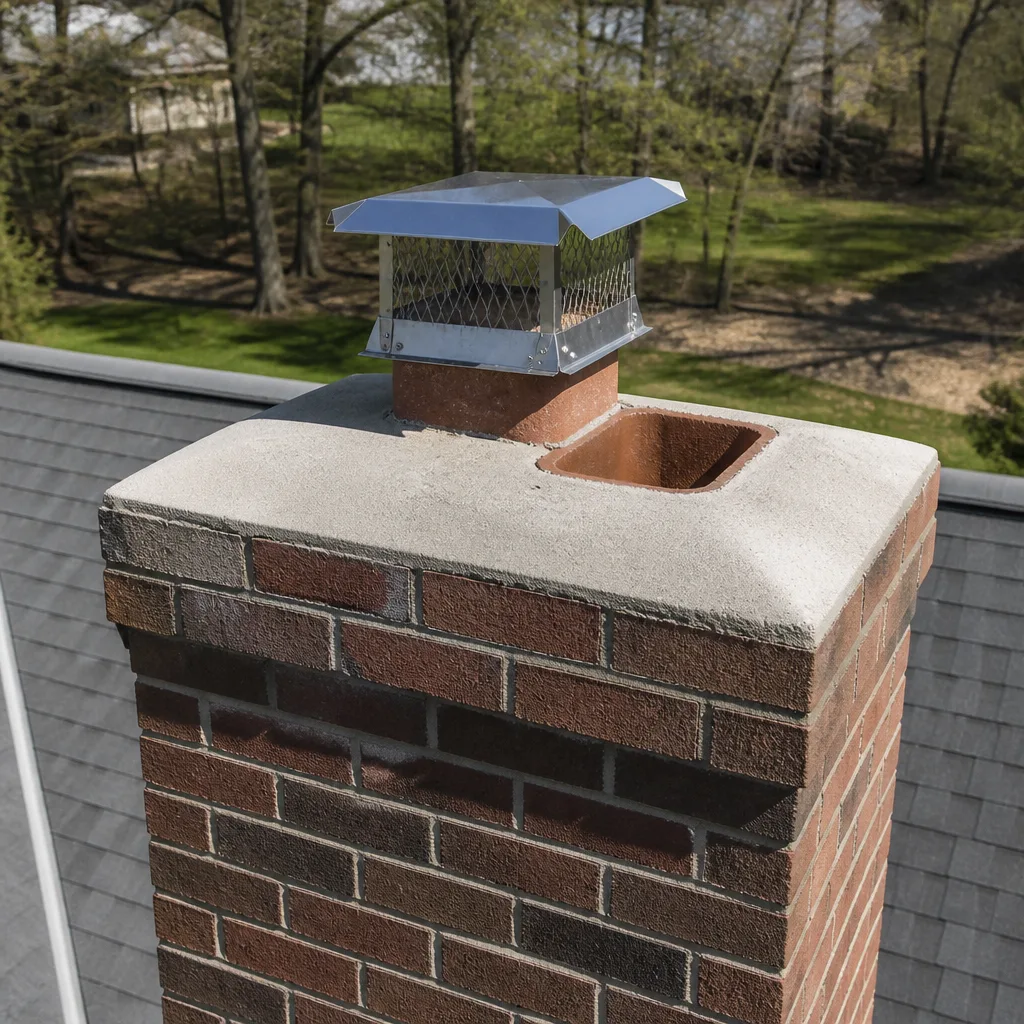 Sweep & inspection
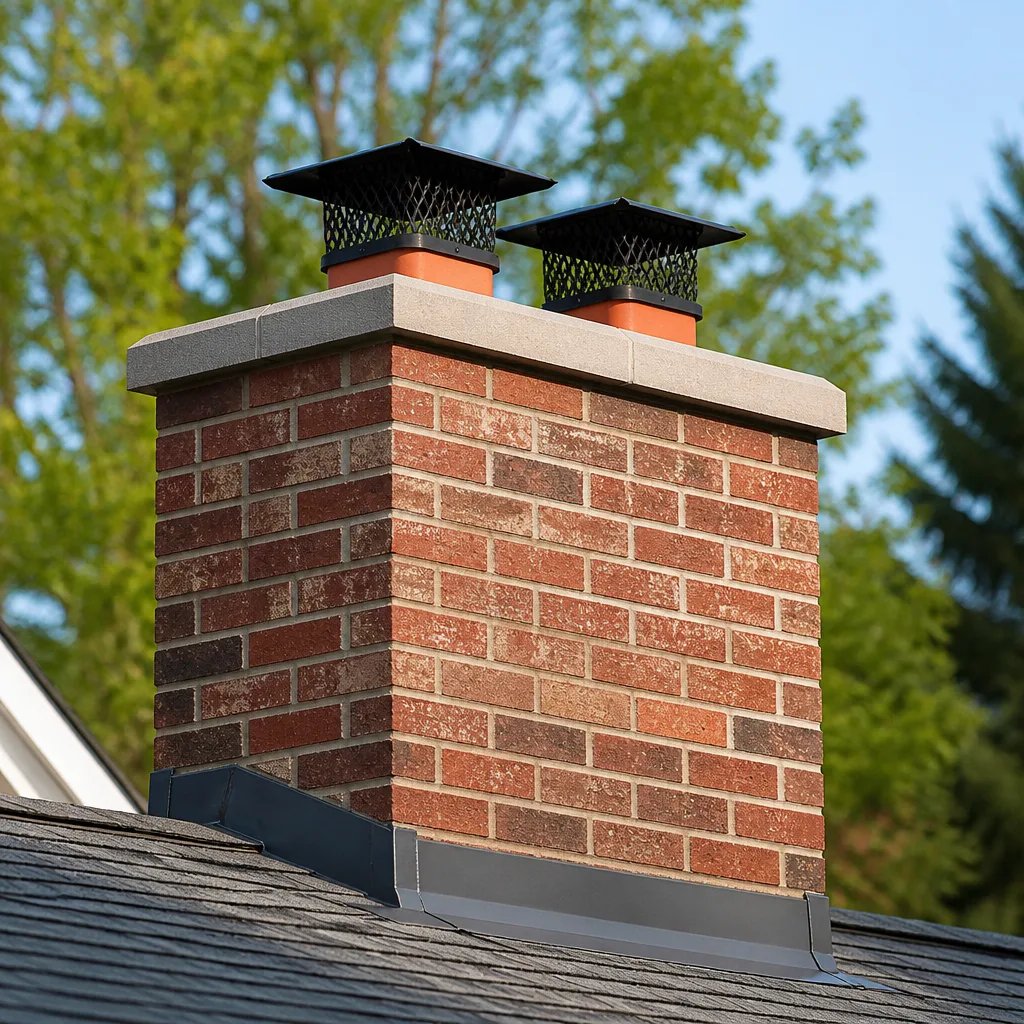 Caps & crowns
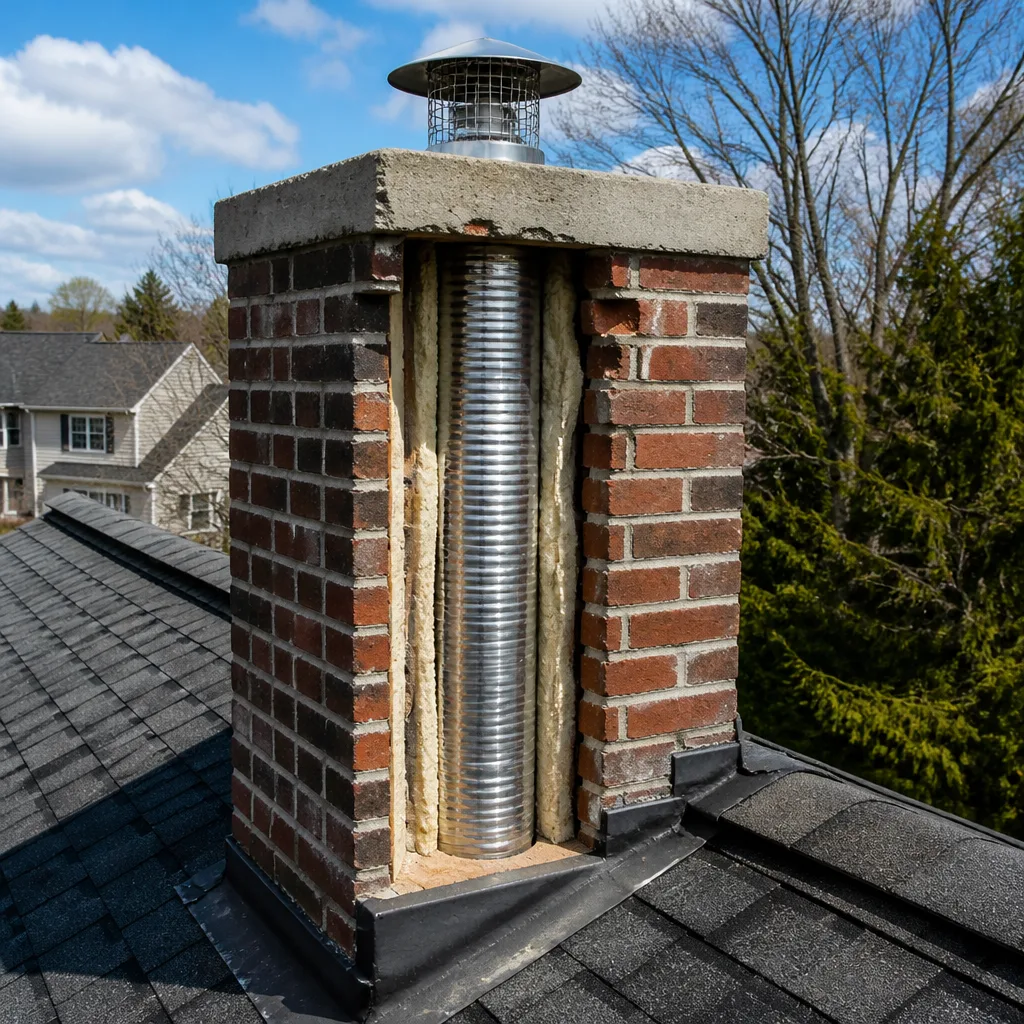 Flue relining
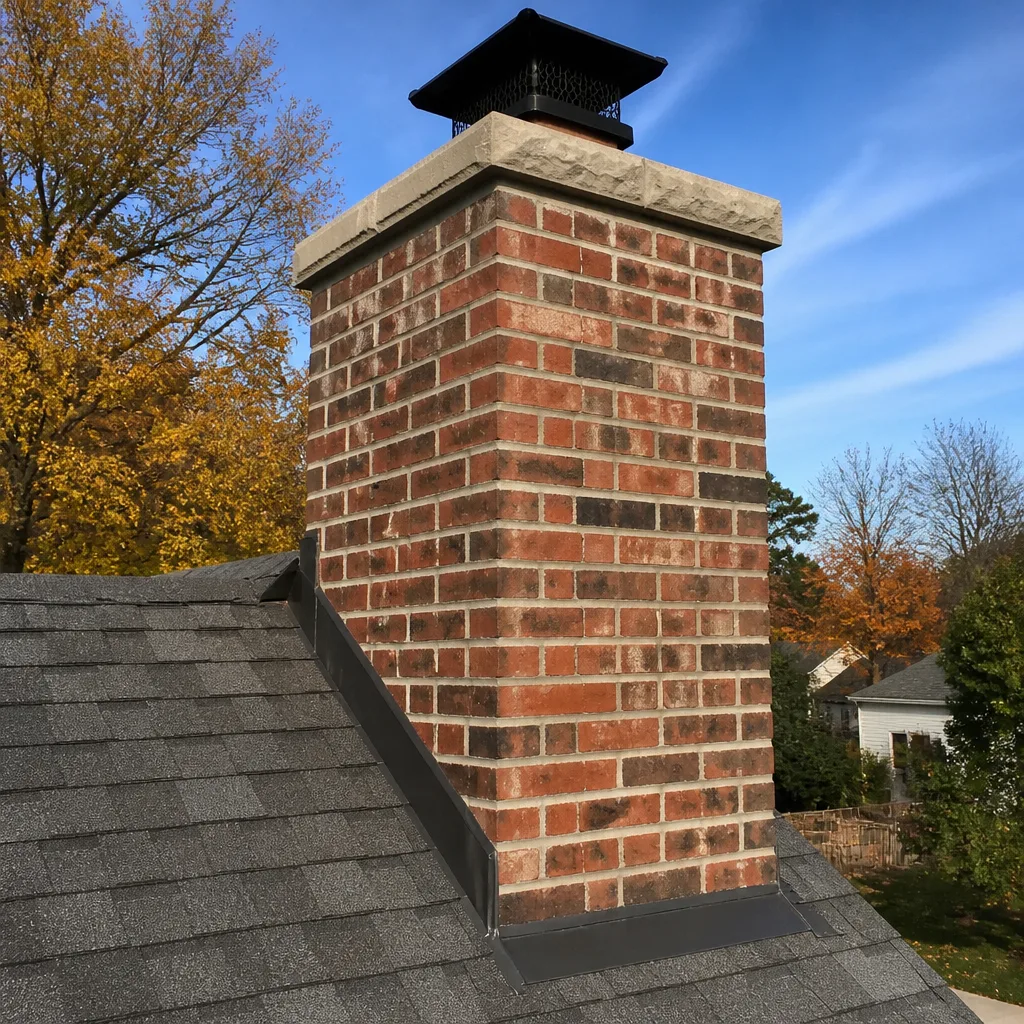 Masonry repair
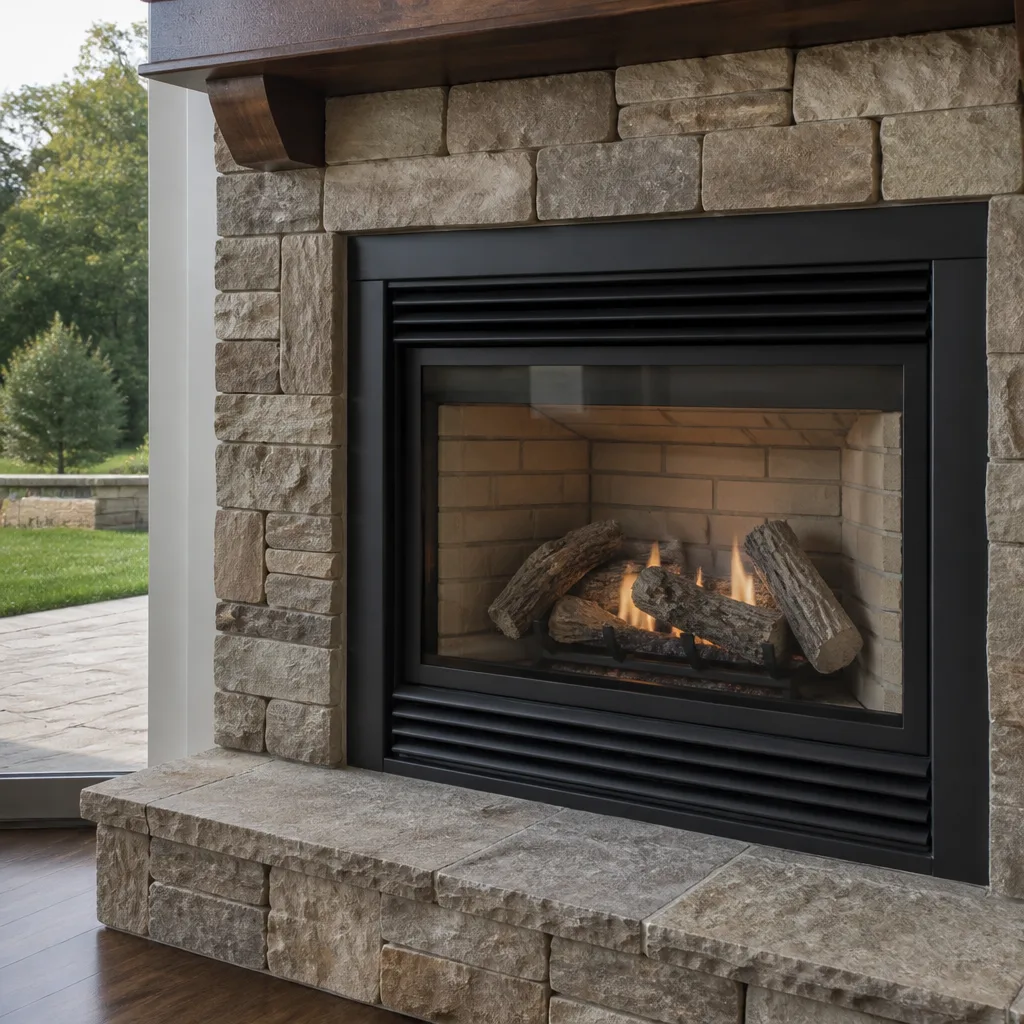 Gas fireplace service
Level 1 sweep and inspection to the NFPA 211 annual standard - flue, crown, cap, and flashing checked and photographed
Chimney sweep logs do not sweep chimneys. They loosen some creosote - which then falls where a brush and vacuum still have to collect it.
How to Hire a Chimney Cleaning Contractor in College Station: A Step-by-Step Guide
In Texas, there’s no state license required to call yourself a chimney sweep. That single fact changes how you should hire. In licensed states, a piece of paper does some of the filtering for you. Here, the vetting you do before anyone walks through the door is the only quality filter standing between your family and a technician who learned the trade on YouTube last month. The College Station market makes this harder: you’re sorting legitimate specialists from general handymen who sweep on the side and out-of-area operators who don’t know local construction. This guide gives you the questions, credentials, and job-site behaviors that separate a repair-capable specialist from someone with a brush and a shop vac.
Quick Answer
To hire a chimney cleaning contractor in College Station, verify CSIA certification independently through the CSIA directory, ask whether the company performs repairs in-house or only recommends them, demand a written scope of work before the job starts, and insist on a documented inspection report that follows NFPA 211 standards. Expect a chimney sweep in College Station to cost roughly $150 to $350 depending on the flue configuration and access. The cheapest quote and the most competent contractor are rarely the same person.
Styles & brands we work with
- Sweep & inspection
- Caps & crowns
- Flue relining
- Masonry repair
- Gas fireplace service
Table of Contents
- Why Texas Has No Chimney Sweep License (And What That Means)
- What CSIA Certification Actually Means and How to Verify It
- The Five Questions to Ask Before Scheduling
- How to Read a Chimney Inspection Report
- Why a Written Scope of Work Protects You
- Local Red Flags: Fly-by-Night Operations in College Station
- Repair Capability vs. Referral: Why It Matters
- The Overlooked System: Dryer Vent Safety
Why Texas Has No Chimney Sweep License (And What That Means for You)
Texas does not license chimney sweeps. There’s no state board issuing chimney credentials, no exam, no continuing education requirement, no enforcement arm. Anyone with a ladder, a brush, and a business card can advertise chimney cleaning in College Station tomorrow morning. That’s the reality you’re working with.
It doesn’t mean every sweep in town is unqualified. It means the burden of verification sits with you, and the vetting you do is the entire quality filter. Compare this to electricians or plumbers, where a state license number gives you a starting point. With chimney work, you need a different anchor.
That anchor is national certification. The Chimney Safety Institute of America (CSIA) is the recognized credential body for this trade. It’s voluntary, which is exactly why it means something: a sweep who pursued CSIA certification did so because they take the work seriously, not because a state inspector made them.
What should you actually filter for in a market with no licensing? These three signals:
- CSIA certification – verified independently, not just claimed on a website or truck.
- Repair capability in-house – meaning the company can fix what it finds, not just clean and hand you a referral.
- A documented report after every visit – a written record with photos, not a verbal “looks good.”
Those three signals do more filtering than any license ever could. In our experience working on College Station chimney systems, the contractors who clear all three are the ones who show up prepared, explain what they find, and stand behind the work.
What CSIA Certification Actually Means and How to Verify It
CSIA certification means the sweep passed a standardized exam covering chimney and venting systems, codes, and safety practices, and agreed to the CSIA Code of Ethics. It’s not a weekend certificate. It requires study, an exam pass, and ongoing commitment to the trade’s standards.
What it does not mean: that the sweep is licensed by Texas (there’s no such license), or that every technician on the crew is certified. Certification is typically held by an individual or by the company through a certified technician. Ask specifically who is certified and whether that person will be on your job.
Verifying it takes three minutes. Here’s the process:
- Go to the CSIA website directly. Don’t rely on a link the contractor sends you.
- Search the CSIA directory by company name or by zip code for College Station.
- Confirm the company or technician appears in the current listings.
- Ask the scheduler which certified technician will perform your sweep.
- When the technician arrives, ask to see their CSIA card or credential.
Anyone who hesitates on that last step is telling you something. Some companies use “certified” as shorthand that means nothing specific. The directory is public, and a legitimate certified sweep will be glad you checked.
CSIA certification is also a signal of continuing education. Chimney systems, venting codes, and material standards change. A certified sweep is keeping up with them. A sweep who learned the trade on the job and never pursued certification might be competent, but you have no independent way to know.
Beyond certification, look for membership in the National Chimney Sweep Guild (NCSG). It’s not mandatory, but it reflects a commitment to the trade community and its standards. When you’re choosing among several College Station chimney cleaning contractors, these professional affiliations give you objective checkpoints instead of marketing claims.
The Five Questions to Ask Before Scheduling
The conversation before you book tells you almost as much as the visit itself. These five questions reveal whether a contractor is a repair-capable specialist or a sweep who cleans and upsells referrals.
1. “Do you perform chimney repairs in-house, or do you refer them out?”
This is the most important question. A company that cleans and then refers you to someone else for a cracked crown or a failing liner adds a layer, a markup, and a second contractor who may have a different diagnosis. A company that handles both means one accountable specialist from sweep through repair. We handle both, and it’s why we stock professional-grade materials from suppliers like Gelco and Olympia Chimney rather than handing off repair work to a third party.
2. “What does your inspection report include?”
A vague answer is a red flag. The report should document what was inspected, what was found, photos or video of problem areas, and recommendations with the specific condition driving each one.
3. “Will I get a written scope of work before the job starts?”
This one protects your wallet. We’ll come back to it.
4. “How do you handle a chimney that needs repair found during the sweep?”
Listen for whether the answer involves a diagnosis and a quote, or an immediate pressure to approve work on the spot. A professional will show you the evidence and let you decide.
5. “What brands and materials do you install?”
Professional-grade chimney materials come from established suppliers. If the answer involves generic hardware-store components, the repair will not last as long as one built from purpose-made chimney products. We work with Famco and Copperfield products, among others, because the materials matter for safety and longevity.
Ask all five before booking. The answers will sort your options fast.
How to Read a Chimney Inspection Report
An NFPA 211-compliant inspection report is not a summary that says “chimney looks fine.” It’s a document you can act on. The National Fire Protection Association standard 211 sets the baseline for chimney, fireplace, and venting inspections, and a report that follows it includes specific, verifiable information.
Here’s what a proper report must contain:
- Access and inspection level – whether the inspection was Level 1 (readily accessible portions), Level 2 (includes video scanning of the flue interior), or Level 3 (diagnostic, may involve opening construction).
- Flue interior condition – documented by camera scan for a Level 2, not just a visual look from the top.
- Creosote presence and stage – Stage 1, 2, or 3, with location noted.
- Chimney crown and cap condition – cracking, spalling, missing cap or spark arrestor.
- Flashing and chase cover – evidence of water intrusion.
- Firebox and damper – condition and function.
- Clearances to combustibles – any compromised clearance is a fire risk.
- Photos or video of every finding – so you can see what the inspector saw.
A vague summary leaves you with nothing actionable. You can’t verify what you can’t see. A report you can’t verify is one where you’re trusting the seller’s diagnosis with no way to check it.
When a report recommends repair, it should connect each recommendation to a specific finding. “Liner replacement recommended” with no supporting evidence is a sales pitch. “Liner shows two cracked tiles at the 10-foot level, visible in the attached scan” is a diagnosis. Ask for the distinction, and don’t approve work you can’t see the reason for.
At Saddle Chimney Sweep, camera inspection with a photo report is part of the service, and we walk you through what we found. If a repair can wait, we’ll tell you that too. The written estimate is final, and it’s based on what the report actually shows.
Why a Written Scope of Work Protects You
A written scope of work before the job starts is your protection against price changes on the day of service. Without one, the quote you got on the phone and the bill you pay can be two different numbers, with no record to hold anyone to.
A proper scope of work is specific. It includes:
- Exactly what will be done – “sweep flue, inspect with camera, document findings” is specific. “Chimney cleaning” is not.
- What it will cost – a flat number or a range, and what changes it.
- Who does the work – the certified technician’s name or the company, and whether subcontractors are involved.
- What happens if repairs are found – the process for a quote and your approval, and that no repair starts without one.
The day-of-upsell is the most common complaint pattern in this trade. A low advertised price gets someone in the door, and a “discovered problem” turns a $99 sweep into a $3,000 repair. Some of those discoveries are real. But without a written scope and photographic evidence, you have no way to tell a genuine finding from a sales tactic.
A written scope does not prevent legitimate repair recommendations. It just means those recommendations come with evidence and your approval, not a verbal urgent warning.
When you compare College Station chimney sweep quotes, compare scopes, not just prices. A $150 quote with a vague scope and a $250 quote with a detailed one are not the same product. The written estimate sets the final price, and you should have it in hand before anyone starts work.
Local Red Flags: Fly-by-Night Operations in College Station
College Station’s student population and housing turnover create a seasonal market for chimney services. Tenant turnarounds, late-fall move-ins, and first-time homeowners all generate demand, and that demand attracts operators who show up for a season and disappear.
What do their quotes look like compared to established contractors? A few patterns:
- Suspiciously low opening price – a door-hanger or flyer rate well below the College Station market, with no scope attached.
- No local address or verifiable business – a phone number and email only, no way to confirm anyone is accountable.
- Urgency pressure – a claim that a dangerous problem exists and must be fixed right now, without documented evidence.
- No CSIA directory presence – nothing to verify when you search.
- Cash-only, no written quote – no paper trail, no recourse.
- Vague credential language – “licensed, bonded, and certified” with no specifics, because in Texas there’s often nothing behind those words for this trade.
Established contractors look different. They have a verifiable presence in the community, their credentials check out, and they give you a written estimate with a clear scope. They don’t need to pressure you because their work speaks for itself.
The seasonal warning is especially relevant in College Station. Before the first cold snap drives everyone to book a sweep, the good contractors fill their schedules. The operators who are still cold-calling in January are usually the ones who didn’t get booked in October because their work didn’t earn repeat business. Book early, vet carefully, and treat a knock on the door with the same scrutiny as any other quote.
Repair Capability vs. Referral: Why It Matters
A chimney sweep who only cleans is a sweep who hands you a list of problems and a list of people to call about them. That model has real costs: you pay for a second service call, you get a second diagnosis that may not match the first, and you take on the job of coordinating two contractors who don’t talk to each other.
When the company you hired for cleaning also handles repair, the handoff is internal. The technician who found the cracked crown is the one who quotes the fix, and there’s no gap between what was found and what gets addressed.
What does repair work actually cover on a chimney? The major items:
- Relining – a new stainless liner when the existing flue has failed, using professional-grade systems from suppliers like Olympia Chimney.
- Crown repair or rebuild – the crown at the top of the chimney is the first defense against water intrusion.
- Cap and spark arrestor installation – keeps out animals, rain, and sparks.
- Flashing repair – the seal where the chimney meets the roof, a common leak source.
- Firebox and damper repair – the interior firebox and the damper that controls airflow.
- Saddle (cricket) repair – the peaked structure on the roof side of the chimney that sheds water around it.
That last item is where our name comes from. The saddle, or cricket, is a real chimney structure, and a damaged one is a common source of water intrusion in College Station homes. A contractor who knows that term and can explain its condition is speaking the language of the trade, not reciting a brochure.
When you ask the five questions, listen to how the contractor answers the in-house repair question. A vague “we can handle that” without specifics about materials and methods is weaker than a specific answer about brands, access, and process. The repair-capable model saves you time, money, and the risk of two diagnoses that don’t agree.
The Overlooked System: Dryer Vent Safety
Dryer vent cleaning isn’t chimney work, but it’s fire-safety work, and it’s often more overdue than the chimney. Lint buildup in a dryer vent is a leading cause of household fires, and it’s easily missed because the vent is out of sight.
A dryer vent shares the same fire-safety logic as the chimney: a byproduct of combustion or heat, accumulating in a confined pathway, blocking airflow and building toward a hazard. Clogged dryer vents cause dryers to overheat, work harder, and in worst cases ignite lint. Most people never think about the vent until the dryer stops drying efficiently.
When you’re hiring for chimney service, consider the full picture. A company that handles chimney sweeping, chimney repair, and dryer vent cleaning under one roof means one accountable specialist for the fire-safety systems in your home. If you’re in College Station and haven’t had the dryer vent inspected, it’s worth asking about during the same visit.
The detection question is simple: if a contractor only cleans and never inspects the dryer vent or other venting, they’re doing half the job. We handle both because the safety mission doesn’t stop at the firebox.
Common Mistakes to Avoid
- Taking “certified” at face value. In a state with no chimney license, some contractors use the word loosely. Verify CSIA certification through the directory yourself, and confirm which technician is certified. A three-minute search prevents a bad hiring decision.
- Hiring a sweep who can’t repair. A sweep-only contractor finds problems and hands you a referral list. You end up paying two service calls and coordinating two diagnoses. Ask the in-house repair question first.
- Accepting a verbal quote. Without a written scope of work, the price can change once the technician is on site. Get it in writing, with a clear description of the work and the flat price.
- Skipping the report review. A chimney inspection report you don’t read is a report you can’t verify. Ask for the photos or video, ask what each finding means, and ask whether a repair can safely wait.
- Booking late in the season. College Station’s fall rush fills good contractors’ calendars. Waiting until the first cold snap limits your options to whoever is still available, which is rarely the most qualified.
- Choosing on price alone. The lowest quote and the most competent contractor are rarely the same. A $99 door-hanger rate and a $250 written estimate with a thorough report are not comparable products.
- Ignoring the dryer vent. A chimney sweep who never looks at the dryer vent is doing half the fire-safety job. Ask about it during the same appointment.
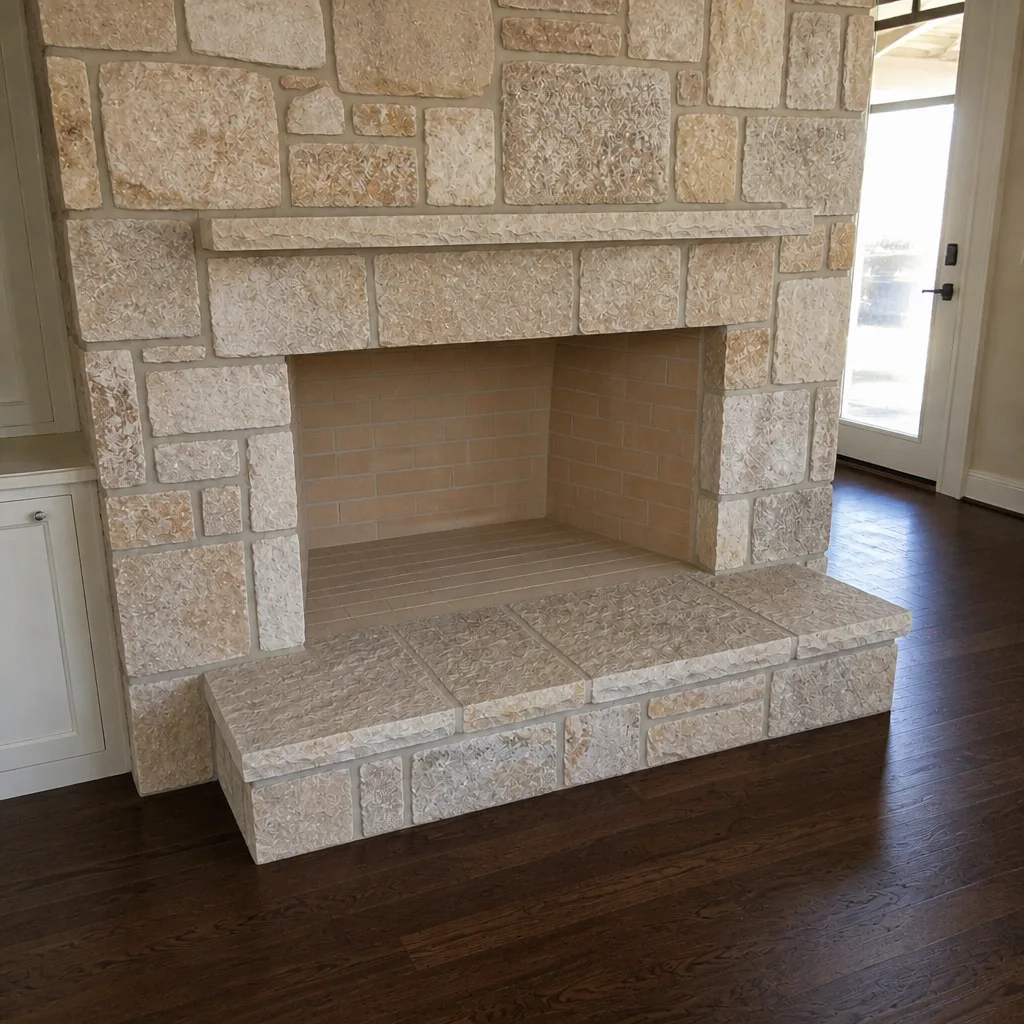
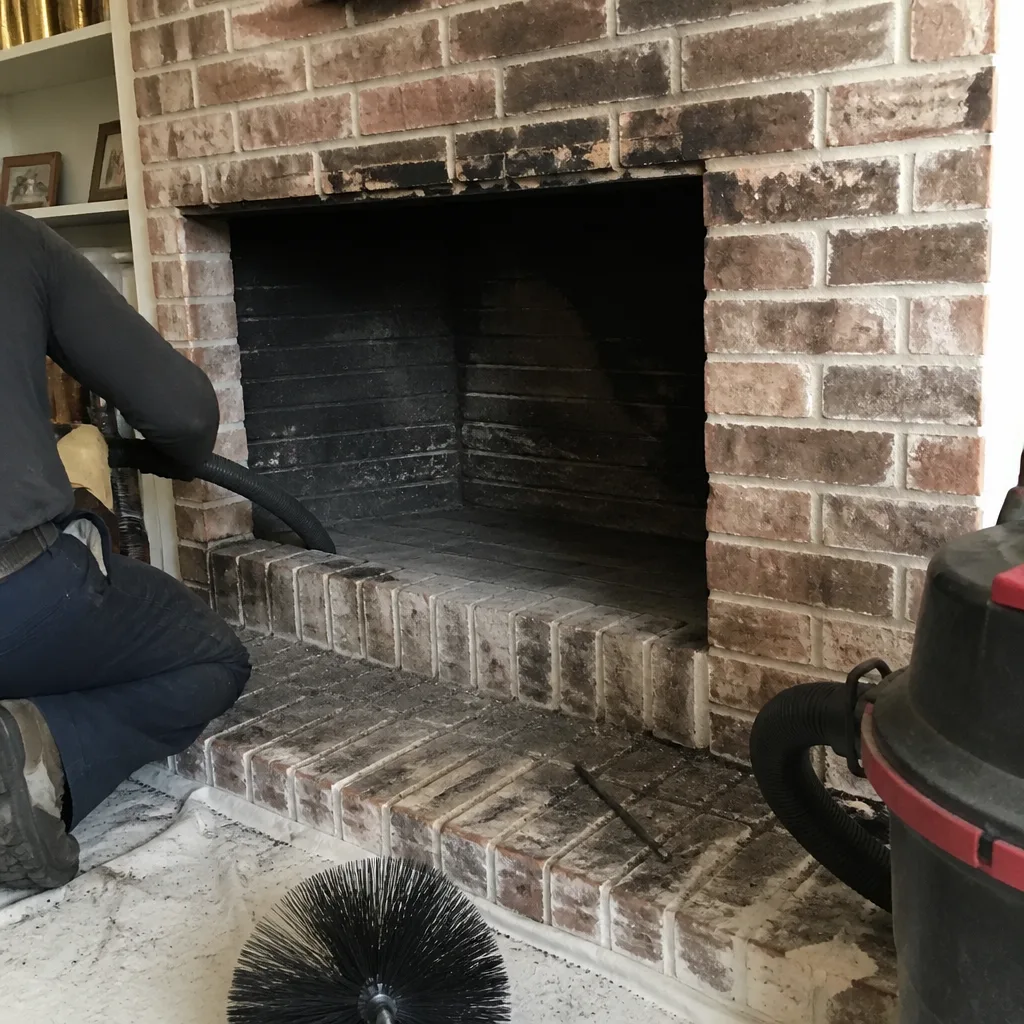
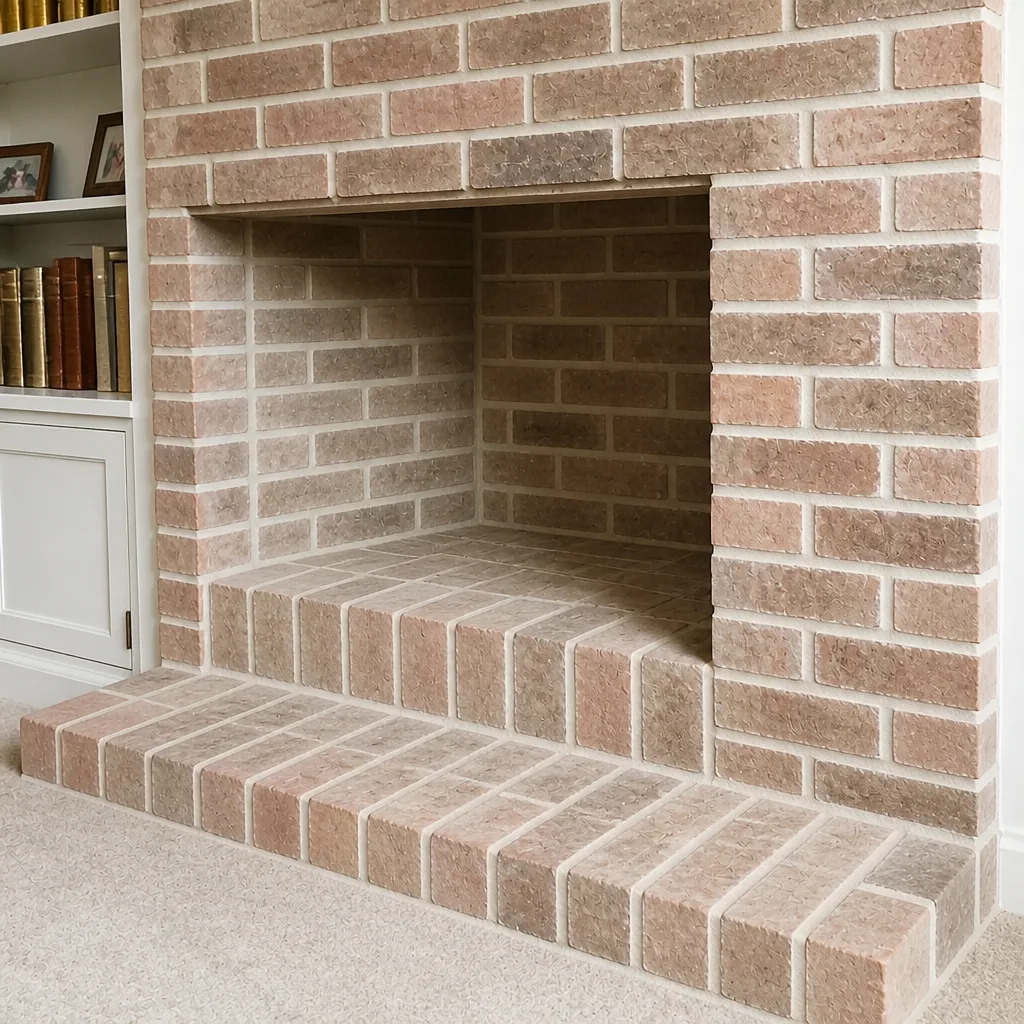
See the difference
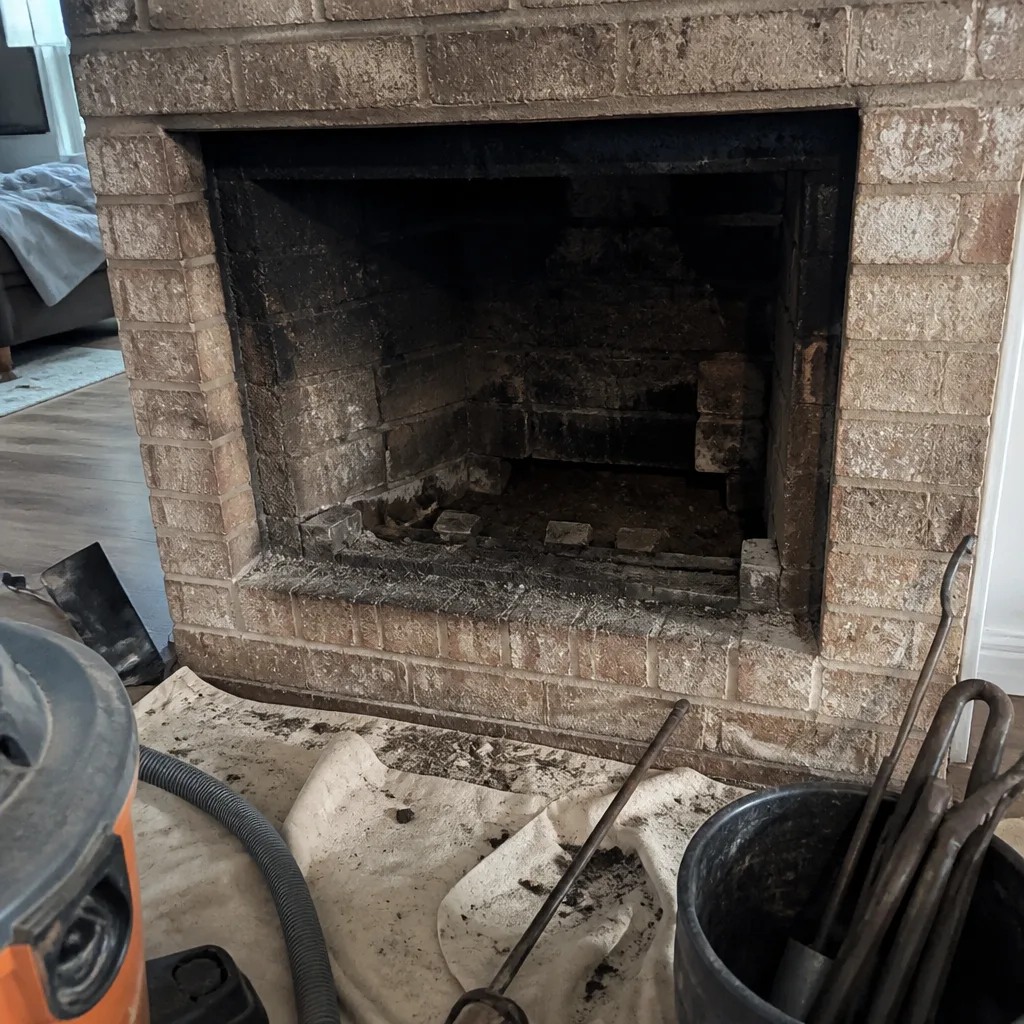 Before
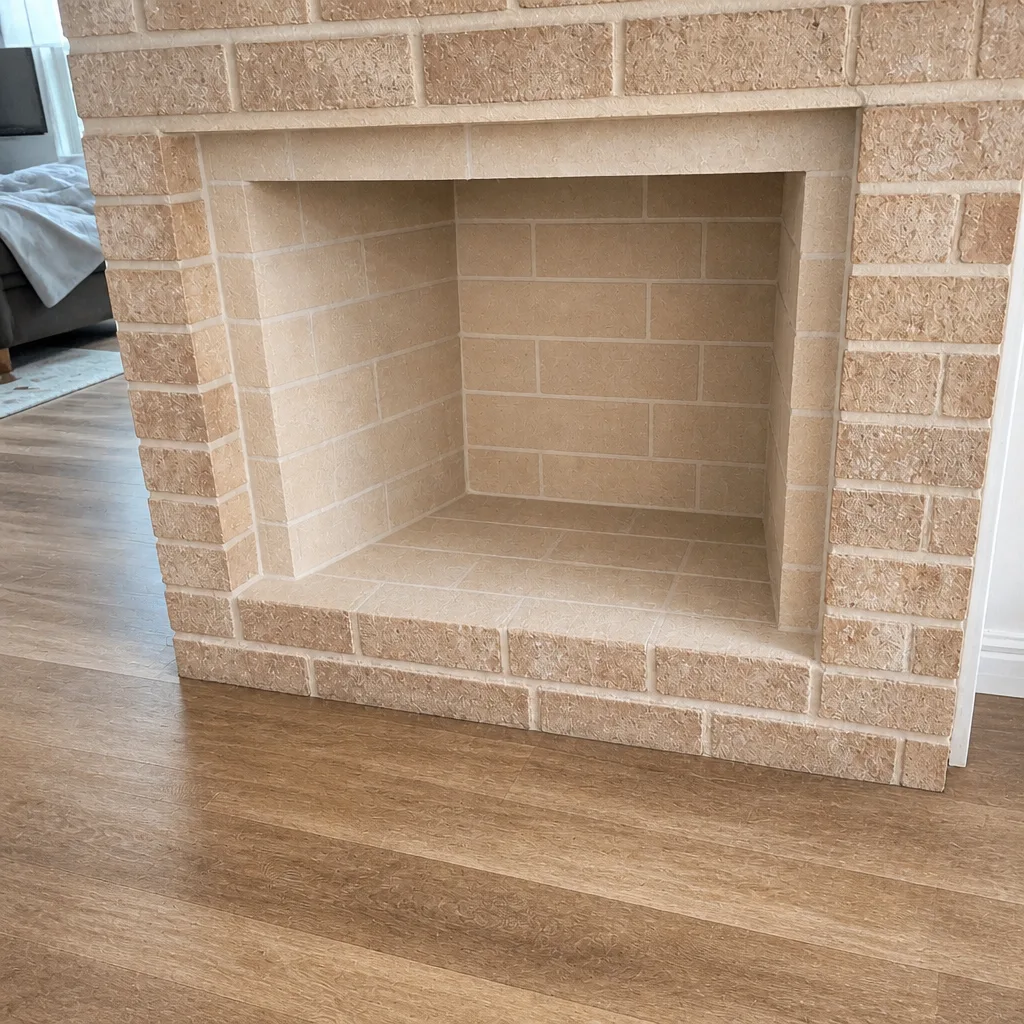 After
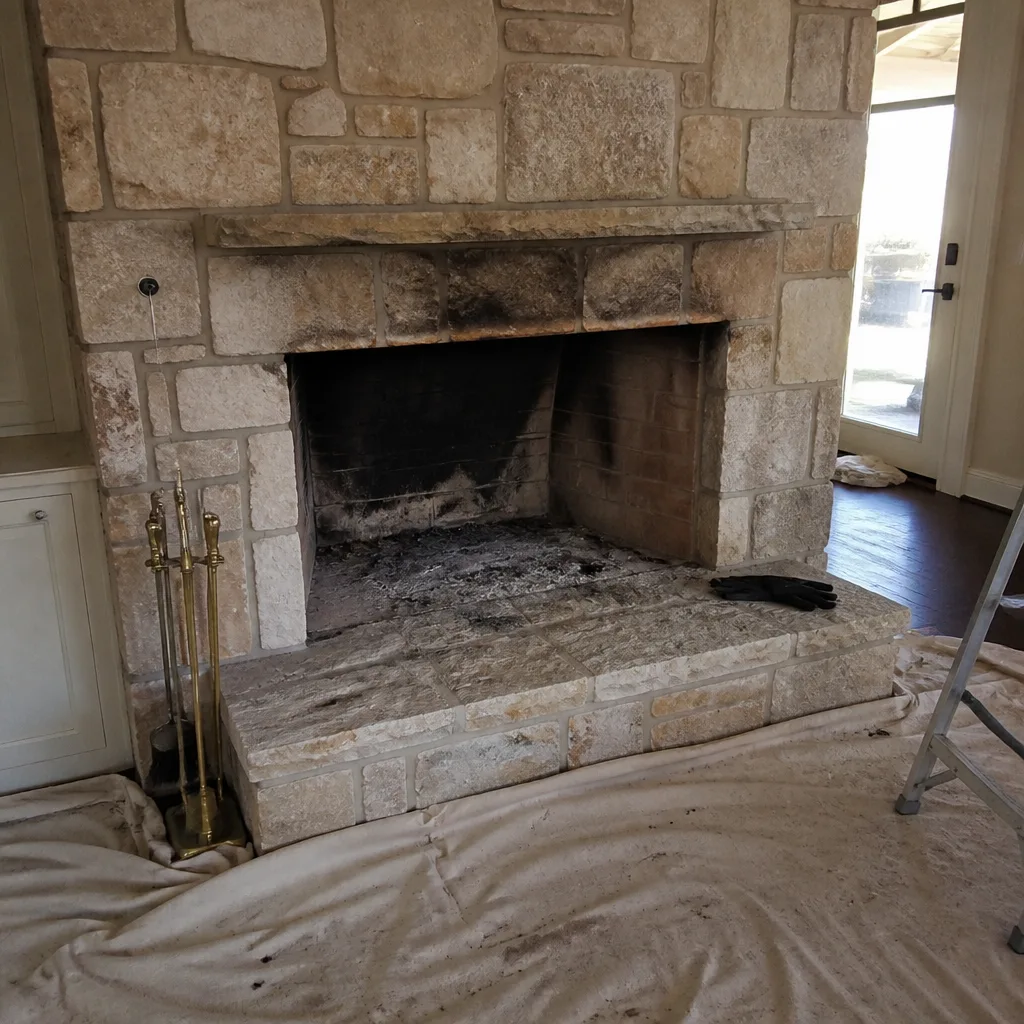 Before
 After
 Before
 After
When to Call a Professional
Some chimney issues are obvious. Creosote buildup to the point of poor draft, a cracked crown, visible water staining on the ceiling near the chimney, or a firebox that’s crumbling all warrant a professional visit. But many problems are invisible from the ground, which is why annual inspection matters even when nothing seems wrong.
Call a professional in any of these situations: you’ve burned more than a cord of wood since the last sweep, you’ve moved into a home in College Station and don’t know when the chimney was last serviced, you smell smoke inside when the fireplace isn’t in use, you notice soot on the mantel or a draft that doesn’t behave like it should, or your dryer is taking longer than usual to dry a load.
A chimney fire can smolder quietly for hours before turning dangerous, and carbon monoxide from a blocked flue has no smell. These are not problems to solve with a flashlight and a shop vac. They need a trained sweep with a camera and the knowledge to interpret what it shows. Saddle Chimney Sweep offers free estimates in College Station. Call (844) 538-0969. We answer 24/7. Fast dispatch from 7am to 7pm, Sunday through Friday.
Frequently Asked Questions
A chimney sweep in College Station typically costs $150 to $350, depending on flue configuration, access, and whether the chimney needs more than a standard cleaning. The written estimate sets the final price, and you should have it before work begins. Call (844) 538-0969 for an exact quote; estimates are free.
Only if the camera and inspection report show the existing liner has failed, and you can see the evidence yourself. A clay tile liner with cracks or gaps, or a liner that’s too small for the appliance, can let heat or gases reach the structure around it, and that’s a condition that requires repair, not a recommendation to take on faith. If the report shows a sound liner, ask for the reason behind any new-liner suggestion. Call (844) 538-0969 and we’ll walk you through what the inspection shows before you decide.
Sweep a chimney at least once a year, and more often if you burn heavily. The NFPA recommends annual inspection, and most sweeps will tell you to clean when creosote reaches about 1/8 inch of buildup. Homes that burn more than a cord of wood a season often need a mid-season sweep as well. Call (844) 538-0969 if it’s been more than a year.
Creosote, the residue from wood smoke, builds up in stages, with Stage 3 being a hardened, flammable deposit that can fuel a chimney fire. A blocked or partially blocked flue can also send carbon monoxide back into the home instead of venting it outside. A sweep removes creosote and checks the flue for blockage, and an inspection report gives you a written record of the condition so you know what to address. Call (844) 538-0969 to book a sweep before the season.
No. We’re closed Saturday and open Sunday through Friday, 7am to 7pm. If you need to schedule, call (844) 538-0969. We answer 24/7, and a call outside dispatch hours is booked into the next opening, Sunday through Friday, 7am to 7pm.
Verify CSIA certification through the CSIA directory, ask whether the company does repairs in-house, and require a written scope of work before the job. Ask what the inspection report includes and whether you’ll get photos or video of any findings. In a state with no chimney license, these checks do the filtering for you. Call (844) 538-0969 to get a free estimate from Saddle Chimney Sweep.
The Bottom Line
In College Station, no state license protects you in this trade, so your vetting does the work. Verify CSIA certification yourself, confirm the contractor handles repairs in-house rather than referring them, demand a written scope of work, and insist on an inspection report with photos you can see. Those four filters separate a repair-capable specialist from a brush-and-vac operator.
Our technicians have up to 14 years of experience, and we stock and install professional-grade materials from suppliers like Gelco, Olympia Chimney, Famco, and Copperfield. We handle chimney sweeping, chimney repair, and dryer vent cleaning under one roof, so a problem found during a sweep gets a diagnosis and a fix without a second contractor. Straightforward assessment, honest repair options, professional materials. Call (844) 538-0969 for a free estimate.
If you’ve got a chimney that needs attention or a dryer vent that’s overdue, reach out. We answer 24/7. Fast dispatch from 7am to 7pm, Sunday through Friday. You’ll get a written estimate, a clear explanation of what we found, and a straight answer on what can wait.
Written by the team at Saddle Chimney Sweep.