
Last updated November 15, 2026
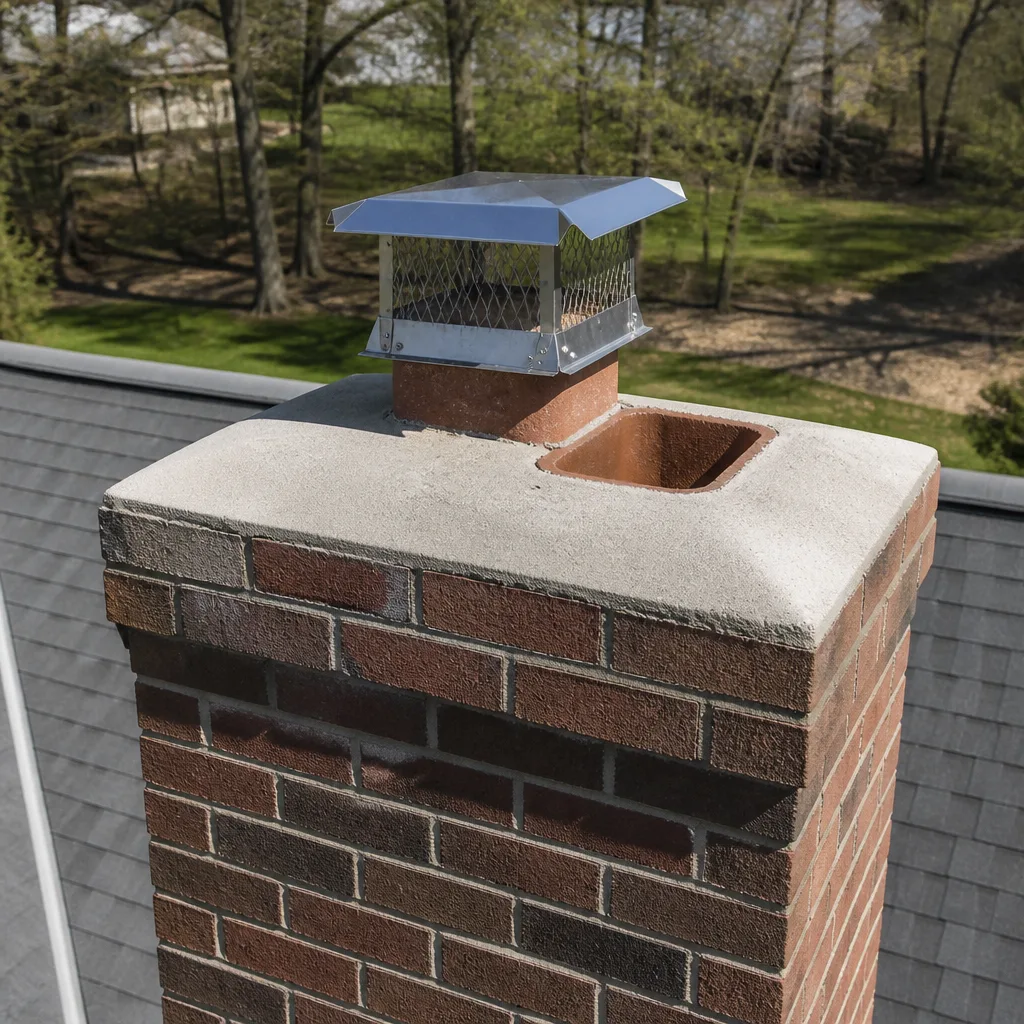 Sweep & inspection
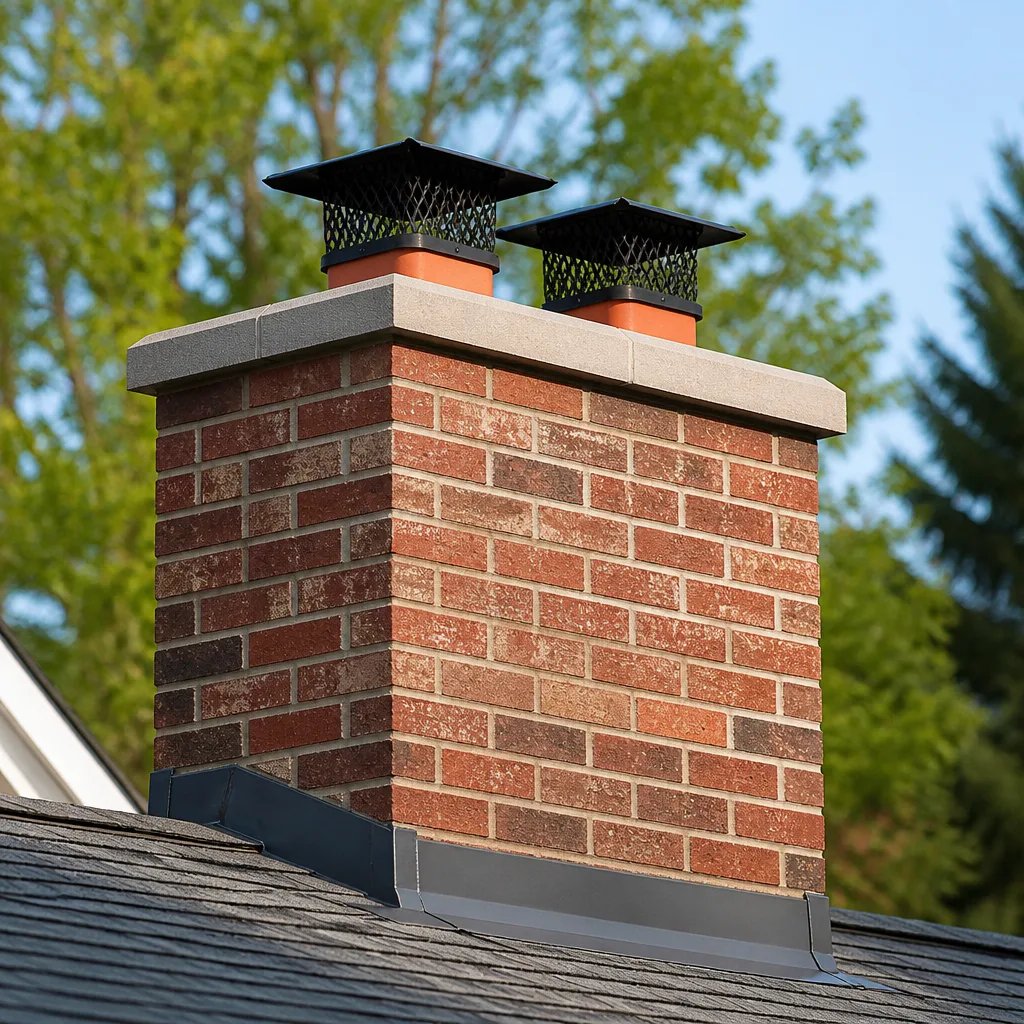 Caps & crowns
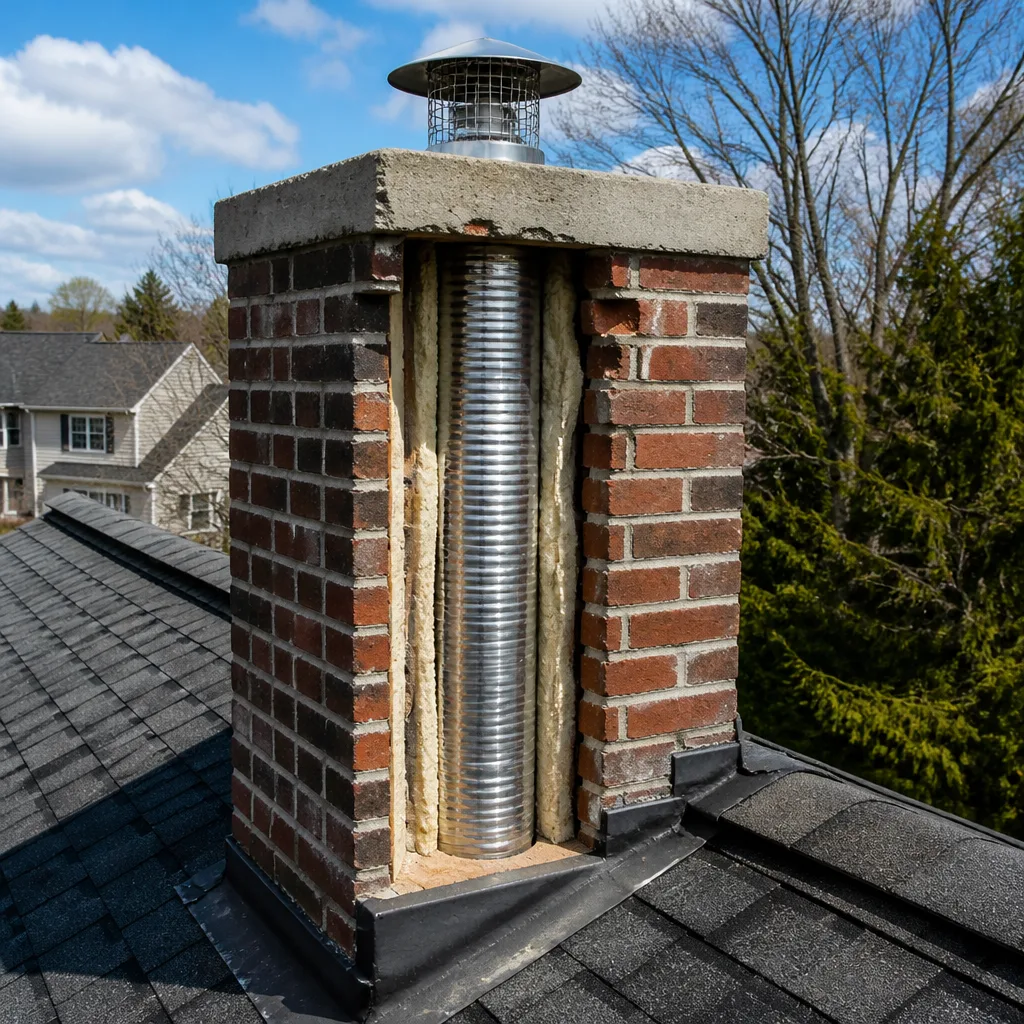 Flue relining
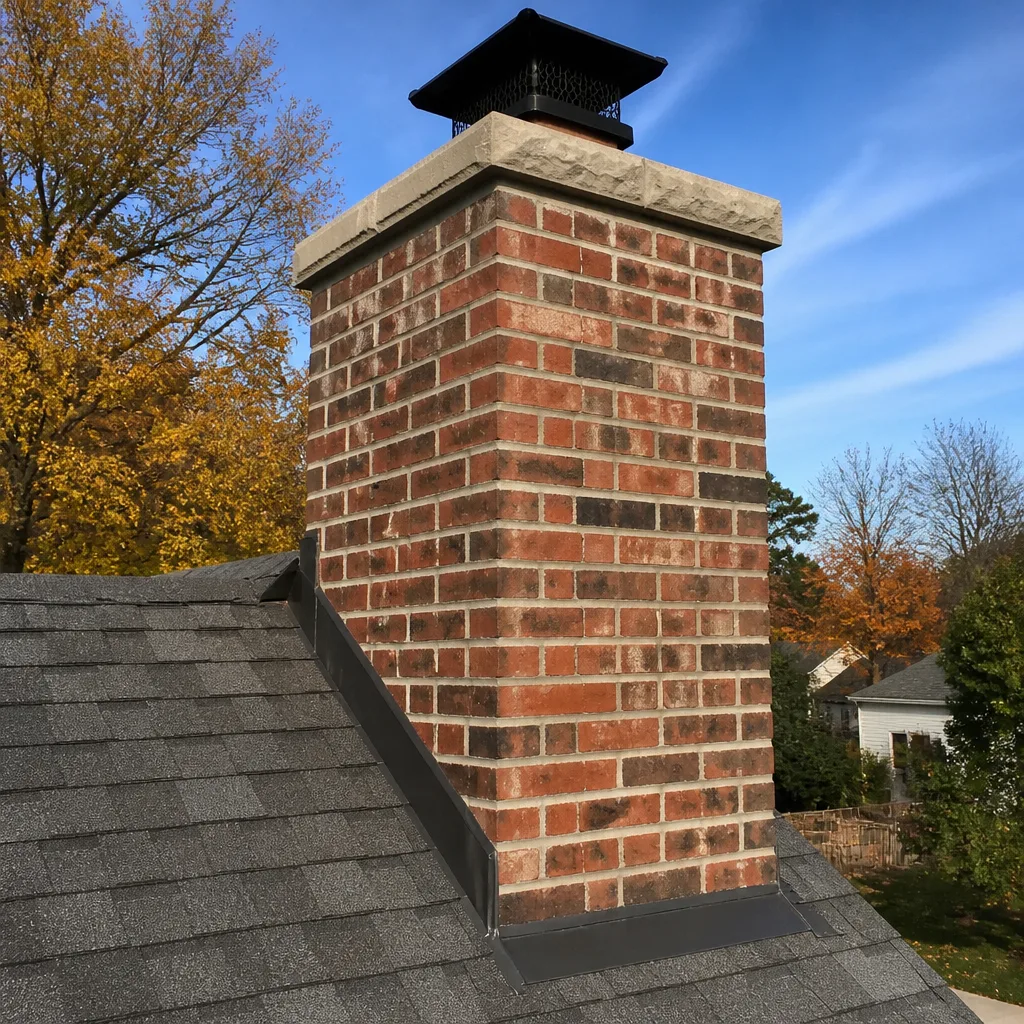 Masonry repair
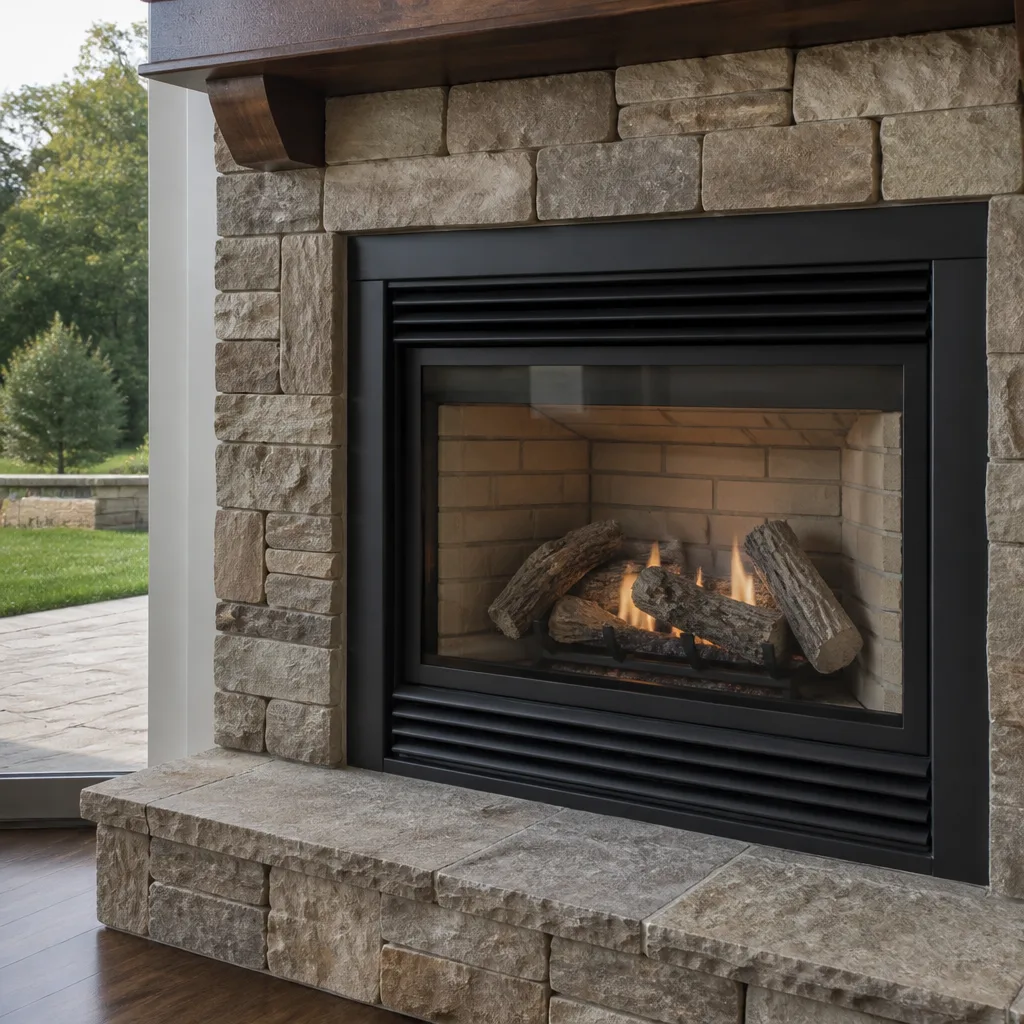 Gas fireplace service
Level 1 sweep and inspection to the NFPA 211 annual standard - flue, crown, cap, and flashing checked and photographed
Chimney sweep logs do not sweep chimneys. They loosen some creosote - which then falls where a brush and vacuum still have to collect it.
Chimney Cleaning Cost Breakdown: The College Station Homeowner’s Reference for 2026
A $79 chimney sweep coupon and a $350 full-system cleaning quote can both be fair prices. That sounds like a contradiction until you understand that they describe two different jobs. Most homeowners have no framework for telling which one their chimney actually needs, and that gap is exactly how a low-ball offer turns into an upsell on the day of service. In this guide, we break down what drives chimney cleaning cost in College Station, from the baseline sweep to liner camera inspection to heavy creosote removal, so you can read a quote intelligently instead of defaulting to the smallest number on the page.
Quick Answer
A standard chimney sweep in College Station typically runs $150 to $300 depending on the chimney’s condition, access, and whether the technician can reach the flue from the roof or through the firebox. Add-ons like a liner camera inspection, heavy creosote removal, or animal debris extraction push the total higher, usually into the $300 to $600 range. A written estimate before any work begins is the only number that actually sets your final price.
Styles & brands we work with
- Sweep & inspection
- Caps & crowns
- Flue relining
- Masonry repair
- Gas fireplace service
Table of Contents
- What a Baseline Sweep Covers
- What Actually Drives the Price Up
- Material Costs: Caps, Dampers, and Liners
- How to Read a Multi-Line Estimate
- The Real Cost of Skipping Service
- College Station-Specific Factors
- DIY vs. Professional: What’s Realistic
- Preparing Your Home for a Sweep
What a Baseline Sweep Covers
A baseline sweep is a specific, limited job. It includes brushing the flue from top to bottom, removing soot and creosote from the firebox and smoke chamber, checking the damper for basic operation, and cleaning up with drop cloths and a HEPA vacuum so your living room looks the way it did before the technician arrived. That’s it. A $150 to $300 price is realistic for that scope in College Station, and it’s honest work.
What a baseline sweep does not include is important to name out loud:
- Video camera inspection of the liner interior
- Removal of third-degree (glazed) creosote, which requires chemical treatment before brushing
- Extraction of animal nests, bird debris, or leaves packed into the flue
- Cap, crown, or damper repair or replacement
- Liner assessment or replacement
When a coupon advertises a low sweep price, it’s almost always pricing the first list only. The second list is where the real cost of a chimney job lives, and it’s where a fair quote can climb. We’ve found that the cleanest way to compare contractors is to ask upfront: “Does your baseline price include a camera inspection?” A sweep that skips the camera cannot tell you what’s actually inside the flue, and that’s precisely the information that decides whether work can wait or needs attention this season. Our chimney sweep service includes camera inspection and a photo report so you can see exactly what we see.
One clarification: in College Station, mild winters mean the fireplace often runs intermittently through December and January but sits mostly idle the rest of the year. That doesn’t reduce creosote buildup. It changes the pattern. Slow, cool, smoldering fires (common when the outdoor temperature barely justifies one) tend to deposit more creosote than a hot burn does. A baseline sweep is still the right annual starting point, even in a climate where the fireplace works less than it might in a colder region.
What Actually Drives the Price Up
Every legitimate cost increase on a chimney job traces back to one of five things: creosote severity, liner condition, access difficulty, debris, or component wear. Understand those five and you can predict roughly where your quote will land before the technician opens the door.
- Creosote severity. First-degree creosote (light soot) brushes away easily. Second-degree (flakey, crusted) takes more time. Third-degree (glazed, tar-like) requires a chemical sweeping agent applied days ahead of the return visit, and it can double or triple the labor time.
- Liner inspection or repair. A camera inspection runs $75 to $175 as an add-on if it’s not bundled. If the camera reveals a cracked or degraded clay tile liner, a repair or liner replacement becomes a separate conversation with its own price. Do not let this surprise you on the invoice; a quote should separate inspection findings from standard cleaning.
- Access difficulty. A roof with steep pitch, a chimney boxed in by a metal roof, or a stack that can only be reached by ladder-and-harness work costs more than a standard walkable roof. This is honest labor pricing, not padding.
- Animal debris. Bird nests, squirrel debris, and bee hives in the flue add $75 to $250 depending on volume and location. A missing or damaged cap is usually the culprit, and once the debris is out, capping the flue is a sensible follow-up.
- Component replacement. A cap, damper, or crown that’s failed is not a sweep task but often gets discovered during one. We quote it line by line so you can decide what to fix now and what can wait.
The practical takeaway: when a quote comes in much higher than expected, ask the technician to walk you through which of these five drivers applies and show you the camera footage. Any reputable contractor will do that without hesitation.
Material Costs: Caps, Dampers, and Liners
One of the most under-discussed parts of chimney pricing is materials. A chimney cap is a $40 to $60 part at the supply level in the basic stamped-steel version. Professionally fabricated stainless caps from makers like Olympia Chimney or Copperfield run $150 to $400 depending on size and customization. The delta isn’t padding; it’s the difference between a cap that lasts two seasons and one that lasts a decade.
Top-mount dampers, which seal the flue from above when the fireplace isn’t in use, are another common upgrade. A professional-grade top-mount damper installed typically runs $300 to $600. Basic throat dampers are cheaper to replace, but they don’t deliver the same energy savings, and in a College Station summer, that’s worth thinking through.
Liner replacement is the biggest material decision in chimney work. Two main material paths exist:
- Stainless steel flexible liner (DuraFlex is the standard professional-grade option we install): $2,500 to $4,500 installed on a typical single-story chimney.
- Cast-in-place liner repair (HeatShield is the system most often used for this): $1,800 to $3,200, and it works for certain partial liner repairs rather than full replacement.
The key thing to know: at the wholesale level, these materials cost substantially less than what a homeowner is quoted. The quote includes the material, the labor, the removal of the old liner, the insulation wrap, the cap, the crown repair, and the disposal. That’s a real cost, and it’s fine to see it broken out. What’s not fine is a contractor who refuses to itemize or who can’t tell you which brand of liner they’re installing. We install professional-grade materials from DuraFlex, Olympia Chimney, Copperfield, and Famco because the supply chain matters when a homeowner needs a warranty honored years later.
How to Read a Multi-Line Estimate
A multi-line chimney estimate is not a menu; it’s a hierarchy. Read it in three tiers and the whole document becomes much easier to interpret.
Tier 1: Standard scope
These are the line items that apply to almost every job. The sweep itself, disposal of soot, cleanup. These should appear on every estimate with no exceptions.
Tier 2: Conditional on inspection
These are the “if we find it, we’ll quote it” items. Camera inspection findings, glazed creosote treatment, animal debris extraction, and cap replacement are all common examples. A good estimate presents these with the condition clearly stated, not as pre-priced add-ons designed to bump the total.
Tier 3: Optional upgrades
Top-mount dampers, decorative caps, and liner upgrades fall here. These are genuinely optional; if a contractor presents an “optional” item as mandatory, ask why.
At Saddle Chimney Sweep, our estimates always separate the flat-price sweep, agreed in advance, from any conditional findings the technician discovers on-site. You’ll see the sweep price before we book, and you’ll see anything additional in writing with a photo before it goes forward. If a problem can safely wait until next season, we tell you that too.
The other thing to check on a multi-line estimate: whether a ladder fee, disposal fee, or trip charge is hidden in the fine print or rolled into the sweep price. Ask directly. A transparent quote breaks these out.
The Real Cost of Skipping Service
Skipping a chimney sweep doesn’t save the sweep price; it usually shifts cost forward. The question isn’t whether the chimney needs attention, it’s when and how much.
Chimney fire is the biggest cost in the chain. A fire inside the flue typically damages the liner, the smoke chamber, and often the masonry above. The repair bill after a serious chimney fire routinely runs into the thousands, and the homeowner’s insurance may or may not cover it depending on how the fire started and whether maintenance was documented. That’s the honest math. A $150 to $300 annual sweep is cheap insurance against a four-figure repair.
Carbon monoxide is the second risk. A blocked or deteriorated flue can allow combustion gases to vent back into the home. Most homes with wood-burning fireplaces don’t have a CO detector in the living room; a chimney sweep is one of the few services that puts a trained eye on the venting system every year.
For gas inserts and gas appliances, the stakes are also real. Creosote doesn’t accumulate the same way, but the flue can still degrade, and a failed liner on a gas appliance is a genuine carbon monoxide concern. Our technicians treat gas insert inspections with the same seriousness as wood-burning ones.
The dryer vent is the third piece of the fire-safety picture. Lint accumulation in a dryer vent is a leading cause of household fires, and most homeowners never think about it until they notice their dryer taking two cycles to dry a load. dryer vent cleaning is one of the fastest, highest-value safety services a homeowner can schedule, and it’s easy to fold into an annual chimney appointment.
One more thing worth naming: chimney repairs deferred for years compound. A cracked crown that lets water in one season becomes masonry damage the next and liner damage after that. The Mild-Climate Effect in College Station means fewer freeze events than northern states, but the rain here is real, and water intrusion is what degrades chimney masonry over time.
College Station-Specific Factors
Chimney work in College Station has its own quirks, and a homeowner here should understand them before comparing quotes from contractors out of Houston or Austin.
First, housing stock. A lot of College Station homes were built in the 1980s and 1990s with clay tile liners, and those liners are now at or near the end of their service life. A camera inspection on a 30-year-old chimney frequently reveals cracked tiles, offset joints, or gaps at the flue collar. None of that is a reason to panic; it’s a reason to look.
Second, the climate. Winters are mild enough that some homeowners skip the annual sweep, reasoning that they barely used the fireplace. But as noted above, cool, smoldering fires create more creosote per cord of wood than hot burns do. And the summer here is long and humid, which is kind of a chimney’s worst friend: moisture in the masonry, animal activity on the cap, and freeze-thaw is not the problem but rain intrusion very much is.
Third, new construction and open-concept homes. Fireplaces in newer College Station homes are often gas inserts rather than wood-burning, and the venting system is smaller, different, and much easier to overlook. A gas insert still needs annual inspection and cleaning, just on a different schedule than a wood-burning fireplace.
Fourth, the local service market. Chimney work in College Station is a small field. The contractors who show up on time, do the camera work, and quote honestly are the ones who keep getting called back. That’s a good thing for homeowners here, but it also means wait times for a good sweep can be longer than you’d expect. Booking the annual service in the early fall is a practical tip.
Fifth, housing density and access. Some College Station neighborhoods have narrow side-yard access to the chimney box, and others have roofs that require taller ladders or harness work. A quote that assumes easy access will need to be revised on-site. That’s not a scam; it’s a symptom of a contractor who didn’t ask the right questions before quoting. A good chimney contractor asks about roof pitch, chimney location, and fireplace type before quoting.
DIY vs. Professional: What’s Realistic
We’re asked this more than any other question, and the honest answer is nuanced. Some chimney maintenance is genuinely DIY-friendly, and some of it is genuinely dangerous.
What’s reasonable to check yourself
- Visual inspection of the firebox and damper operation from inside the home
- Checking the cap for visible damage, from the ground with binoculars
- Testing smoke draw with a small piece of newspaper before lighting a fire
- Confirming the chimney exterior isn’t missing mortar or brick
What requires a trained professional
- Any roofline work, especially on steep pitches, metal roofs, or chimneys that require ladder-and-harness access
- Actual brushing of the flue (chimney brushes, weighted lines, and the physical space inside a flue are more demanding than they look)
- Camera inspection and diagnosis of liner condition
- Anything involving the gas line, the firebox seams, or the smoke chamber
- Creosote removal beyond first-degree
The safety caveat is real: chimney work involves heights, and it involves the venting of combustion gases. A slipped ladder or a botched DIY sweep is not a small accident. We recommend homeowners call a professional for anything beyond surface-level checking, and we say that without trying to sell a service in the process.
Preparing Your Home for a Sweep
A chimney sweep is faster, cleaner, and cheaper when the homeowner does three things beforehand. None of them are chores; they just save time.
- Clear the firebox and hearth. No ash, no logs, no decorative items on the hearth. The technician needs space to work and to spread drop cloths.
- Move furniture and rugs back three to four feet. Soot is fine, travels, and finds white fabric. A little clearance saves a lot of cleanup.
- Note any smells, drafts, or performance issues. If the fireplace smokes into the room, if you smell creosote, or if the damper sticks, write it down. Those notes go into the diagnosis and can save an extra service call.
It also helps to know where the chimney cap is visible from the ground, if it is, and to have the roof access route clear. If the technician needs to enter through a side yard or garage, clear the path.
Common Mistakes to Avoid
- Booking on price alone. A $79 coupon and a $325 full-system quote can both be honest. The coupon is fine if your chimney is clean and undamaged; it’s not fine if it excludes the camera inspection that would reveal a cracked liner. Ask what’s not included before you book.
- Skipping the sweep because the fireplace “barely got used” this winter. In College Station, cool-weather, smoldering fires deposit creosote just as efficiently as cold-weather ones. Use frequency, not comfort, to decide.
- Assuming the cap is fine because you can see it from the ground. Caps fail from the inside out, and animal intrusion is often invisible until the flue is inspected. What you see from the driveway is not a diagnosis.
- Letting a contractor skip the written estimate. A verbal quote that turns into a higher invoice on the day of service is the single most common homeowner complaint in this trade. A written estimate sets the price.
- Forgetting the dryer vent. A homeowner who books a chimney sweep and forgets the dryer vent misses the second-largest fire risk in the home. Fold it into the same appointment.
- Waiting until the first cold snap to call. The best chimney technicians in College Station book out in the early fall. Scheduling in late summer or early fall gets you a better position on the calendar.
- Trusting a quote without photos. Any contract that recommends liner replacement or masonry work without showing you the camera footage is not a contract you should sign. You have the right to see what we see.
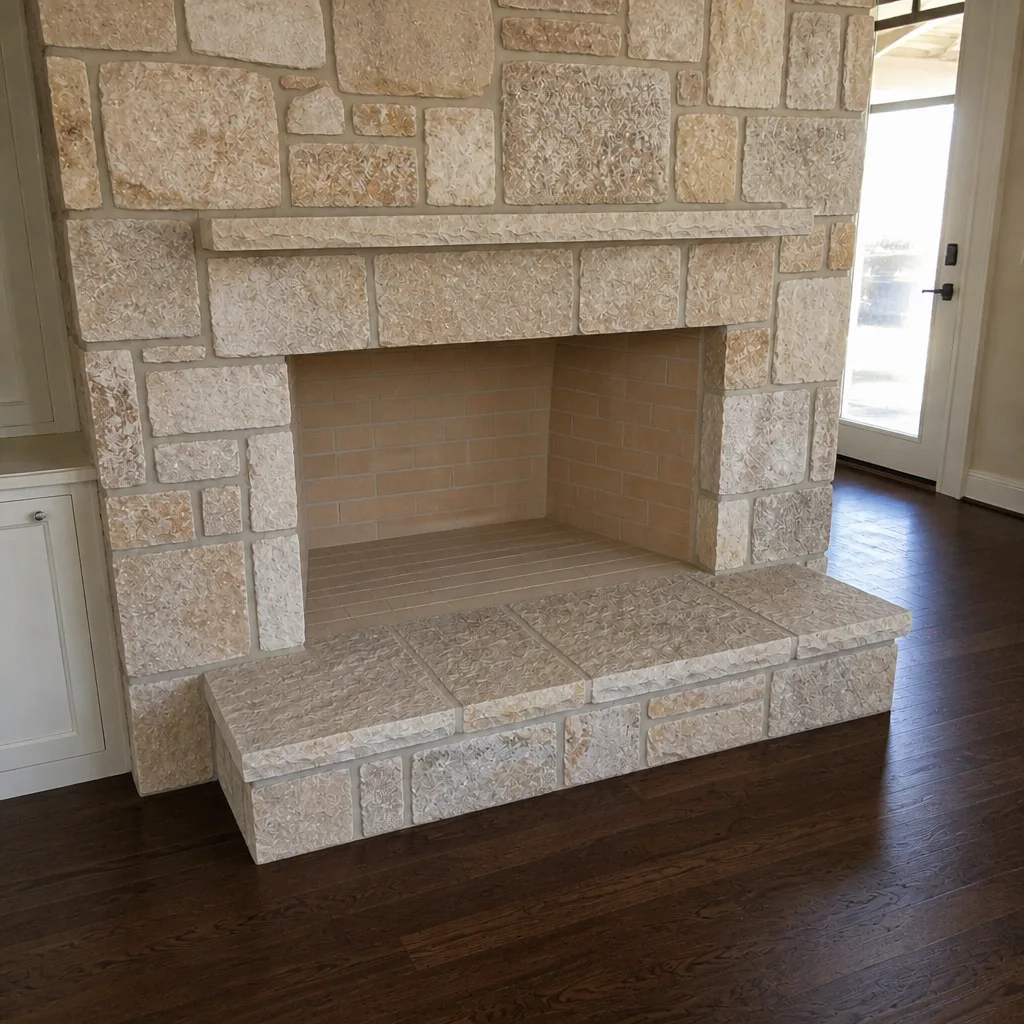
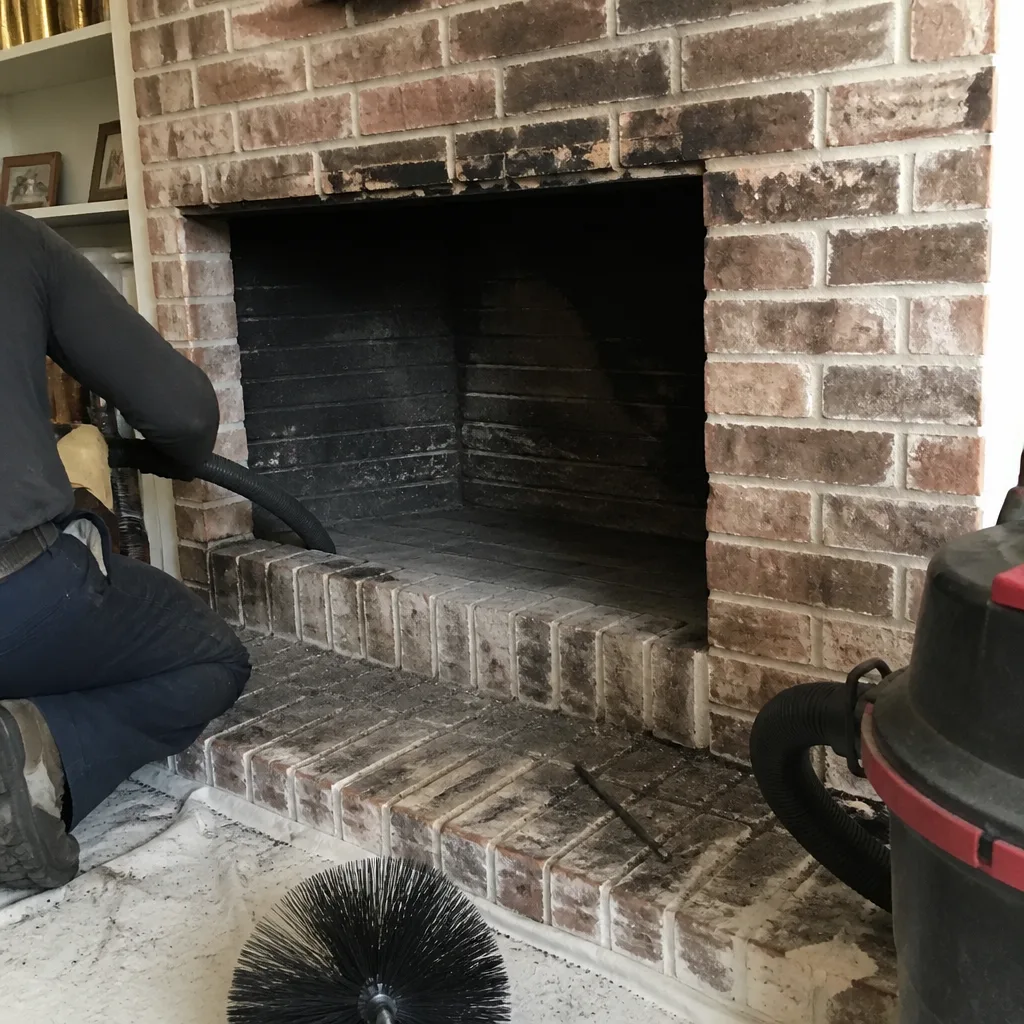
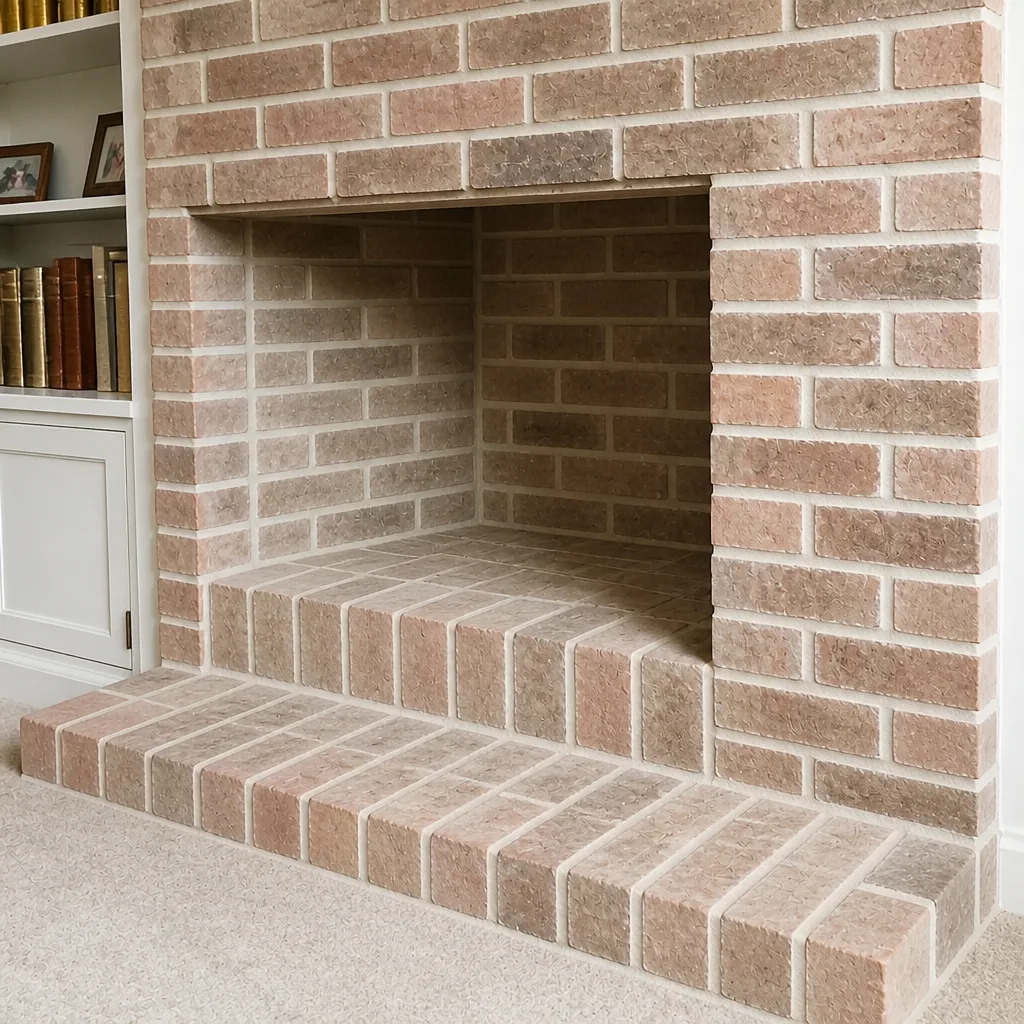
See the difference
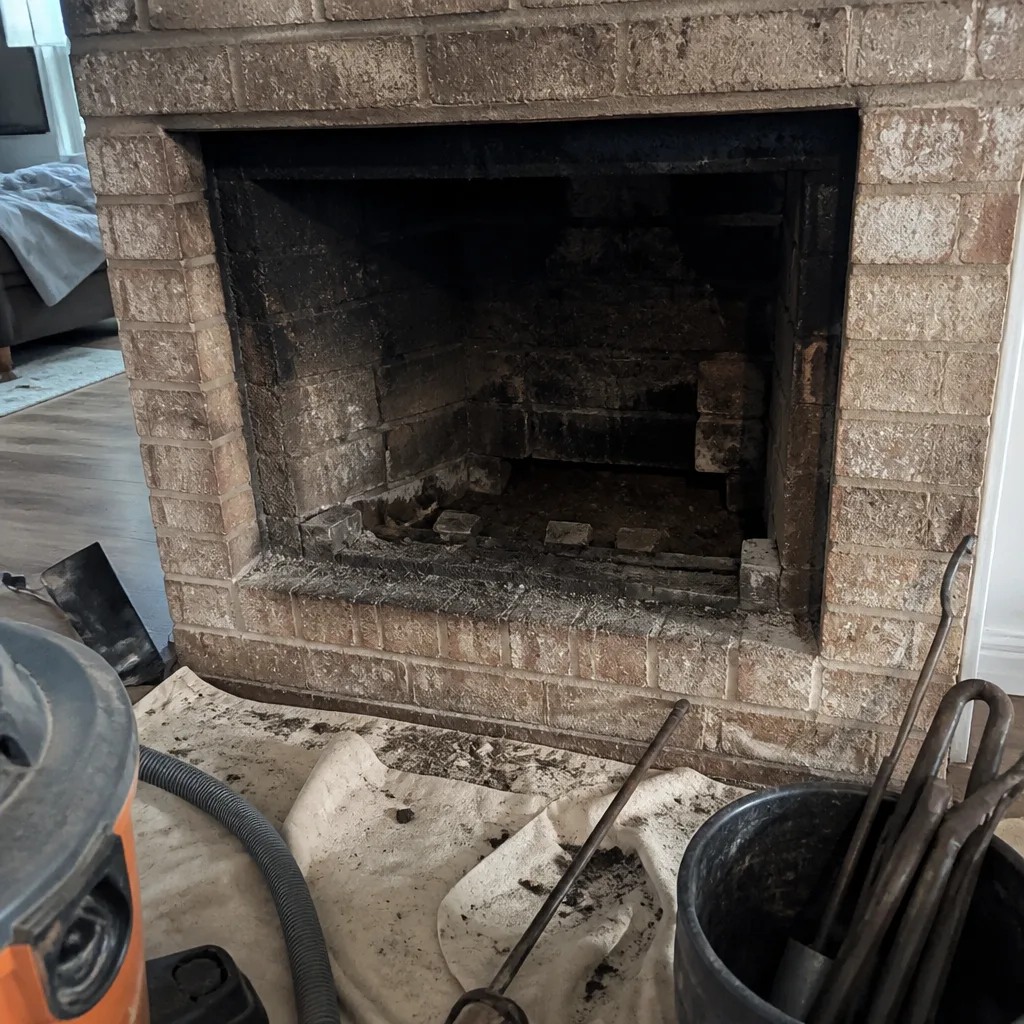 Before
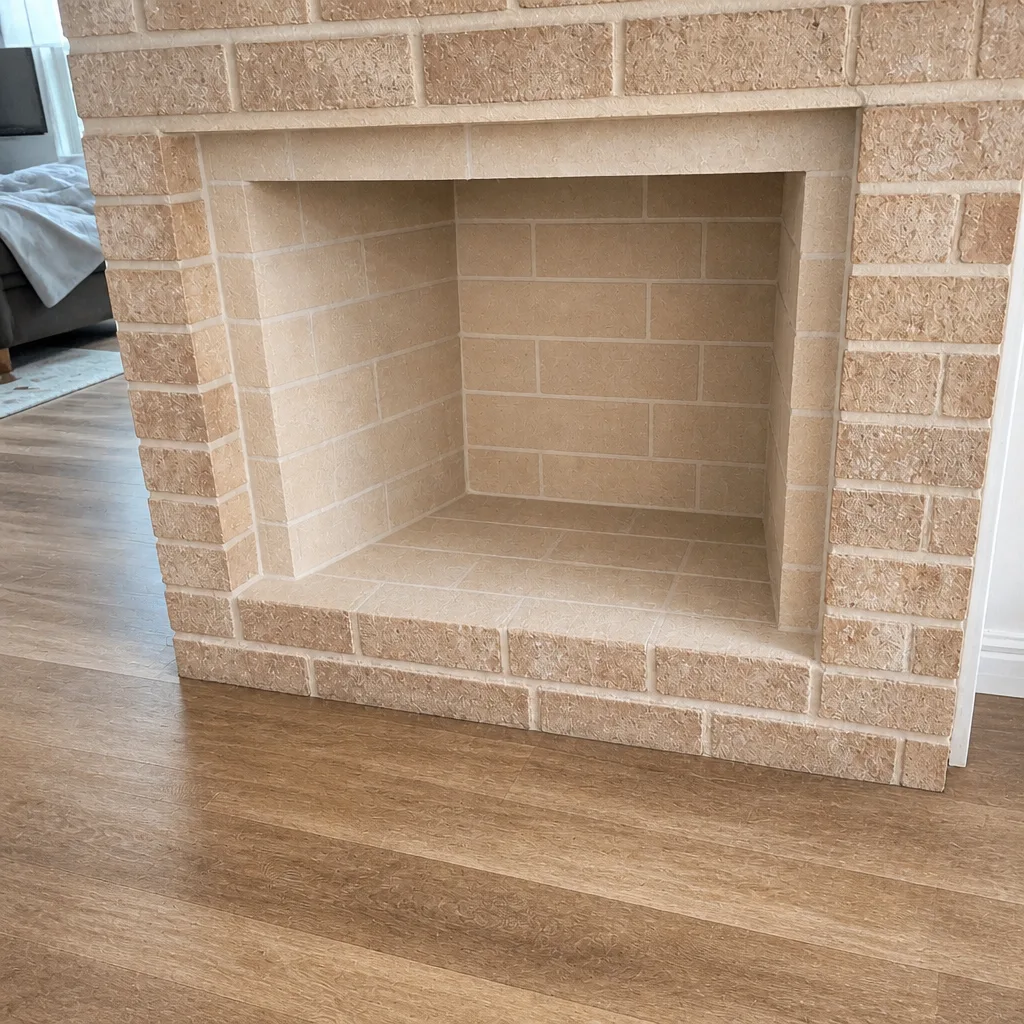 After
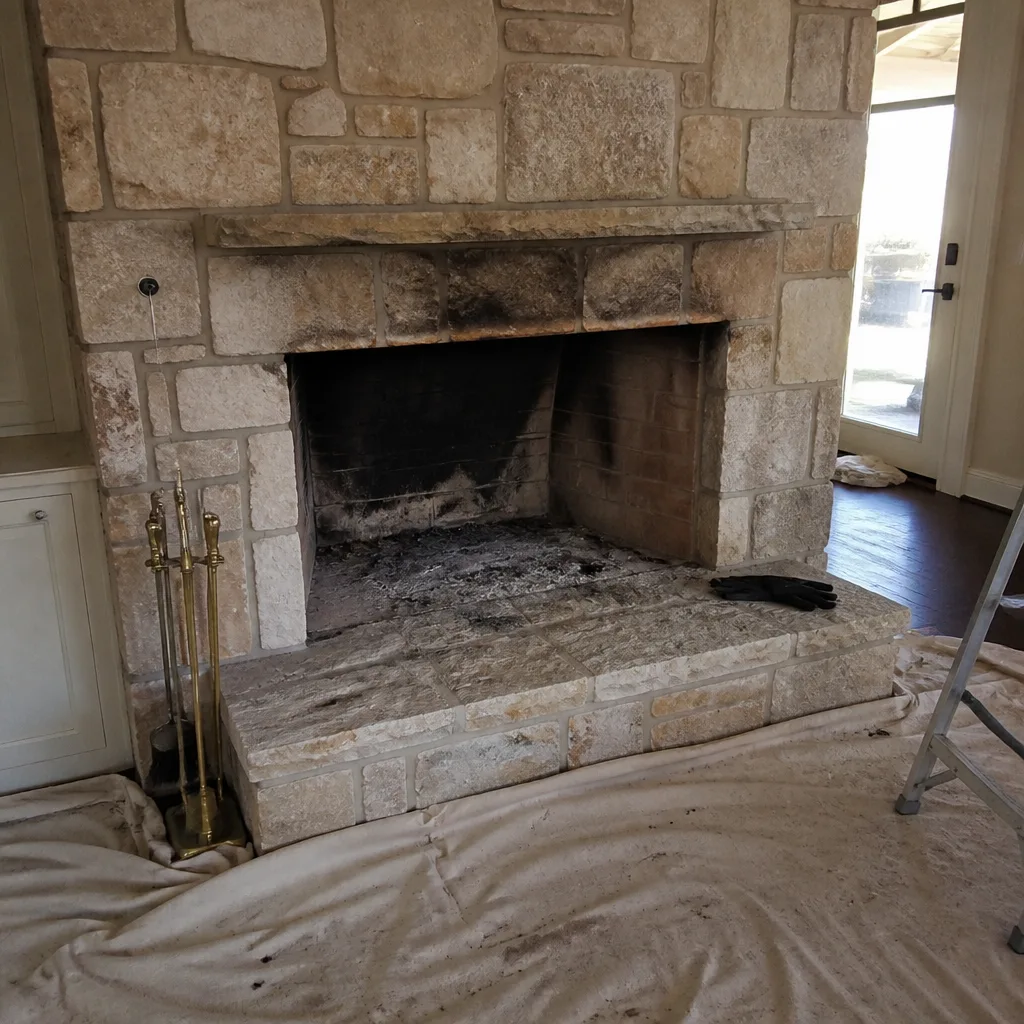 Before
 After
 Before
 After
When to Call a Professional
Call a professional if your chimney has not been swept in the past year, if the fireplace smokes into the room, if you notice a strong creosote smell, if the damper sticks or won’t close fully, if you’ve had an animal in the flue, or if the cap is visibly damaged. Call immediately if you suspect a chimney fire has happened (unusual staining on the exterior, a strong burnt smell, or warped components), if you have a gas insert and smell gas, or if anyone in the home has been experiencing unexplained headaches or dizziness that could suggest carbon monoxide exposure.
Saddle Chimney Sweep offers free estimates in College Station. We answer 24/7. Fast dispatch from 7am to 7pm, Sunday through Friday, and we’re closed on Saturday. Call (844) 538-0969.
Frequently Asked Questions
A standard chimney sweep in College Station typically runs $150 to $300, with the written estimate setting the final price. Add-ons like camera inspection, heavy creosote removal, or animal debris extraction can push the total into the $300 to $600 range. For an exact quote, call (844) 538-0969. Estimates are free.
Only if the camera inspection shows you need one. Cracked tiles, offset joints, or visible gaps in a clay tile liner can make a wood-burning fireplace unsafe, and a stainless liner is often the fix. But you should always see the camera footage before agreeing to liner work, and you should ask whether anything can safely wait. We don’t recommend liner replacement without showing the homeowner the evidence first. Call (844) 538-0969 for a free estimate.
Most wood-burning fireplaces should be swept annually, regardless of how often they’re used. Gas inserts and appliances also need annual inspection, though the cleaning scope is different. In College Station, we generally recommend booking the annual sweep in the early fall so you have a clean flue before the first cold snap. Call (844) 538-0969 to schedule.
The most serious risk is a chimney fire caused by accumulated creosote, which can damage the liner and the masonry above it and run into the thousands to repair. A blocked or deteriorated flue can also allow combustion gases, including carbon monoxide, to vent back into the home. Neither outcome is inevitable, but both are preventable with an annual sweep. Call (844) 538-0969 for a free estimate.
A basic sweep cleans the flue and firebox; a full-system service adds camera inspection, liner assessment, cap and damper evaluation, and a written report of findings. The extra cost reflects the extra time and equipment, not a different cleaning standard. Both can be honest prices for what they cover. Call (844) 538-0969 to find out which service your chimney actually needs.
Yes. Gas inserts and appliances need annual inspection and cleaning, and the venting system still has to be evaluated for damage, blockage, or liner degradation. The scope is different from a wood-burning sweep, but the safety concern is the same. Call (844) 538-0969 for a free estimate on your gas insert or fireplace.
Yes, and most homeowners do. Dryer vent cleaning addresses one of the most overlooked household fire hazards, and folding it into the same appointment saves time and travel. It’s also a good annual pairing with a chimney sweep. Call (844) 538-0969 for a free estimate.
Not fully. Any recommendation for liner replacement, masonry work, or significant repair should come with camera footage or photos you can see for yourself. If a contractor recommends a thousands-of-dollars repair without showing the evidence, get a second opinion. Our estimates include a photo report so you can verify. Call (844) 538-0969 to schedule.
The Bottom Line
Chimney cleaning cost in College Station isn’t a single number; it’s a range shaped by what your chimney actually needs. A baseline sweep at $150 to $300 is a fair price for a clean, undamaged flue. Add-ons like camera inspection, heavy creosote removal, or cap and damper replacement are legitimate costs when the evidence supports them. The single most useful thing you can do as a homeowner is ask what’s included, ask what’s conditional on inspection, and ask to see the camera footage before agreeing to anything. A written estimate before work begins is what turns a quote into a commitment. And the cheapest line item on a chimney invoice is the annual sweep you don’t skip. If you’re ready to see what your chimney actually needs, call (844) 538-0969 for a free estimate from the team at Saddle Chimney Sweep. We answer 24/7. Fast dispatch from 7am to 7pm, Sunday through Friday. We’re closed on Saturday. Serving College Station and the surrounding area.
Written by the team at Saddle Chimney Sweep.