
Last updated November 15, 2026
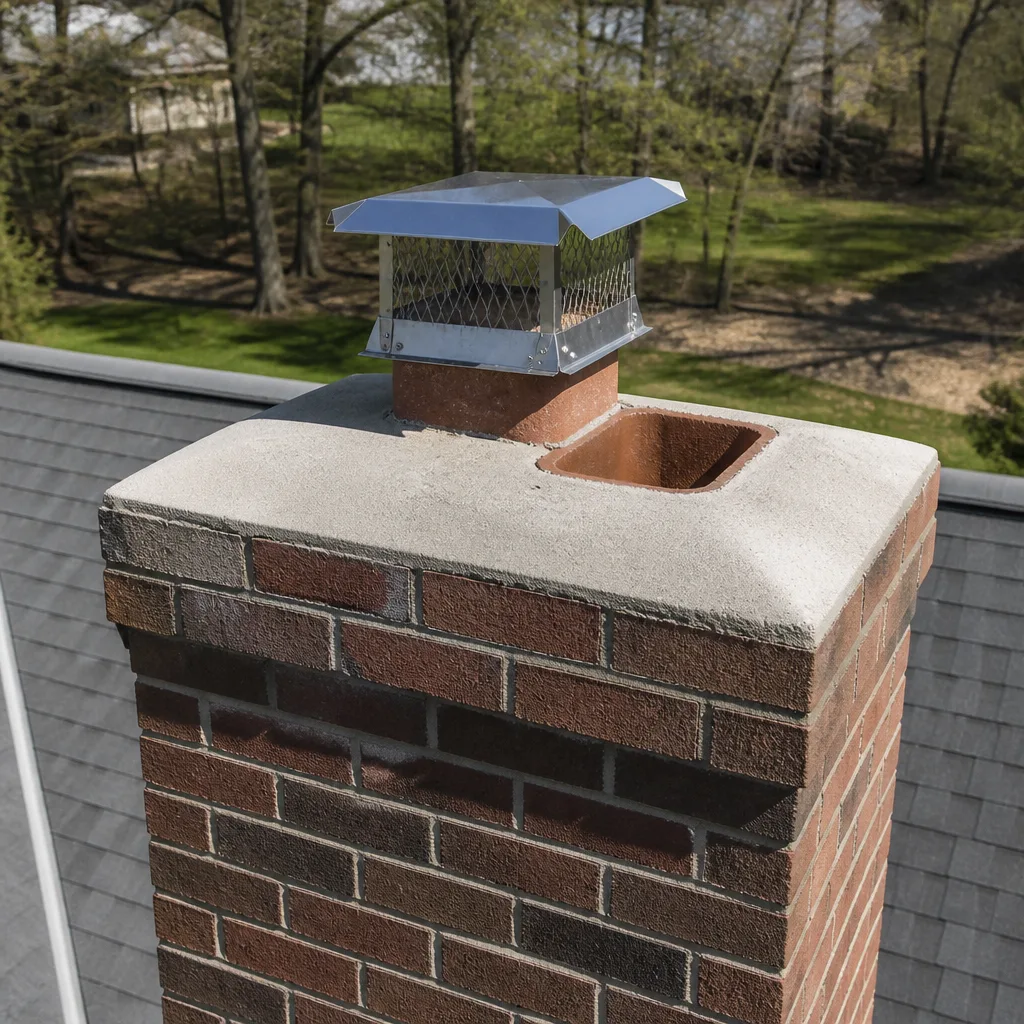 Sweep & inspection
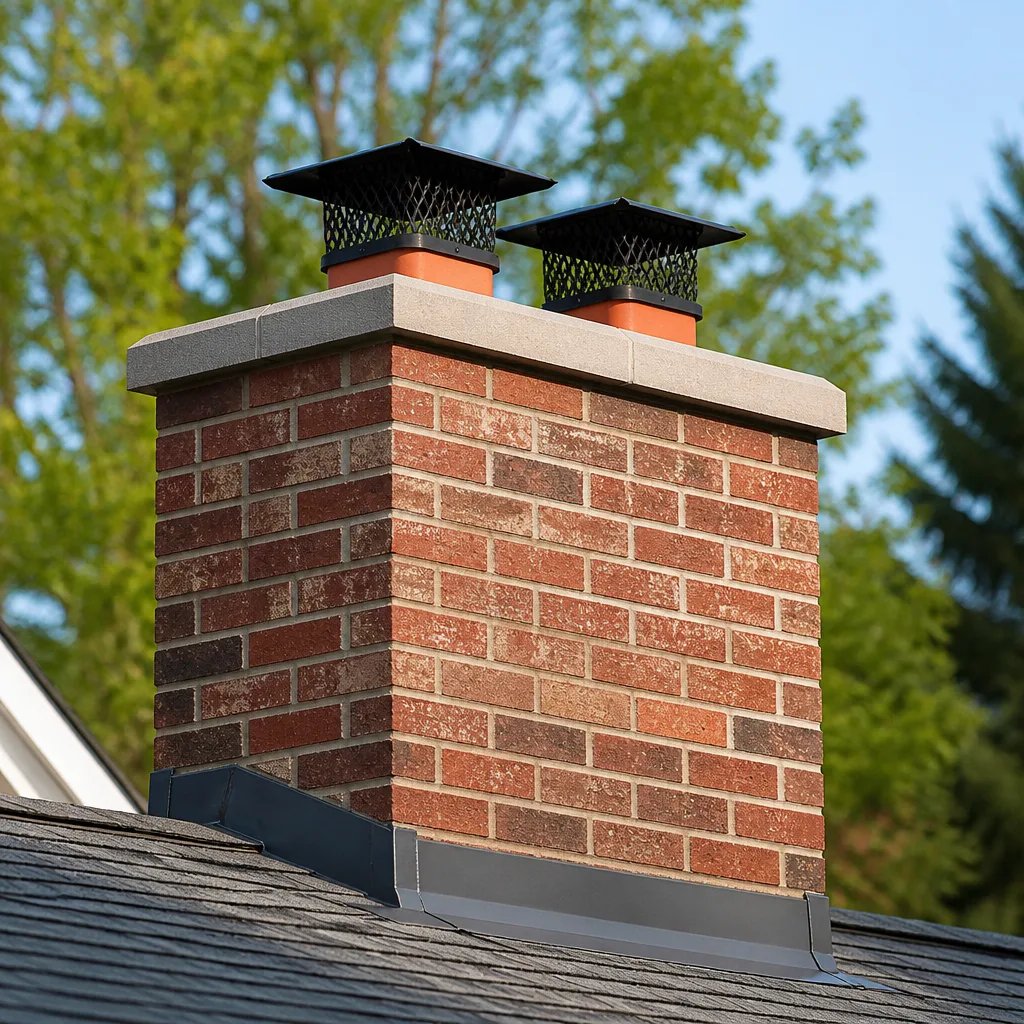 Caps & crowns
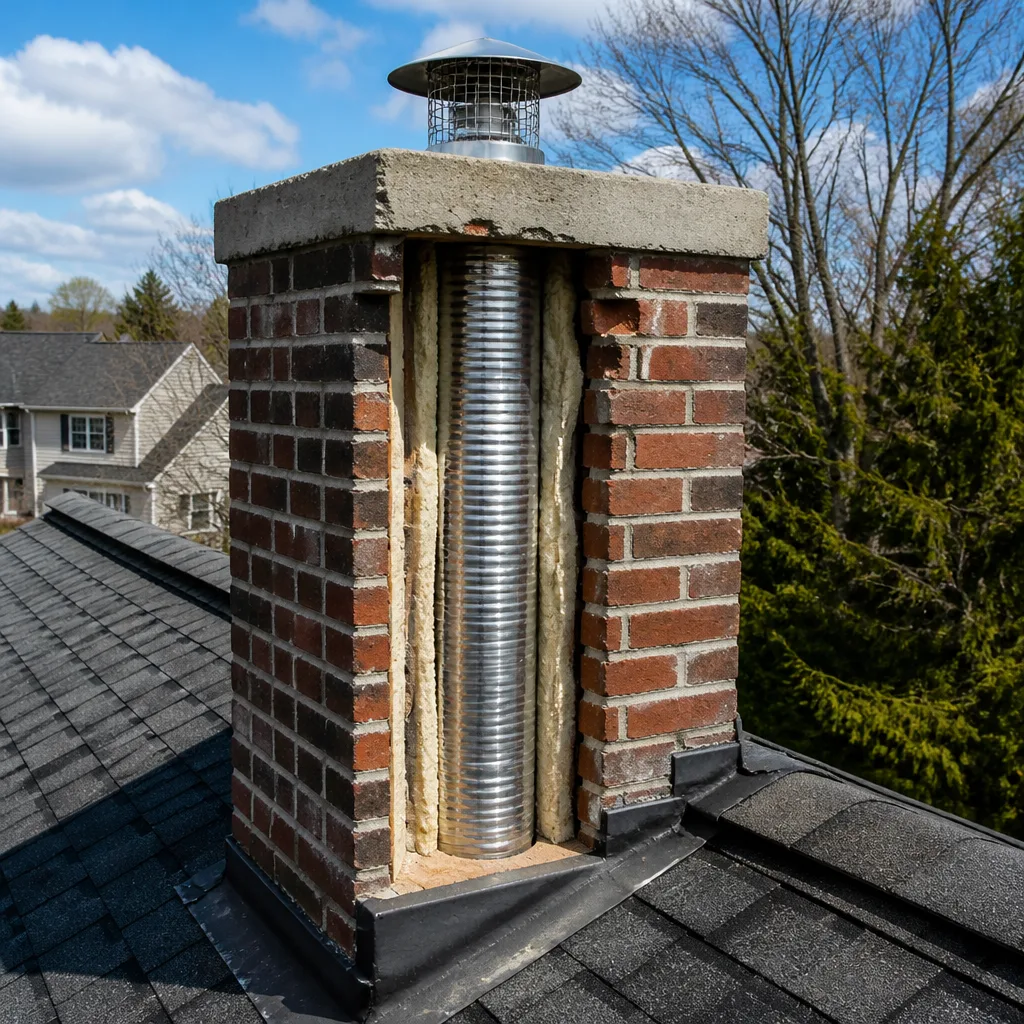 Flue relining
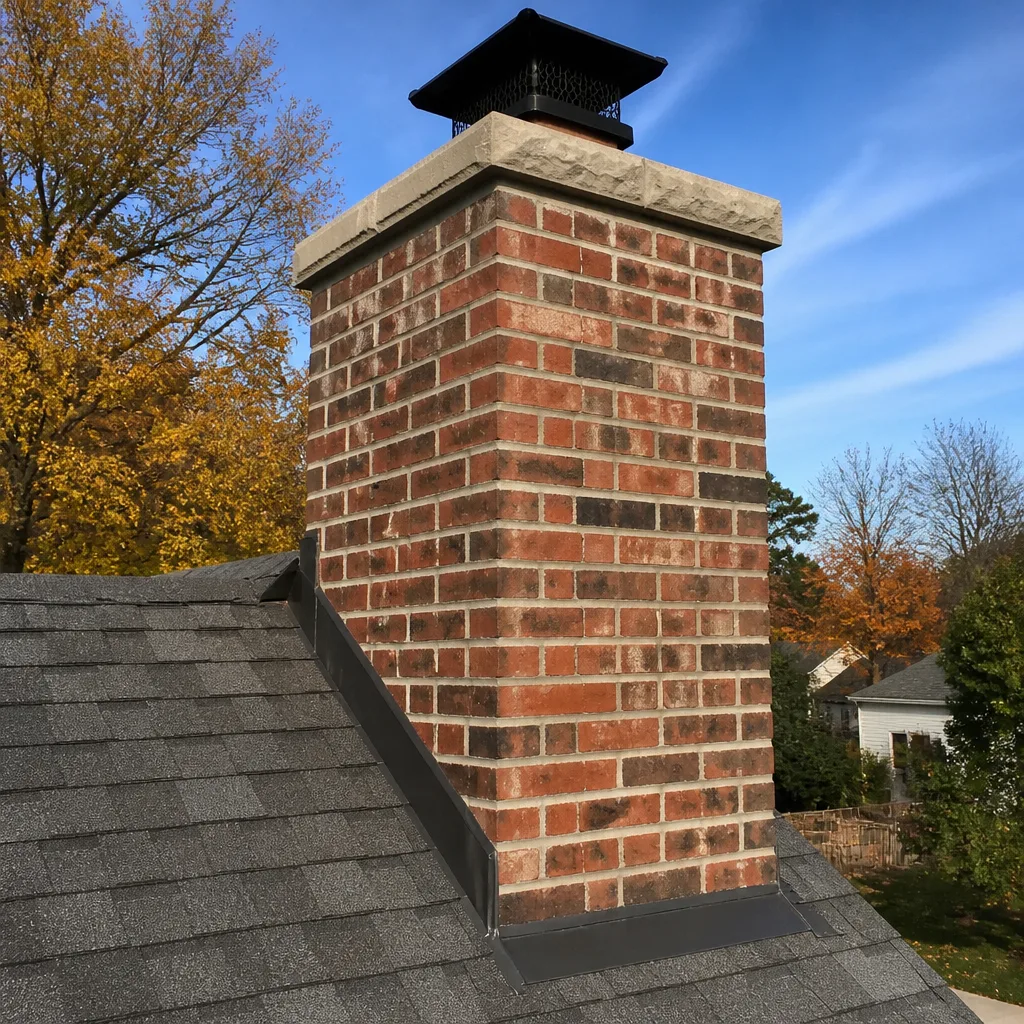 Masonry repair
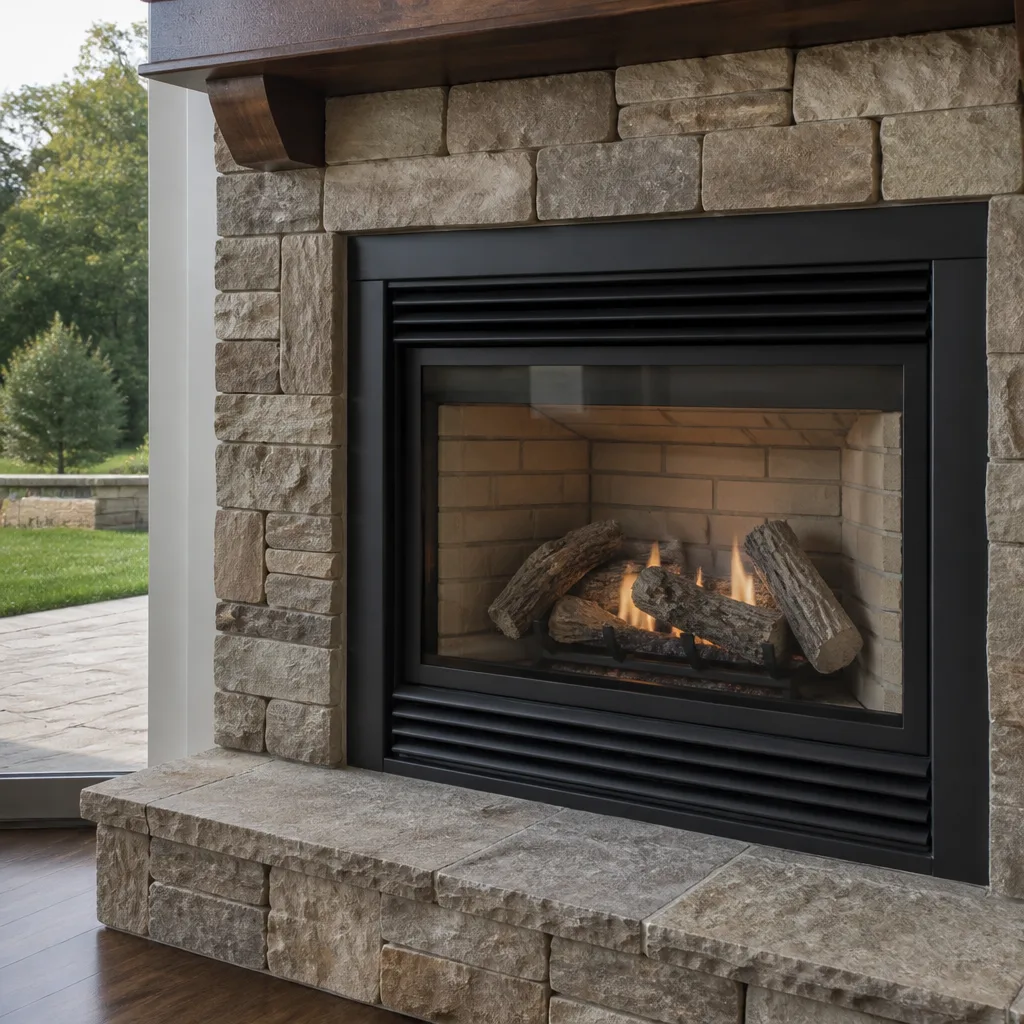 Gas fireplace service
Level 1 sweep and inspection to the NFPA 211 annual standard - flue, crown, cap, and flashing checked and photographed
Chimney sweep logs do not sweep chimneys. They loosen some creosote - which then falls where a brush and vacuum still have to collect it.
Chimney Cleaning Emergency Preparedness Guide for College Station Homes
Most homeowners believe a chimney fire announces itself with flames shooting from the roof. In our experience, that’s the rare, late-stage version. The common chimney fire is quieter, burns at extreme heat inside the flue, and can smolder undetected while the family sleeps in the next room. That gap between what people expect and what actually happens is where preparedness lives. A chimney emergency doesn’t ask you to be brave. It asks you to have thought through a few decisions before you’re standing in a smoke-filled room. This guide covers the specific scenarios College Station homeowners actually face, what to do in order, and the maintenance that keeps most of them from happening at all.
Quick Answer
Chimney emergencies in College Station come down to four scenarios: an active chimney fire, a carbon monoxide event, storm damage to the chimney exterior after a Brazos Valley thunderstorm, and a blocked or collapsed flue. For each one, knowing the correct first move in advance is what separates a contained problem from a dangerous one. Closing the damper and calling 911 immediately is the right response to an active chimney fire, evacuating everyone and leaving the door open on the way out is the right response to a carbon monoxide alarm, and a professional inspection should always follow any suspected event before the fireplace is used again.
Styles & brands we work with
- Sweep & inspection
- Caps & crowns
- Flue relining
- Masonry repair
- Gas fireplace service
Table of Contents
- How Do You Identify an Active Chimney Fire?
- What Is the Correct Response Protocol for a Chimney Fire?
- Carbon Monoxide Emergencies: Symptoms and Evacuation
- Post-Storm Chimney Checks for Brazos Valley Thunderstorms
- Blocked or Collapsed Flues: The Quiet Emergency
- The Maintenance Failures Behind Most Chimney Emergencies
- How to Build a Chimney Emergency Kit and Plan
- What Happens After a Chimney Emergency
How Do You Identify an Active Chimney Fire?
An active chimney fire is usually recognized by sound and smell before it’s recognized by sight. The most reliable signs are a low roaring that sounds like a distant freight train or a deep rumble coming from the flue, combined with rapid popping and cracking as creosote deposits burn off. Many people describe it as sounding like the chimney itself is breathing. If you hear that while your fireplace is burning, treat it as an active chimney fire and act.
Visual signs follow. You may see thick black smoke or a darker, denser plume than normal coming from the chimney top. Sparks or embers flying from the cap are another signal. Some homes report a hot, acrid smell sharper than usual wood smoke, and the chimney pipe or surrounding masonry can become noticeably warm to the touch. Inside the firebox, wood may start pulling flame faster than the draft can feed it, and the fire can flare unpredictably.
A creosote fire can also burn with almost no visible smoke at all if the flue is sealed enough to starve it of oxygen, which is one reason quiet chimney fires go unnoticed until a neighbor reports unusual smoke or a smoke alarm triggers. In our experience with College Station homes that burn oak and mesquite through the cooler months, the dry, breezy winters can make a chimney fire burn hotter and faster because there’s more oxygen feeding it than people realize.
What separates a chimney fire from normal combustion: normal burning is steady and audible only as a soft crackle. A chimney fire is louder, faster, and comes from above or around the firebox rather than from the wood itself. If you’re unsure, err on the side of treating it as a fire. A false alarm is far safer than a delay.
What Is the Correct Response Protocol for a Chimney Fire?
The correct protocol for an active chimney fire is: get everyone out, call 911, and cut the fire’s air supply if you can do so safely on your way out. Close the firebox doors or glass doors if the fireplace has them, and close the damper if you can reach it without lingering. Do not climb onto the roof, do not try to dump water or baking soda down the chimney, and do not attempt to fight a fire that has spread beyond the firebox.
Here is the sequence, in order, as we walk homeowners through it:
- Alert everyone in the home. Shout, activate smoke alarms if they haven’t triggered, and account for every person and pet.
- Evacuate to a safe distance outside. Get well clear of the house, at least to the street or the far end of the yard. Leave exterior doors unlocked as you exit so the fire department can enter without breaking them.
- Call 911. State clearly that you have a chimney fire and give the full address. Mention if you smell gas or see flames on the roof.
- If it’s safe on your way out, close the firebox doors and damper. Starving the fire of air slows it while you wait. If smoke is heavy or the firebox is already roaring, skip this step and keep moving.
- Wait for the fire department. Don’t go back inside for possessions, pets, or to check on the fire. Firefighters will assess whether the fire has spread to the attic or framing.
- Do not use the fireplace again until it’s been inspected and cleared by a professional. Even a chimney fire that seems to have burned itself out can leave cracked flue tile, warped dampers, and compromised mortar.
One point worth making: closing the damper on a fire that has already escaped the firebox is dangerous, since heat and smoke need somewhere to go. The damper close is only for a fire contained to the flue and only if it can be done in a second or two without smoke billowing into the room. If in doubt, get out and let the fire department handle it. Property is replaceable; the people inside are not.
Carbon Monoxide Emergencies: Symptoms and Evacuation
Carbon monoxide is colorless, odorless, and has no taste, which makes it the emergency most likely to be missed. A CO alarm going off is not a nuisance event to silence. It is a signal to get out of the house and call 911 or your gas utility from outside. Never reset the detector as a first step, and never assume a fresh battery fixed the problem.
Symptoms of CO exposure include headache, dizziness, nausea, confusion, shortness of breath, and fatigue. They often mimic the flu, which is exactly why families attribute them to something else. A pattern worth knowing: if multiple people in the home feel unwell at the same time and symptoms ease after leaving the house, CO is a possibility worth taking seriously.
The evacuation protocol mirrors a fire response:
- Get everyone, including pets, out of the house immediately.
- Leave doors open as you exit to help ventilation.
- Call 911 or your gas utility from outside. Do not re-enter to open windows or shut off the gas yourself.
- Do not return until the fire department or gas utility has cleared the home.
- Schedule a professional chimney inspection before relighting any appliance, since CO from a wood-burning or gas appliance almost always traces back to a venting problem.
In College Station, the combination of gas fireplaces, gas water heaters, and vented furnaces means a blocked or partially collapsed flue can route exhaust back into the living space. We’ve seen CO issues traced to bird nests, disconnected vent pipe sections, and cracked flue tile. All three are visible during a sweep. If you have any gas appliance vented through a chimney, a CO detector on each floor is not optional. It’s the difference between a warning and a silent problem.
Post-Storm Chimney Checks for Brazos Valley Thunderstorms
Brazos Valley thunderstorms hit hard and fast. After a severe storm, especially one with high wind, lightning, or hail, take a walk around the house before using the fireplace again. Most chimney storm damage is visible from the ground with nothing more than a pair of eyes and a good angle.
What to look for from the yard:
- Missing or damaged chimney cap. A loose cap lets rain, birds, and debris into the flue. If the cap is gone, don’t burn until it’s replaced.
- Cracked or chipped crown. The concrete crown at the top of the chimney sheds water. A crack allows water into the masonry, which can freeze (even a mild freeze), spall the brick, and reach the flue.
- Displaced flashing. Where the chimney meets the roof, flashing seals out water. Lifted or torn flashing is a leak waiting to happen.
- Loose bricks or mortar. High wind can dislodge caps, spark arrestors, and occasionally masonry. If you see brick or mortar pieces on the ground near the base of the chimney, treat it as serious.
- Tree limbs on the roof or against the chimney. Limbs riding the roofline can abrade flashing and masonry over time, and a limb across the flue opening can cause a block.
The saddle (also called a cricket) is the small roof-like structure on the uphill side of a chimney that channels water away from the chimney base. It’s the part of the chimney most affected by wind-driven rain, and the part most often missed during a casual inspection. Our company name comes from that structure for a reason: it’s the piece that quietly protects everything behind it.
If you see any of these signs after a storm, don’t light a fire until a professional has looked at the chimney. A damaged cap or crown is not just a cosmetic problem; both can allow water or debris into the flue, and both can be repaired during the same visit as a sweep.
Blocked or Collapsed Flues: The Quiet Emergency
A blocked flue is the emergency with no alarm. It doesn’t produce a siren, a pop, or a smell. What it produces is smoke in the living room, an appliance that won’t draft, or, in the worst case, carbon monoxide moving into the house instead of up the chimney. Blocked flues are usually caused by bird nests, squirrel nests, leaf debris, dislodged flue tile, or a fallen mortar wash at the top of the stack.
The warning signs to watch for:
- Smoke rolling out of the firebox when you open the glass doors.
- Weak, lazy flame with a smoky, sluggish burn that doesn’t pull like it used to.
- A smell of smoke lingering in the house after the fire is out.
- Soot collecting on the firebox glass or the damper.
- Condensation or moisture on fireplace glass.
- A whistling or humming sound from the chimney when the fire is running.
Any of these is a sign to stop using the fireplace until it’s inspected. A badly collapsed flue tile can also pinch off draft entirely, and a chimney sweeping service with a camera can confirm exactly where the block is and what it’s made of. The camera inspection is the part to insist on. Any professional you call should show you the photos, not just describe them.
The Maintenance Failures Behind Most Chimney Emergencies
Most chimney emergencies trace back to a short list of maintenance failures. In our experience, the top contributors are:
- Skipped annual sweeps. Creosote builds in layers. Glazed creosote, the third-degree stage, is what fuels most chimney fires and is the hardest to remove. Annual sweeping keeps deposits at the workable first stage.
- Burning unseasoned or “green” wood. Wet wood produces much more creosote per fire than dry hardwood. The moisture fights the burn and the byproduct coats the flue.
- Burning paper, cardboard, or household trash. Paper and trash send ash and light debris up the flue, where it can catch and carry flame into the stack. Treated wood and driftwood are worse.
- Neglecting the exterior. A cracked crown, missing cap, or displaced flashing allows water into the masonry, which erodes mortar over time and eventually exposes the flue to failure.
- Never inspecting the flue interior. A homeowner can’t see cracked flue tile from the firebox. A camera inspection during the sweep is what catches it before it becomes a CO or fire hazard.
- Ignoring the dryer vent. Lint buildup in the dryer vent is one of the most overlooked household fire hazards in the home. A dryer vent cleaning on the same schedule as your chimney sweep removes that risk from the same visit.
The maintenance correlation is the part worth internalizing: nearly every chimney fire is preventable with a sweep schedule matched to how much you burn, dry firewood, and a functioning cap and crown. For a household burning regularly through the cooler months in College Station, annual inspection with sweeping as needed is the right baseline. Households that burn only occasionally can go longer, but the annual inspection still matters, because the flue can fail without being used.
When a sweep finds a problem, we can fix it. Our technicians work with professional-grade materials from DuraFlex and HeatShield, so a cracked flue liner or a damaged damper gets resolved in the same service relationship instead of a referral to a second contractor.
How to Build a Chimney Emergency Kit and Plan
Preparedness is a fifteen-minute exercise if you sit down and do it. A household plan and a small kit are what let you act instead of think when something goes wrong.
Build the plan first:
- Identify the safe exit. Decide, as a household, which door leads out fastest from the main living area and where everyone will meet at the street.
- Test smoke and CO alarms. Press the test button monthly and replace batteries on a fixed schedule. Place CO detectors on every floor and near every sleeping area.
- Note the damper location and how it opens and closes. Show every adult in the home where it is. Practice reaching it without looking.
- Post the local emergency number. 911, plus your gas utility’s emergency line if you have gas appliances.
- Schedule the sweep before burning season. A booked sweep in the early fall prevents most of the scenarios in this guide from ever happening.
The kit itself is simple:
- A working flashlight and spare batteries.
- A carbon monoxide detector in the main living area and near the bedrooms.
- A fire extinguisher rated for class A fires near the fireplace, mounted where you can reach it on the way out.
- A pair of heat-resistant gloves near the firebox.
- A phone charged and a charger in the car.
The 90-second window at the start of an active chimney fire is real. The person standing in front of the firebox needs to know what to do before they’re standing there. That’s the entire point of writing the plan down and walking through it as a family.
What Happens After a Chimney Emergency
After any suspected chimney fire, CO event, or storm damage, the chimney should be inspected before the fireplace is used again. A chimney fire, even a small one, can crack flue tiles, warp a metal liner, or char a damper without leaving a mark on the outside of the house. The inspection is the only way to know.
The inspection is straightforward. A technician runs a camera down the flue, checks the firebox, damper, and smoke chamber, and looks at the chimney exterior from the roof or from the ground with a camera or binoculars. You get a written report with photos showing the flue interior, the crown, the cap, and the flashing. Those photos matter: you should always be able to see exactly what was found rather than take someone’s word for it.
From there, three outcomes:
- Clean and clear. No damage, no fire risk. A sweep and a written record, and you’re back to burning.
- Repairable. A cracked crown, damaged cap, or failing flue liner. These are fixed in the same visit or a scheduled follow-up, with professional-grade materials from Copperfield or Famco as the case calls for.
- Not safe to burn. If the flue is compromised beyond safe use, we say so plainly. The fireplace gets shut down until the repair is complete. Nothing is recommended that the photos don’t show.
One question people ask after a fire: “Do I really need a new liner?” The honest answer is only if the inspection shows it. Some chimney fires leave a flue entirely intact; others fail the tile. The camera tells the truth, and we show it to you.
Common Mistakes to Avoid
- Assuming a quiet chimney fire isn’t happening. A creosote fire can burn with almost no visible smoke if the fuel supply is limited. If the sound and smell match the description in this guide, act.
- Pouring water down the flue. Water on a hot fire inside the chimney can crack flue tile, warp a damper, and send steam and smoke back into the room. It’s not a safe extinguisher.
- Silencing a CO alarm without evacuating. A reset, a fresh battery, or a “it’s probably the stove” reaction is how CO events turn serious. Get out first; investigate with the fire department.
- Using the fireplace after a storm without checking the cap and crown. A missing cap lets rain and birds into the flue. A cracked crown lets water into the masonry. Both are easy to miss from inside the house.
- Skipping the sweep because the fireplace looks clean. Creosote is inside the flue, not the firebox. The visible part of a chimney tells you almost nothing about its condition.
- Burning treated wood or trash. Paper, cardboard, and scrap lumber send debris up the flue and coat it faster, especially in a home that already burns regularly through College Station winters.
- Forgetting the dryer vent. Lint is fuel. A dryer vent that hasn’t been cleaned in a couple of years can turn a routine load into a fire. Same fire-safety logic as the chimney, same overlooked status.
See the difference
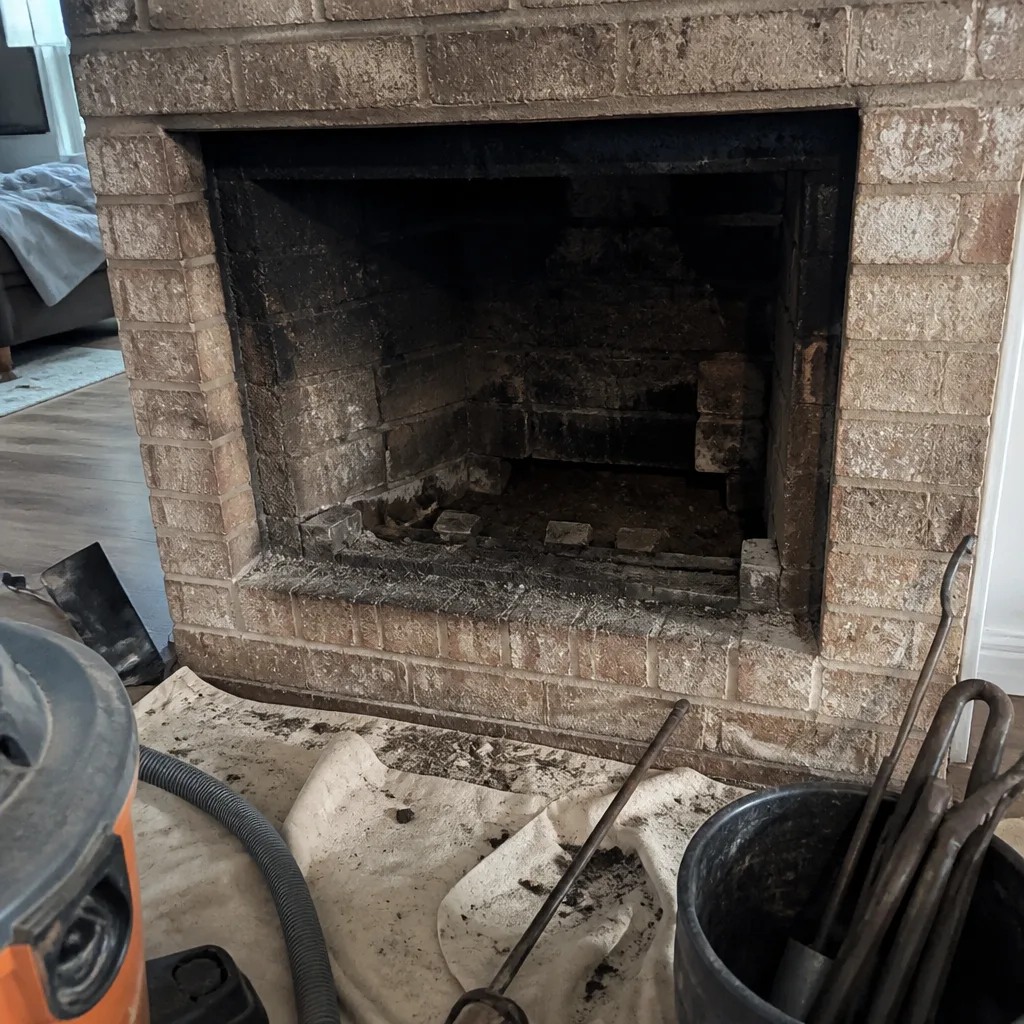 Before
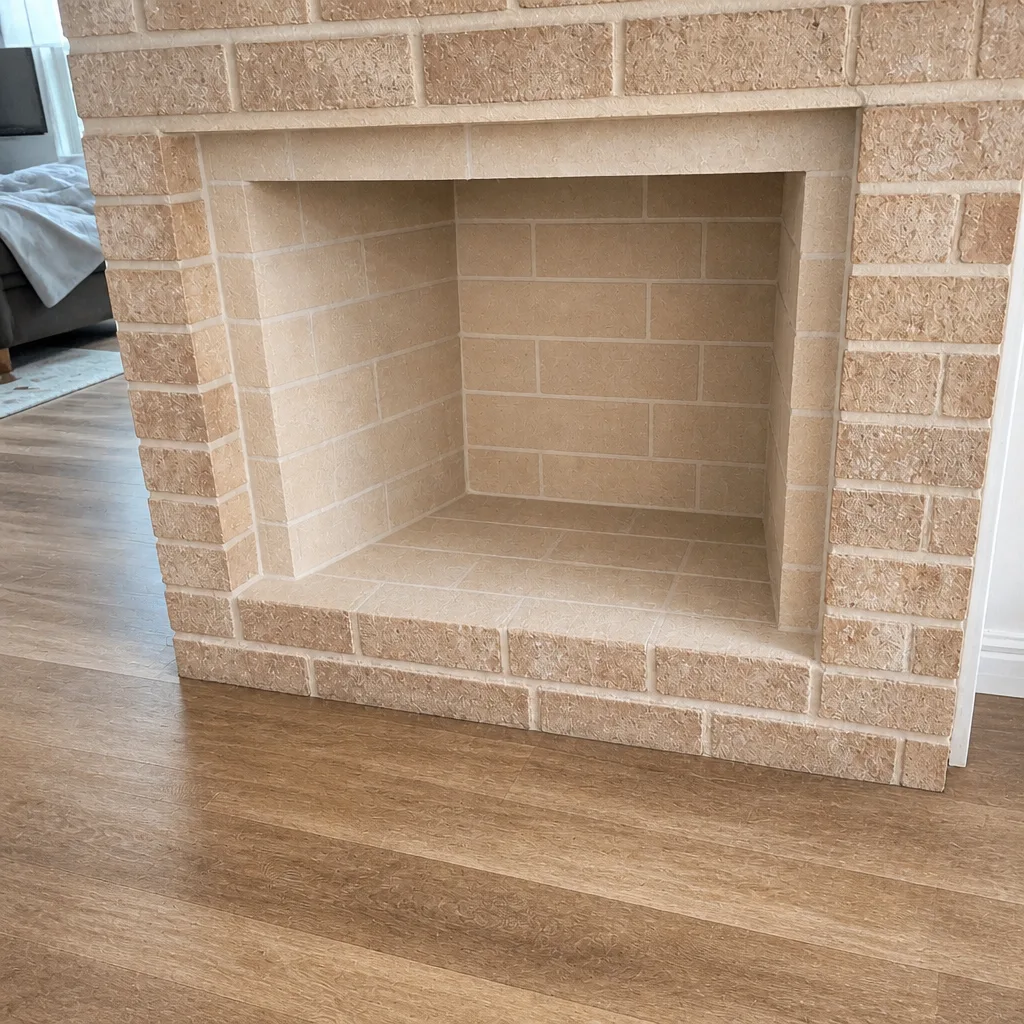 After
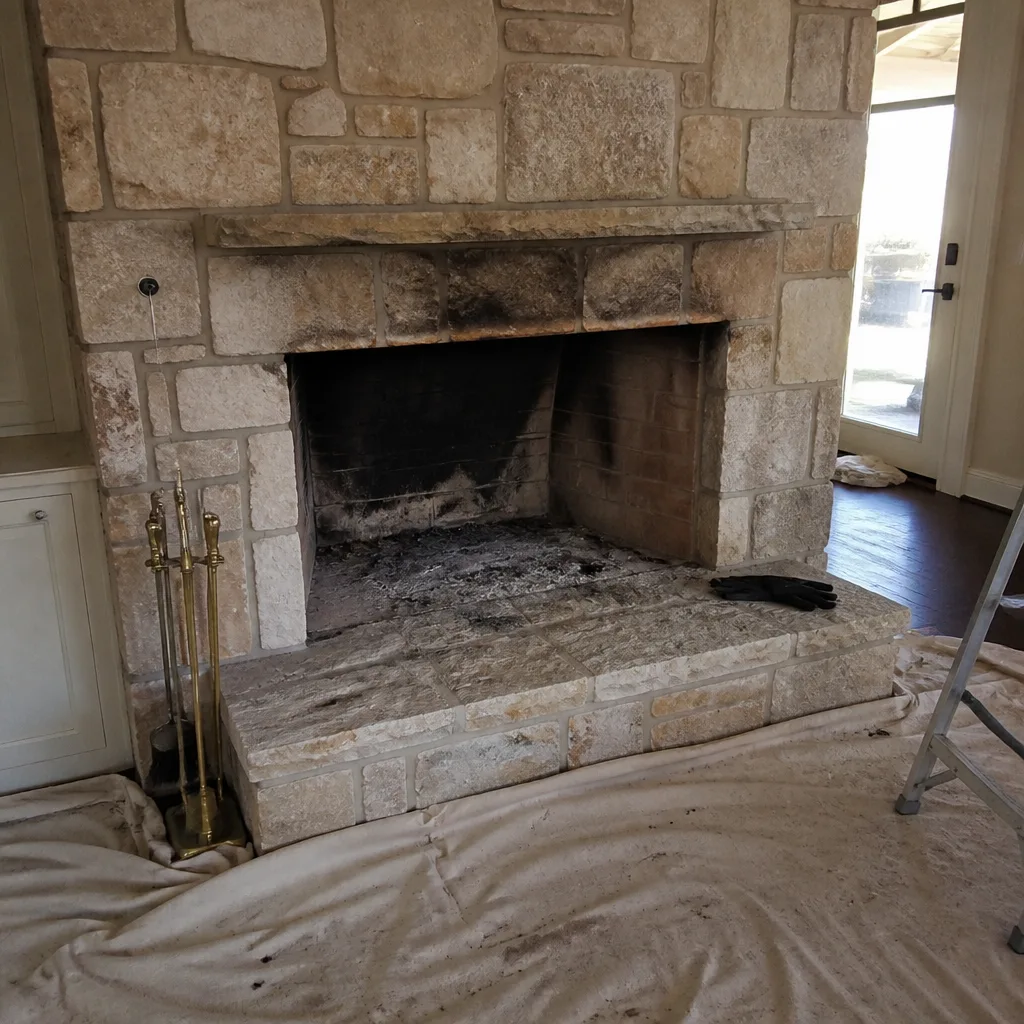 Before
 After
 Before
 After
When to Call a Professional
Call a professional if you’ve had any of the following in College Station: a suspected chimney fire, a CO alarm, visible storm damage to the cap, crown, or flashing, smoke entering the room when the fireplace is running, a flame that won’t pull, or a smell of smoke that lingers after the fire is out. Also call if the fireplace hasn’t been inspected in the last year and you burn regularly through the cooler months. These are the scenarios where a camera inspection and a written report tell you what’s actually going on, rather than leaving you guessing.
Our chimney sweep in College Station is booked per visit, and problems found during a sweep can be diagnosed and repaired in the same service relationship. If you’re not sure whether you need a sweep, a repair, or a dryer vent cleaning, that’s the call to make. We’ll tell you what you actually need, and we’ll say plainly when work can safely wait. Call Saddle Chimney Sweep at (844) 538-0969 for a free estimate.
Frequently Asked Questions
A chimney sweep is priced per job by a written estimate rather than a flat advertised rate, because the scope changes with the condition of the flue, the number of appliances vented, and whether repairs are needed. The estimate is free and set before any work begins. Call (844) 538-0969 for an exact quote; estimates are free.
Get everyone out of the house, call 911 from outside, and close the firebox doors and damper on your way out only if it’s safe to do so. Do not climb on the roof or try to extinguish the fire yourself. Once the fire department has cleared the house, don’t use the fireplace again until it’s been inspected.
For a household that burns wood regularly through the cooler months in College Station, an annual inspection with sweeping as needed is the right baseline. Households that burn occasionally can go longer between sweeps, but the annual inspection still matters, because flues can fail without being used. The camera inspection is what confirms the schedule.
Only if the camera inspection shows the existing liner is cracked, disconnected, or deteriorated. A chimney fire sometimes leaves the flue intact, and sometimes it doesn’t. Nothing gets recommended without photos you can see for yourself. Call (844) 538-0969 for an inspection and a straight answer.
A CO alarm sounding is the primary sign, but symptoms can precede it: headache, dizziness, nausea, confusion, or shortness of breath in multiple people at once. Evacuate first, call 911, and schedule a chimney inspection before reusing any vented appliance. Call (844) 538-0969 to book the inspection.
Creosote builds in layers, and the deeper stages are the fuel that feeds a chimney fire. Skipping the sweep also means missing cracks in the flue tile, damaged caps, and crown failures that let water into the masonry. Most emergencies in this guide trace back to that skipped year. Call (844) 538-0969 to get the inspection back on schedule; estimates are free.
The Bottom Line
Chimney emergencies in College Station fall into four scenarios: an active chimney fire, a CO event, post-storm exterior damage, and a blocked flue. Each one has a clear first move, and none of them requires heroics. Get out, call 911, and let the professionals handle the fire. What changes the odds is the boring stuff: an annual inspection, dry firewood, a functional cap and crown, working alarms, and a household plan everyone has walked through. When a sweep finds a problem, we fix it in the same visit, with professional-grade materials from DuraFlex and HeatShield. If you’re not sure where your chimney stands, that’s the call to make.
Call (844) 538-0969 for a free estimate on College Station chimney sweeping, chimney repair, or dryer vent cleaning. We answer 24/7. Fast dispatch from 7am to 7pm, Sunday through Friday.
Written by the team at Saddle Chimney Sweep.