
Last updated November 15, 2026
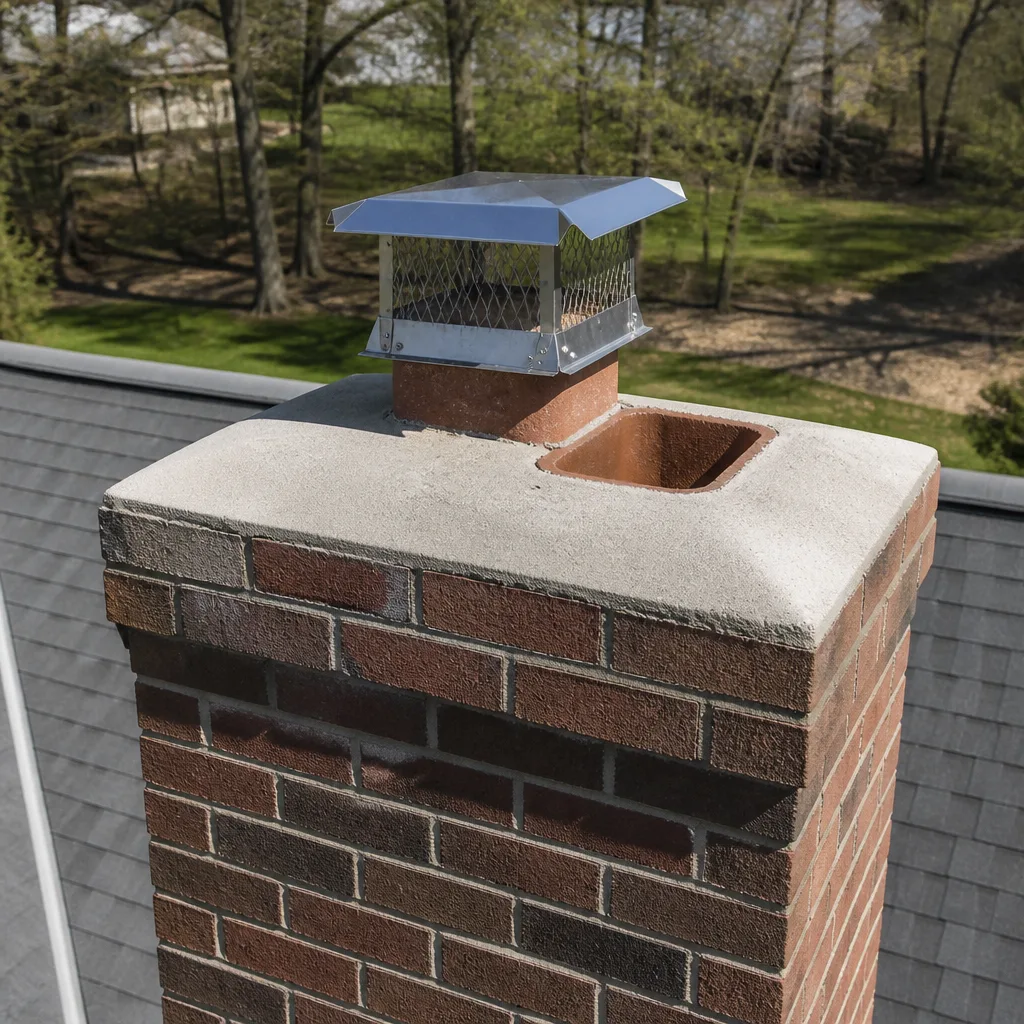 Sweep & inspection
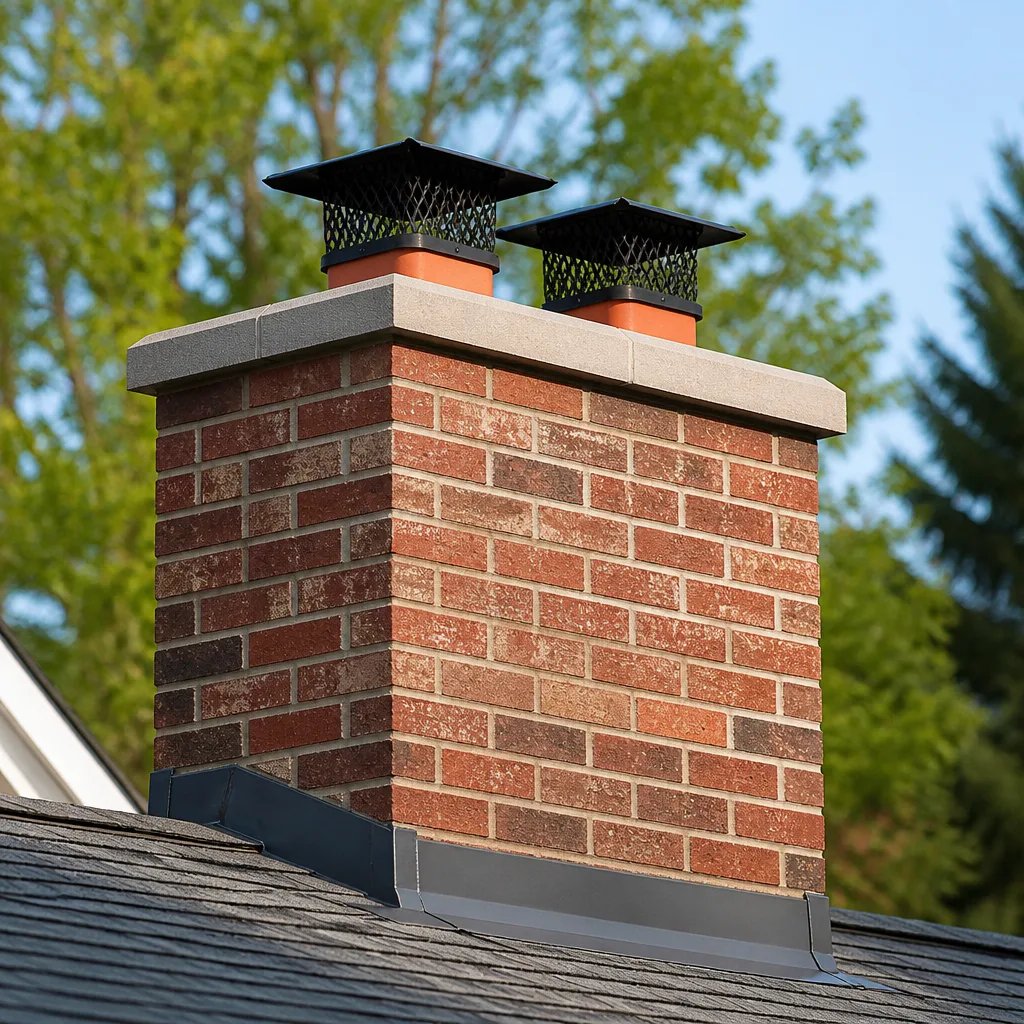 Caps & crowns
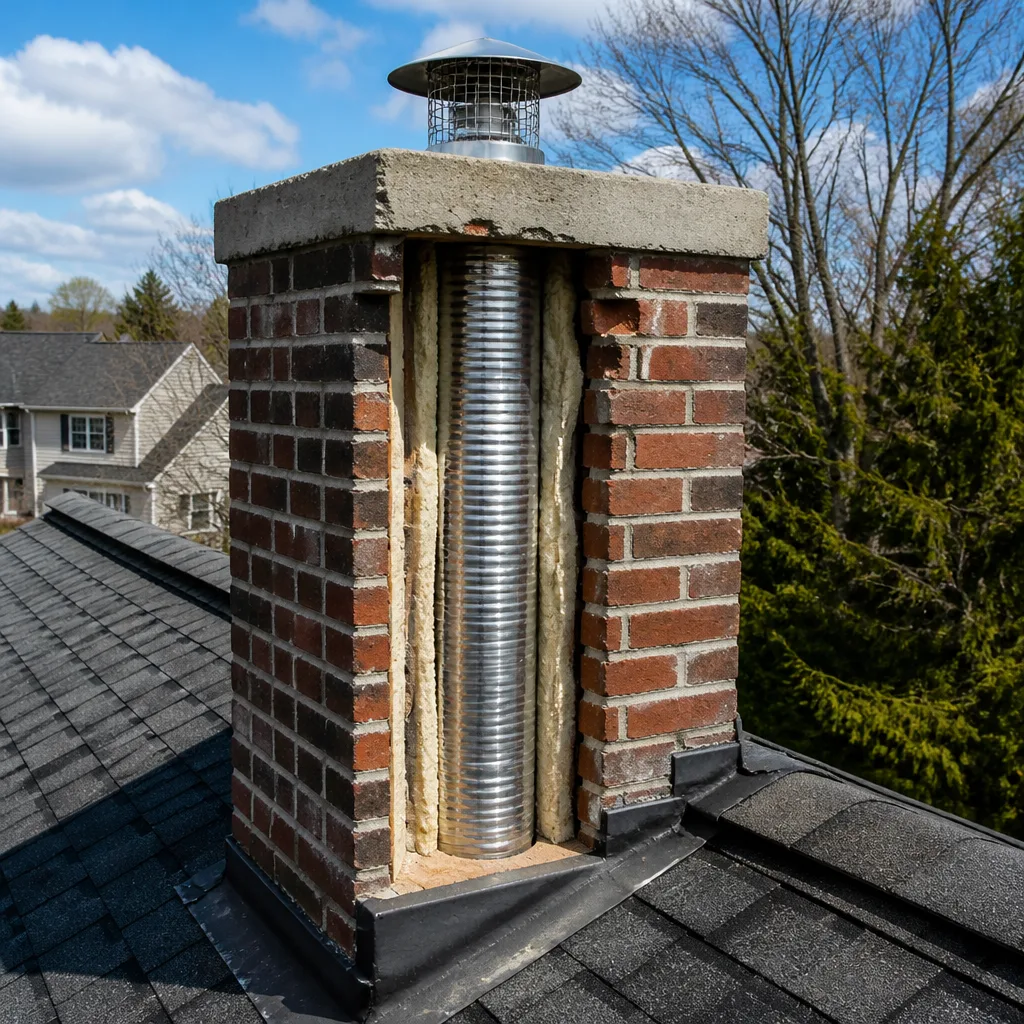 Flue relining
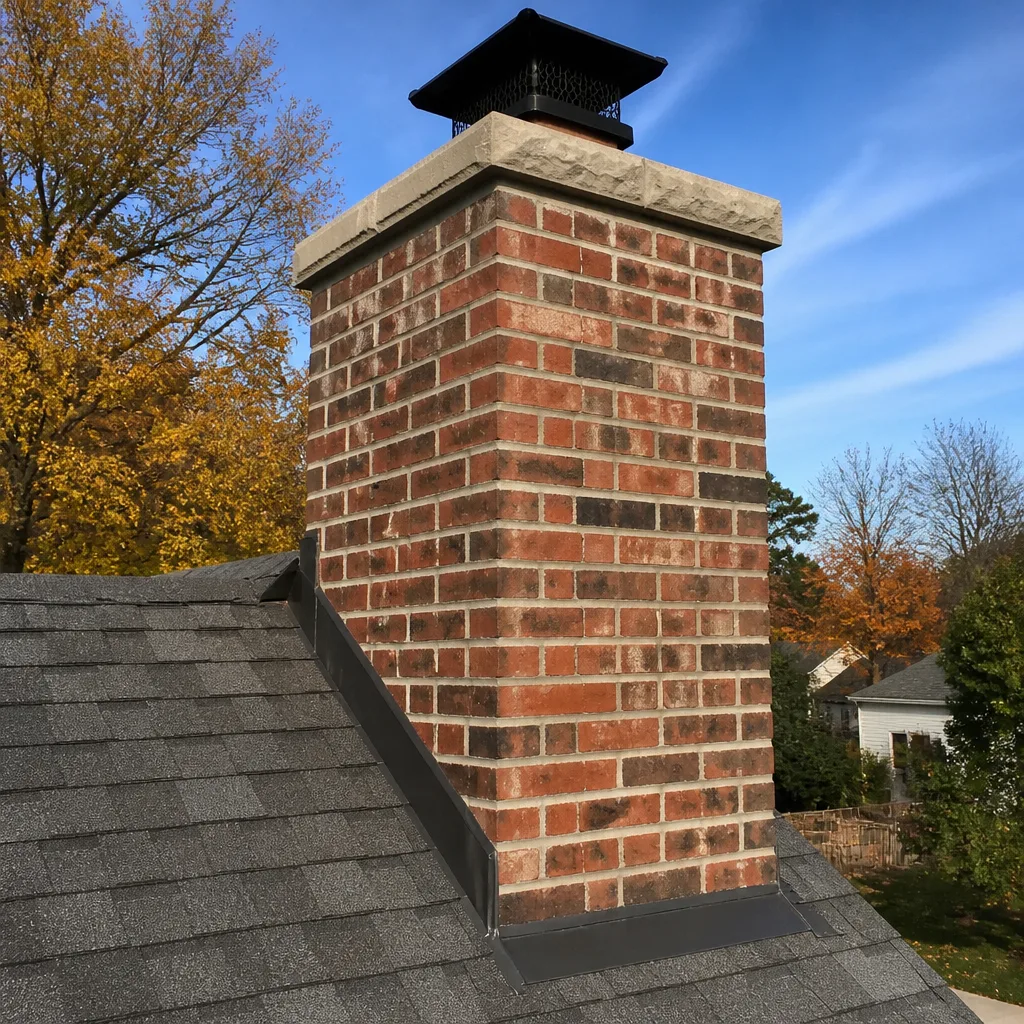 Masonry repair
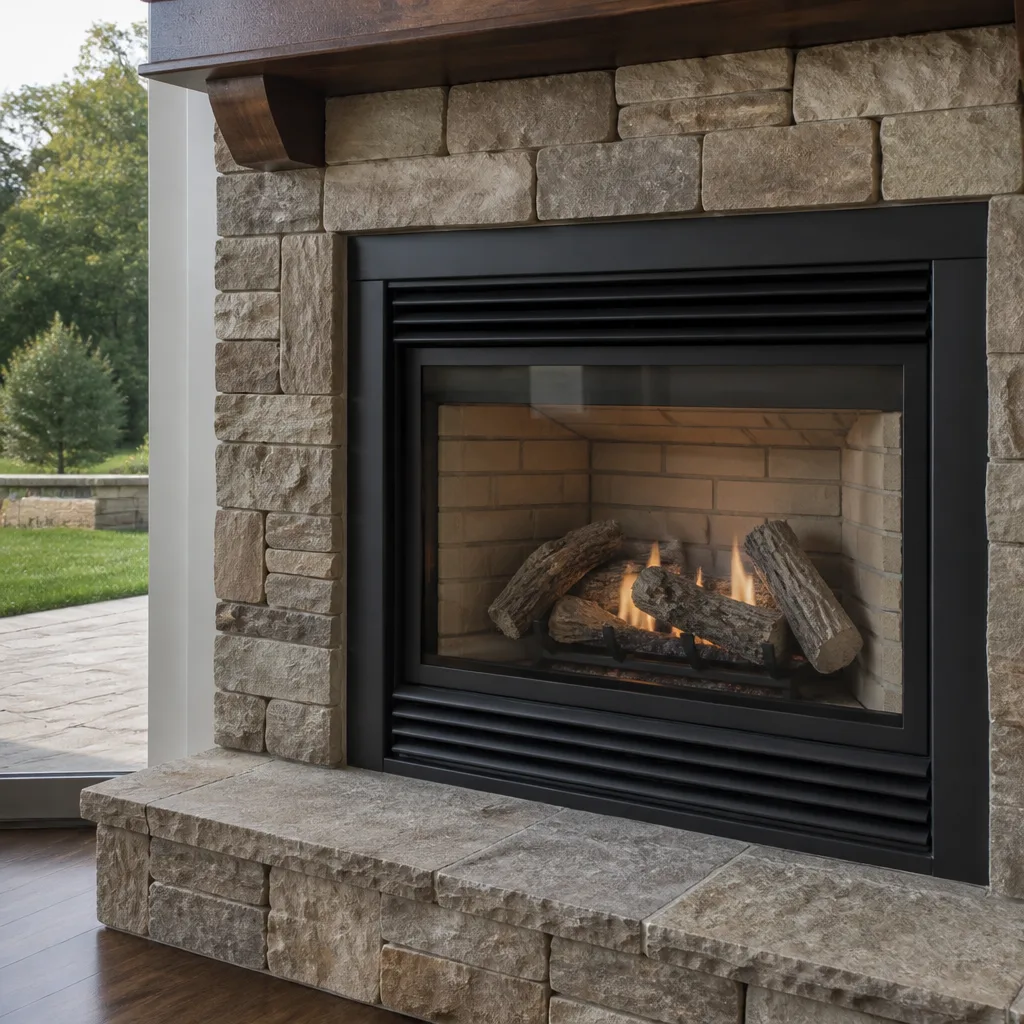 Gas fireplace service
Level 1 sweep and inspection to the NFPA 211 annual standard - flue, crown, cap, and flashing checked and photographed
Chimney sweep logs do not sweep chimneys. They loosen some creosote - which then falls where a brush and vacuum still have to collect it.
DIY vs Professional Chimney Cleaning: The College Station Homeowner’s Decision Guide
Chimney brush kits are widely available and work reasonably well for one specific task: knocking loose soot off the inside of a flue. That’s the part most people picture when they think about chimney cleaning. But a brush can’t tell you whether the liner it just scraped has a crack that could route carbon monoxide into your living room, which is the actual risk that makes professional service worth paying for. This guide gives College Station homeowners an honest look at what DIY cleaning can and can’t do, where it’s a reasonable interim step, and why the inspection half of the job is the half you can’t skip.
Quick Answer
A homeowner can remove loose soot from a flue with a brush kit, but DIY cleaning doesn’t include a real inspection, so it can leave a cracked liner or blocked vent undetected. For most College Station homes with a wood-burning fireplace, gas insert, or dryer vent, professional service is worth it because the inspection and camera check catch problems a brush can’t see. DIY is a reasonable interim step only between professional visits, never a replacement for them.
Styles & brands we work with
- Sweep & inspection
- Caps & crowns
- Flue relining
- Masonry repair
- Gas fireplace service
Table of Contents
- What DIY Chimney Cleaning Actually Accomplishes
- What a Brush and a Shop Vac Can’t Assess
- The Equipment Reality: What a Pro Setup Has That You Don’t
- Why a Visually Clean Flue Can Still Be a Carbon Monoxide Hazard
- When DIY Is a Reasonable Interim Step in College Station
- When DIY Creates Liability: Rentals, New Purchases, Gas Vents
- The Hybrid Approach: What You Can Do Between Professional Visits
- How Often Should a College Station Chimney Be Cleaned?
What DIY Chimney Cleaning Actually Accomplishes
It’s worth being precise about what a homeowner-run brush does, because the answer is narrower than most people expect. A brush and rod set clears creosote and soot deposits from the accessible flue surfaces. It improves draft to some extent. It reduces the fuel load sitting inside the pipe. That’s genuinely useful, and there’s no reason to pretend otherwise.
Here’s the limit. Chimney cleaning has two halves, and DIY only touches one of them:
- Soot and creosote removal – the brush work. This is the part you can do.
- Inspection – checking the liner, joints, cap, damper, firebox and venting for cracks, gaps, obstructions and blockages. This is the part a brush can’t do.
The second half is where the safety value lives. A chimney that drafts well and looks clean from the firebox end can still have a hairline crack in a clay tile, a disconnected liner section, or a bird’s nest lodged behind the smoke shelf. None of those show up when you run a brush down and pull it back up. In College Station, where a lot of housing went up fast during the region’s growth years and chimneys were sometimes an afterthought, those hidden problems aren’t rare. Our technicians have up to 14 years of experience and have seen plenty of flues that looked fine from the hearth and weren’t.
So the honest framing is this: DIY cleaning is a soot-removal service. Professional service is soot removal plus a safety inspection. You’re not comparing two versions of the same thing. You’re comparing half a job to a whole one.
What a Brush and a Shop Vac Can’t Assess
Let’s get specific about the list, because vague warnings don’t help anyone make a decision. When you clean your own chimney, you can’t assess:
- Liner integrity. Cracks, spalling, gaps at the joints, and separated sections are the single biggest hidden risk in a masonry or metal flue. You need to see the inside of the liner, and a brush doesn’t show you.
- Flue obstructions. Nests, leaves, and debris fall into flues year-round. A brush pushes some of it around; it won’t confirm the flue is clear top to bottom.
- Creosote staging. Glazed, tar-like creosote (the kind that ignites) doesn’t come off with a homeowner brush. Recognizing the difference between a light dusting and a glazed deposit is a judgment call.
- Connector condition on gas and wood stoves. The pipe that joins an appliance to the flue is where leaks and corrosion hide.
- Cap and crown condition. A cracked crown or missing cap lets water in, and water is what destroys masonry flues over time.
- Draft and pressure. Whether your chimney is pulling properly under load is something you can only really confirm with a test under operating conditions.
None of those are things a motivated homeowner can eyeball with a flashlight up the firebox. That’s the gap the professional half closes.
The Equipment Reality: What a Pro Setup Has That You Don’t
This is where the DIY-vs-pro comparison gets concrete. A homeowner brush kit is built to do one thing. A professional setup is built to clean and see. Here’s the comparison, framed honestly:
- Cleaning tools. A homeowner kit uses a poly or wire brush on flexible rods. A professional setup typically uses a rotary cleaning system that spins a whip head inside the flue, which cleans glazed creosote far more effectively and does less damage to the liner surface than a stiff brush forced down by hand.
- Camera inspection. This is the big one. A liner camera lets a technician see the full inside of the flue, joints and all, and record what they see. A homeowner kit doesn’t include one, and you can’t buy the same visibility off a shelf.
- Smoke or draft testing. A smoke test confirms the flue is drawing correctly and that no combustion gases are leaking into the home through cracks or gaps. A brush can’t run that test.
- Drop cloths, containment and a proper vacuum. Professional equipment keeps soot out of the room. A homeowner setup usually means a dusting of soot across the hearth and furniture, no matter how careful you are.
- Assessment of what to do next. The value isn’t just the tools. It’s the trained eye that knows what a normal liner looks like and what a failing one looks like.
When our team finds a problem, we can fix it, and we work with professional-grade materials from manufacturers like DuraFlex and HeatShield. That matters in a way that’s easy to miss: a homeowner who cleans their own flue, spots a crack, and then has to go find a repair specialist is now managing two contractors and a diagnosis they’re not sure they trust. With a repair-capable chimney sweep, the inspection, the photo evidence, and the repair conversation all happen in one visit with one accountable specialist. No second vendor, no referral runaround.
Why a Visually Clean Flue Can Still Be a Carbon Monoxide Hazard
This is the single reason the DIY-only approach is a riskier bet than it looks. A flue can look clean, draft reasonably, and still have a path for carbon monoxide to leak back into the home. Soot removal and CO safety are related but separate questions.
Here’s the mechanism, in plain terms. Your chimney’s job is to carry combustion gases up and out. That only works if the flue is intact from bottom to top. A cracked tile, a gap at a liner joint, or a disconnected section gives those gases an escape route into wall cavities, attic spaces, or back into the room. You won’t see it from the firebox. You won’t smell it. Carbon monoxide is colorless and odorless, which is exactly why the risk is real, and why combustion appliances belong in rooms with working CO alarms.
A brush cleaning doesn’t test any of this. It leaves the flue looking better without confirming it’s sealed. That’s the false sense of safety the thesis of this guide is about, and it’s more dangerous than doing nothing at all, because a homeowner who does nothing knows their chimney is untouched. A homeowner who brushed the flue for twenty minutes on a Sunday may believe the chimney is fine and skip the professional visit entirely.
This is why the inspection component is non-negotiable regardless of who does the brushwork. If you’re going to clean your own flue, the only responsible version of that is to still book an annual inspection. Which raises a fair question: if you’re paying for the inspection anyway, what exactly are you saving?
When DIY Is a Reasonable Interim Step in College Station
We’re not going to tell you never to touch your own chimney. For a certain kind of homeowner, in certain situations, a DIY cleaning between professional visits is a fair interim move. It’s reasonable when:
- It’s the middle of the season and you’ve had a lot of fires. A mid-winter brush-out to knock down soot and keep draft quality up, before the annual professional visit, is low-risk for a confident homeowner.
- You’ve already had a clean inspection this year. If a professional has confirmed the liner is sound within the last year, you know the structure is in good shape. Clearing soot yourself doesn’t create a blind spot you didn’t already have covered.
- The chimney is easily and safely accessible. If you can reach the flue from the firebox without climbing on a roof, and the flue is a straight run, the mechanics are manageable.
- You’re dealing with light, dry soot, not glazed creosote. Light soot brushes off. Glazed deposits don’t, and forcing a brush into them can damage the liner.
Notice what’s missing from that list: any version of “I’ll just do it myself instead of the annual visit.” DIY between visits is reasonable. DIY instead of visits is where the false-safety problem starts. In our experience, the College Station homeowners who get into trouble are the ones who brushed once, felt good about it, and let the annual inspection slide for a few years. The flue gets cleaned; the crack gets missed.
One safety note, and we mean this plainly. Roof access and the top of a chimney are not a place to improvise. If clearing your flue requires getting on the roof, stop there. Roof work at height is a job for someone set up for it, and a slip off a roof to save a service call is a terrible trade. If the flue is only reachable from the roof, that alone makes it a professional job.
When DIY Creates Liability: Rentals, New Purchases, Gas Vents
Three College Station scenarios flip the calculus hard toward professional service, and the reasons are different in each case.
Rental properties. If you own a rental, you’re accountable for the safety of the people living there. A self-cleaned chimney with no inspection record leaves you with no evidence that the flue was checked. If a problem surfaces, “I brushed it myself” is a weak position. An inspection with documented findings is a much stronger one, and it’s the kind of thing a property owner shouldn’t skip.
Recently purchased homes. A new-to-you house is the classic case where you don’t know the chimney’s history. The previous owner’s maintenance habits are a mystery, and the flue could have years of deferred deposits or an existing crack nobody mentioned. Buying a home in College Station means a lot of things happened before the keys changed hands. A professional inspection with a camera is how you find out what shape the chimney is in before your first fire, and dry soot alone won’t tell you.
Gas appliance vents. Gas inserts, gas fireplaces, and any appliance vented through the chimney run on a different risk profile than wood. Gas combustion produces moisture and, if the venting is compromised, carbon monoxide with no smell and no smoke to tip you off. There’s no soot pattern to read, no obvious smoke where it shouldn’t be. The only way to know a gas flue is venting correctly is a proper inspection and draft test. We’d say a gas appliance vent is close to a hard no on DIY, because a brush gives you no information about whether the thing is safe to run.
If any of these describe your situation, the professional visit isn’t a luxury or an upsell. It’s the accountability layer that DIY can’t provide.
The Hybrid Approach: What You Can Do Between Professional Visits
The best approach for most College Station homeowners is neither pure DIY nor pure delegation. It’s a hybrid: professional cleaning and inspection on a regular schedule, plus smart maintenance on your end between visits. Here’s what you can own.
- Know your burn material. Burn dry, seasoned wood. Wet wood smokes more, deposits more creosote, and gives you less heat for the effort. Keeping your wood dry and covered is a maintenance choice, not a repair.
- Watch the firebox and the smoke. A smoky fire, poor draft, or soot staining around the firebox are early warning signs. So is a flue that stops drafting the way it used to. Note them and mention them at your next inspection.
- Keep the cap clear. Leaves, debris, and the occasional nest land on caps. Glancing up at the cap periodically is a reasonable check.
- Test your CO alarms. This is the most important thing on this list, and it costs nothing. Working CO alarms on every level of the home, in or near sleeping areas, are your backstop for anything a visual check would miss.
- Don’t confuse a clean-looking hearth with a clean flue. A tidy firebox tells you nothing about the inside of the pipe. Both matter, and only one of them is visible from where you stand.
What you should leave to the professional: anything involving the roof, the liner, the top of the stack, the damper assembly, or the connector pipe on a gas or wood appliance. Those are where the equipment gap and the safety stakes both get real. If you’ve got a wood-burning setup and want to know what a proper inspection covers, that’s what our chimney repair team handles alongside cleaning.
And it isn’t only the chimney. Dryer vents are one of the most overlooked fire risks in a house, and a hybrid maintenance habit with a professional dryer vent cleaning in the mix keeps the whole exhaust side of your home in order. From the firebox to the dryer vent, we handle the full fire-safety picture, which is the reason our name comes from the chimney itself. A saddle, or cricket, is the structure that keeps water out of your stack, and a company that names itself after chimney anatomy takes the trade seriously from the ground up.
How Often Should a College Station Chimney Be Cleaned?
For most homes that burn wood regularly, an annual professional cleaning and inspection is the sensible rhythm. If you burn occasionally, you can go longer, but the annual inspection is the part worth keeping even in a light-burning year.
The honest answer is that how often depends on what and how much you burn. Consider:
- How frequently you have fires. A household that burns most of the season will need more attention than one that lights a fire a few times a year.
- What you burn. Dry, seasoned wood leaves less creosote than wet or unseasoned wood, and much less than treated scrap or fire-starting fuel.
- The condition of the flue. An older masonry flue or one with any existing damage deserves a closer look than a newer, sound liner.
- Whether the appliance is gas or wood. A gas appliance needs its venting and draft checked even when there’s nothing to sweep.
Our technicians have up to 14 years of experience, and the pattern is consistent: homes that get checked every year catch small problems while they’re small. Homes that skip a few years end up addressing a cracked liner or a masonry repair instead of a routine cleaning. When we find a problem, we can fix it in the same relationship, using professional-grade materials from brands like DuraFlex, Gelco, and Olympia Chimney, so you’re not hunting for a second contractor to handle the repair. If it can wait, we’ll tell you it can wait. Nothing gets recommended without camera evidence you can see for yourself.
Common Mistakes to Avoid
- Skipping the inspection because the flue looks clean. Soot removal without a camera inspection leaves the liner unchecked, which is exactly the blind spot this guide is about. A clean flue is not a confirmed-safe flue.
- Forcing a brush into glazed creosote. Hard, tar-like creosote doesn’t yield to a homeowner brush, and forcing it can crack the liner. That’s a problem to identify, not brute-force.
- Climbing on the roof to “just check” the cap. Roof access at height is a real slip risk, and it’s a job for someone set up for it. Never trade a fall for a saved service call.
- Assuming a gas fireplace doesn’t need attention. Gas vents have no soot pattern to read, so the only way to know the venting is sound is a proper inspection and draft test. The absence of smoke doesn’t prove anything.
- Letting a new home’s chimney go unexamined through the first season. A recently purchased home is the worst case for unknown upkeep, and the flue could have years of deposit or damage from a previous owner.
- Cleaning the chimney while forgetting the dryer vent. Dryer vents are a common overlooked fire risk in College Station homes, and they need periodic professional attention just like the flue.
- Doing nothing instead of doing it right. A skipped cleaning and inspection isn’t neutral if you believe the chimney is fine. It’s the false sense of safety that makes the whole thing riskier.
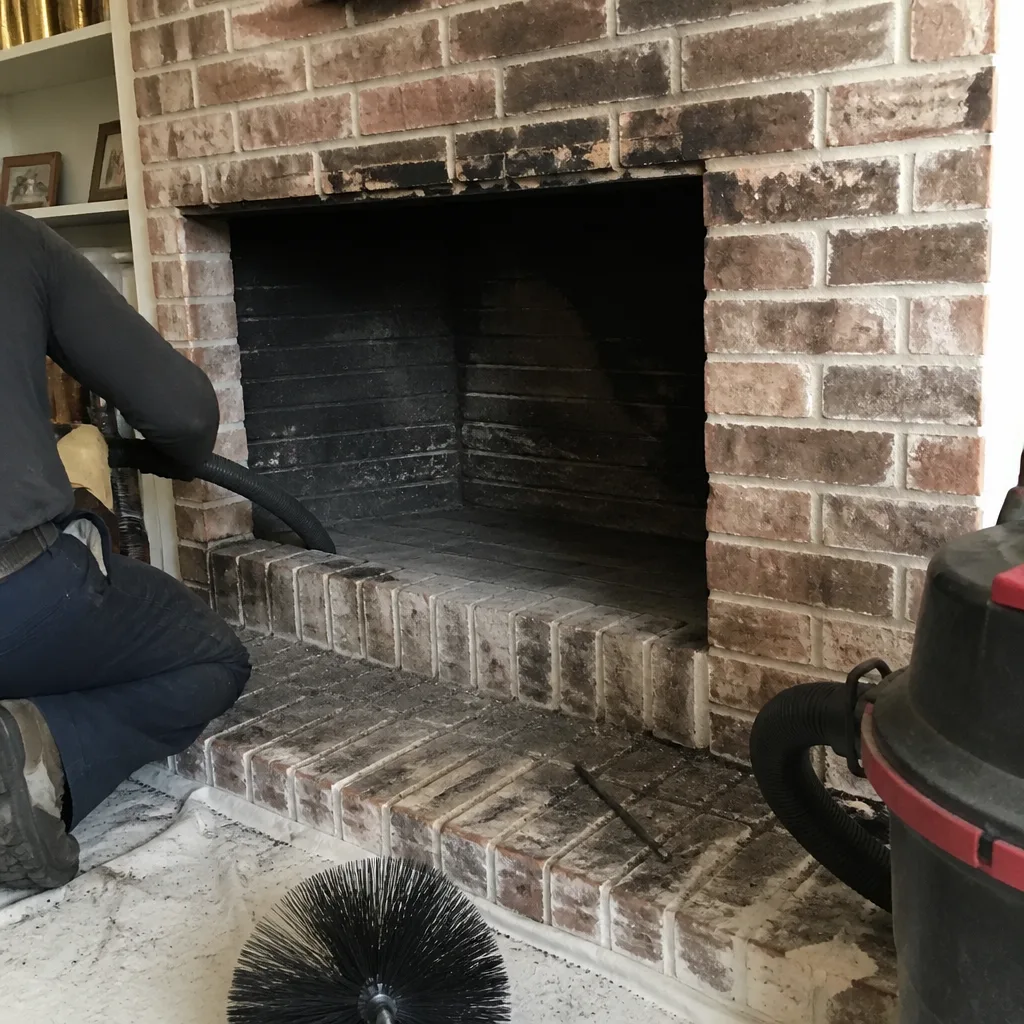
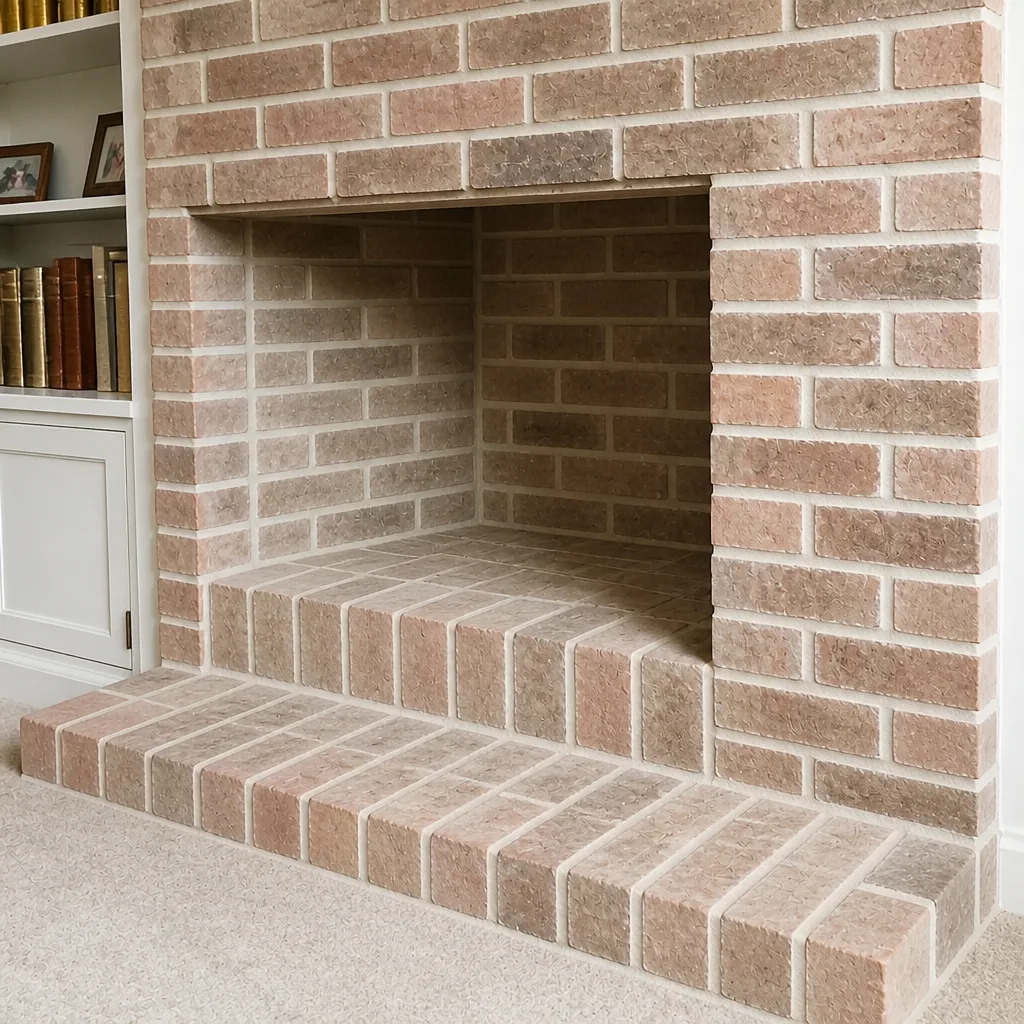
See the difference
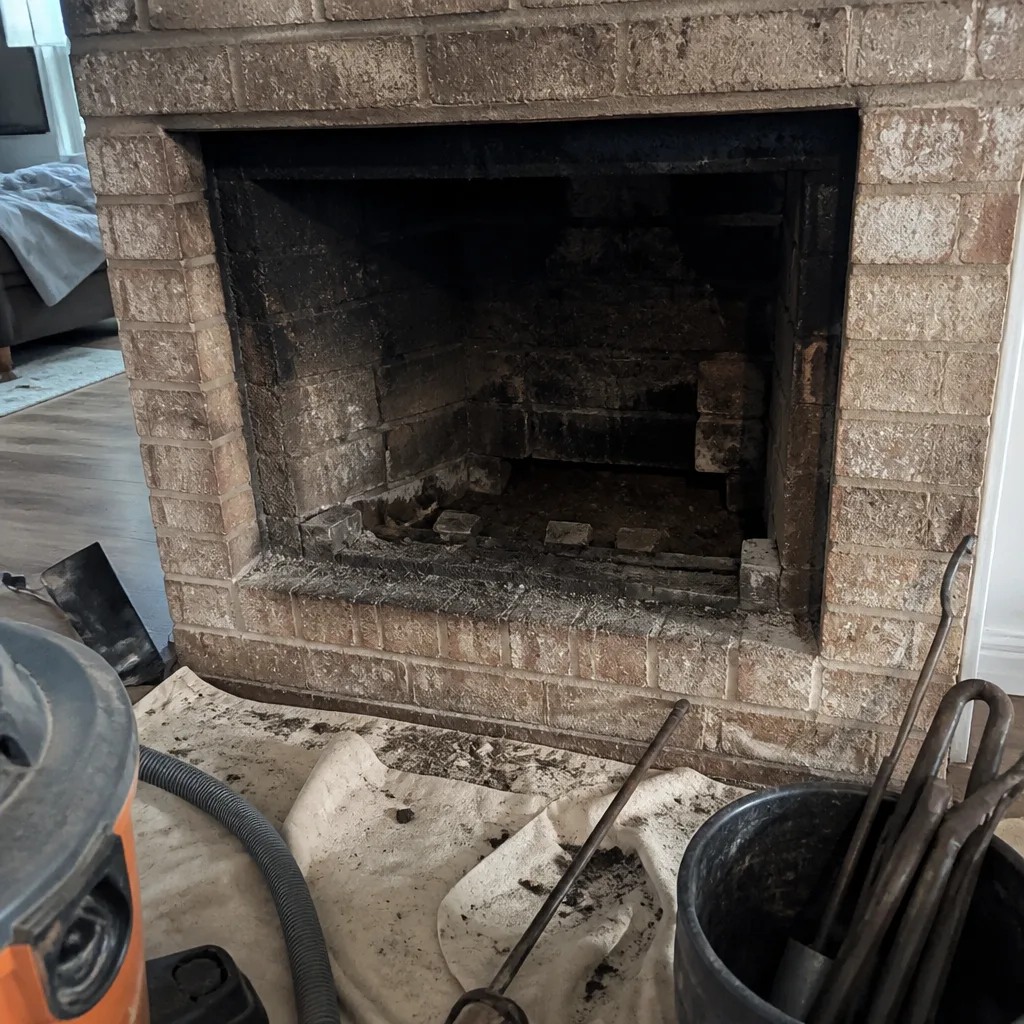 Before
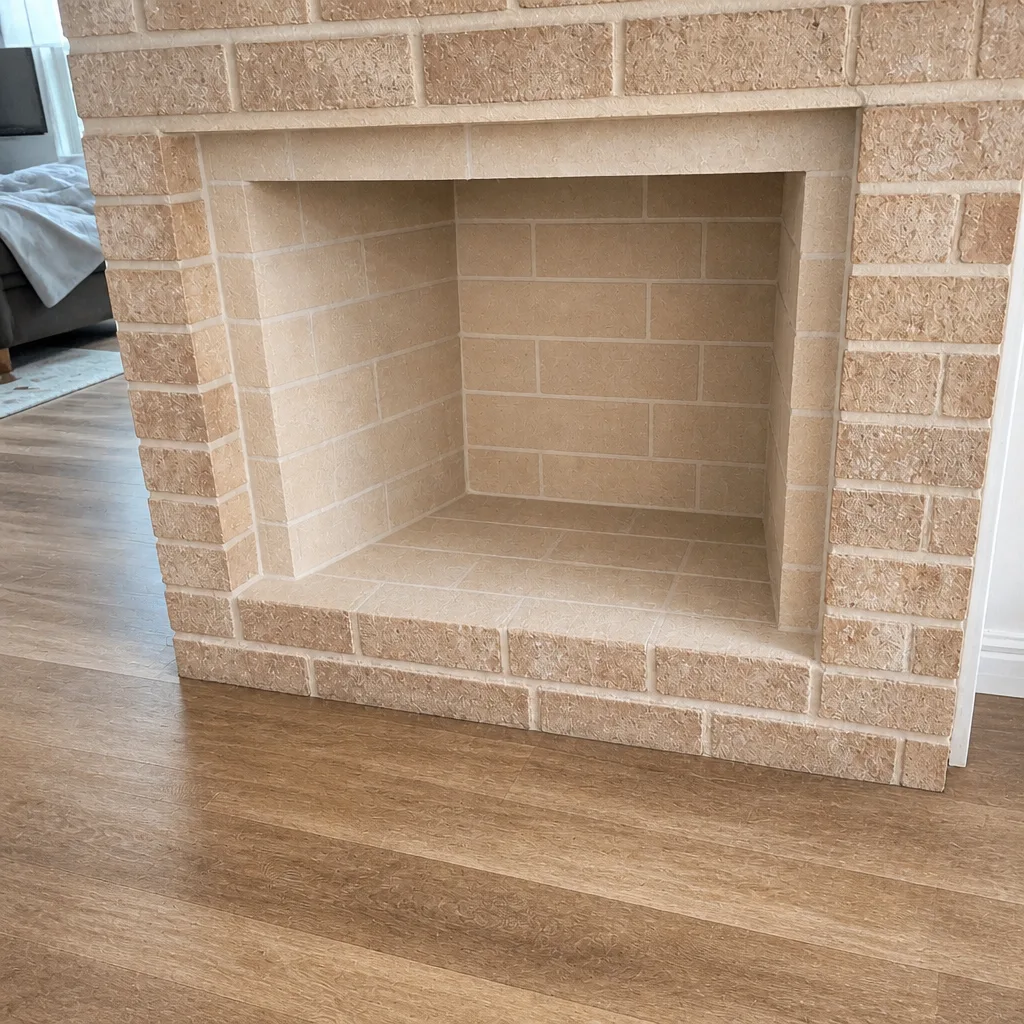 After
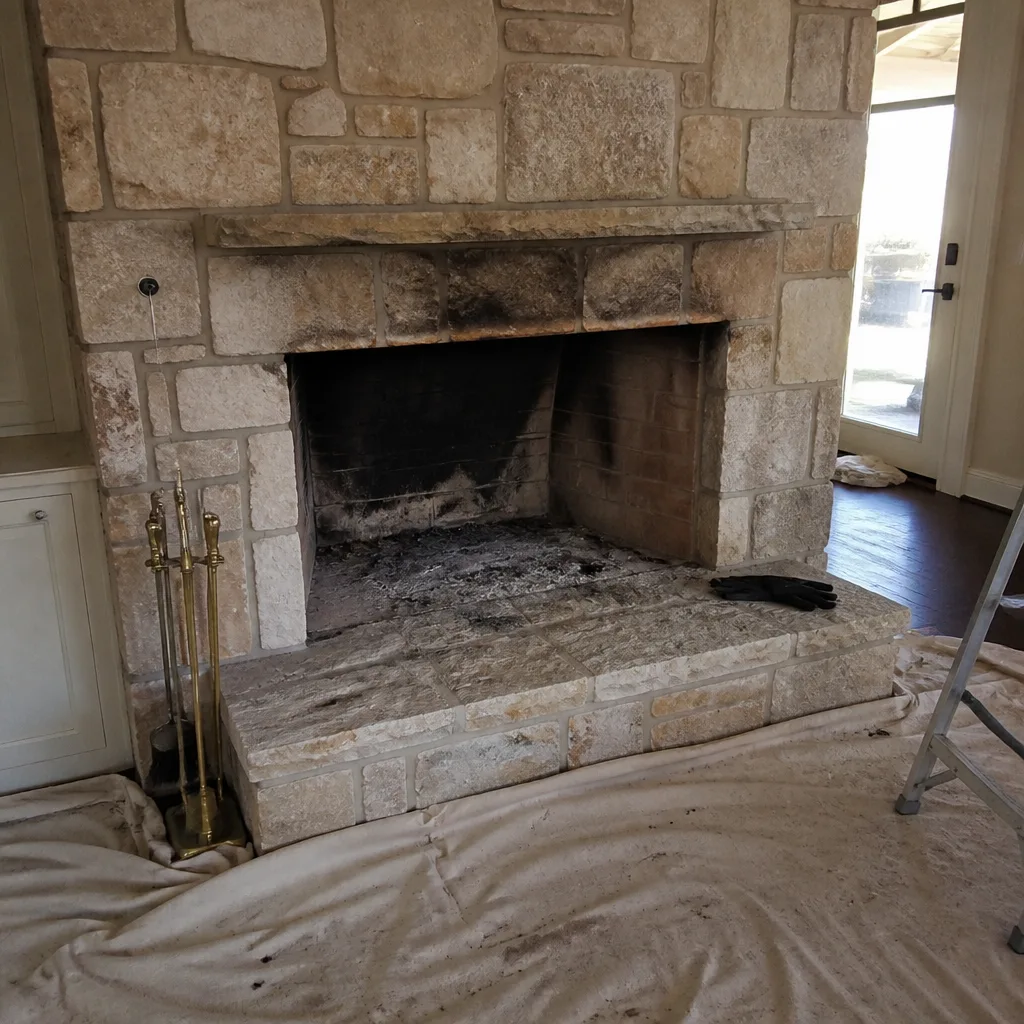 Before
 After
 Before
 After
When to Call a Professional
Call a professional when you can’t see the inside of your flue, when the flue is only reachable from the roof, when you own a rental or just bought a house, when the appliance is gas, or when you notice poor draft, soot staining, or a smoky fire that wasn’t there before. Those are the situations where DIY leaves a blind spot with real safety stakes. If you’re not sure which camp you’re in, the free estimate settles it. Saddle Chimney Sweep offers free estimates in College Station. Call (844) 538-0969. We answer 24/7. Fast dispatch from 7am to 7pm, Sunday through Friday. The written estimate sets the final price, and you’ll get straightforward assessment with honest repair options and professional materials.
Frequently Asked Questions
Typical chimney cleaning in College Station runs in a modest range and is priced per job, with the final price set by the written estimate so there are no surprises. The exact cost depends on your flue, the appliance type, and what the inspection turns up. Call (844) 538-0969 for an exact quote. Estimates are free, and the price is set per job by the written estimate.
You can remove loose soot from your own flue with a brush kit, and for a mechanically inclined homeowner that’s a reasonable interim step between professional visits. What you can’t do is inspect the liner, check for cracks or obstructions, or test the draft, which is the part that actually protects your home. If you clean your own flue, still book the annual professional inspection. Call (844) 538-0969 to schedule one.
Only if the inspection shows the liner is cracked, separated, or otherwise failing, and you should see the camera evidence yourself before deciding. A flue that’s intact doesn’t need a liner just because it’s old, and if a problem can wait safely, we’ll tell you it can wait. Nothing gets recommended without evidence you can see. Call (844) 538-0969 for a free estimate, and we’ll walk you through what the camera found.
For most homes that burn wood regularly, an annual cleaning and inspection is the sensible rhythm, and even in a light-burning year the inspection is worth keeping. How much you burn and what you burn both shift that frequency. If you’re not sure where your chimney stands, call (844) 538-0969 for an exact quote. Estimates are free.
Short term, nothing dramatic; the real risk is what builds up unnoticed, like creosote deposits that raise chimney fire risk and a liner crack that could route carbon monoxide into your home. A flue that looks clean can still be unsafe, and skipping the inspection is how that goes undetected. Call (844) 538-0969 for an exact quote before the next burn season. Estimates are free.
Yes, because a gas appliance produces carbon monoxide that lacks the smell and smoke that would tip you off to a venting problem. There’s no soot pattern to read, so the only way to confirm the venting is sound is a professional inspection and draft test. Call (844) 538-0969 to book one. Estimates are free, and the written estimate sets the final price.
The Bottom Line
DIY chimney cleaning removes soot, and that’s worth knowing. It does not inspect the liner, test the draft, or confirm your home is protected from carbon monoxide, and that gap is the reason professional service exists. For most College Station homeowners, the smart play is a hybrid: professional cleaning and inspection on an annual rhythm, plus careful maintenance on your own end between visits. Rentals, newly purchased homes, and gas appliance vents should go straight to a professional. Nothing we recommend happens without camera evidence you can see for yourself, and if a problem can wait safely, we’ll say so. Call (844) 538-0969 for a free estimate. We answer 24/7. Fast dispatch from 7am to 7pm, Sunday through Friday.
For homeowners elsewhere in the area, we also serve the surrounding parts of College Station, and you can start with the full range of what we do at Saddle Chimney Sweep.
Written by the team at Saddle Chimney Sweep.