
Last updated November 15, 2026
 Sweep & inspection
 Caps & crowns
 Flue relining
 Masonry repair
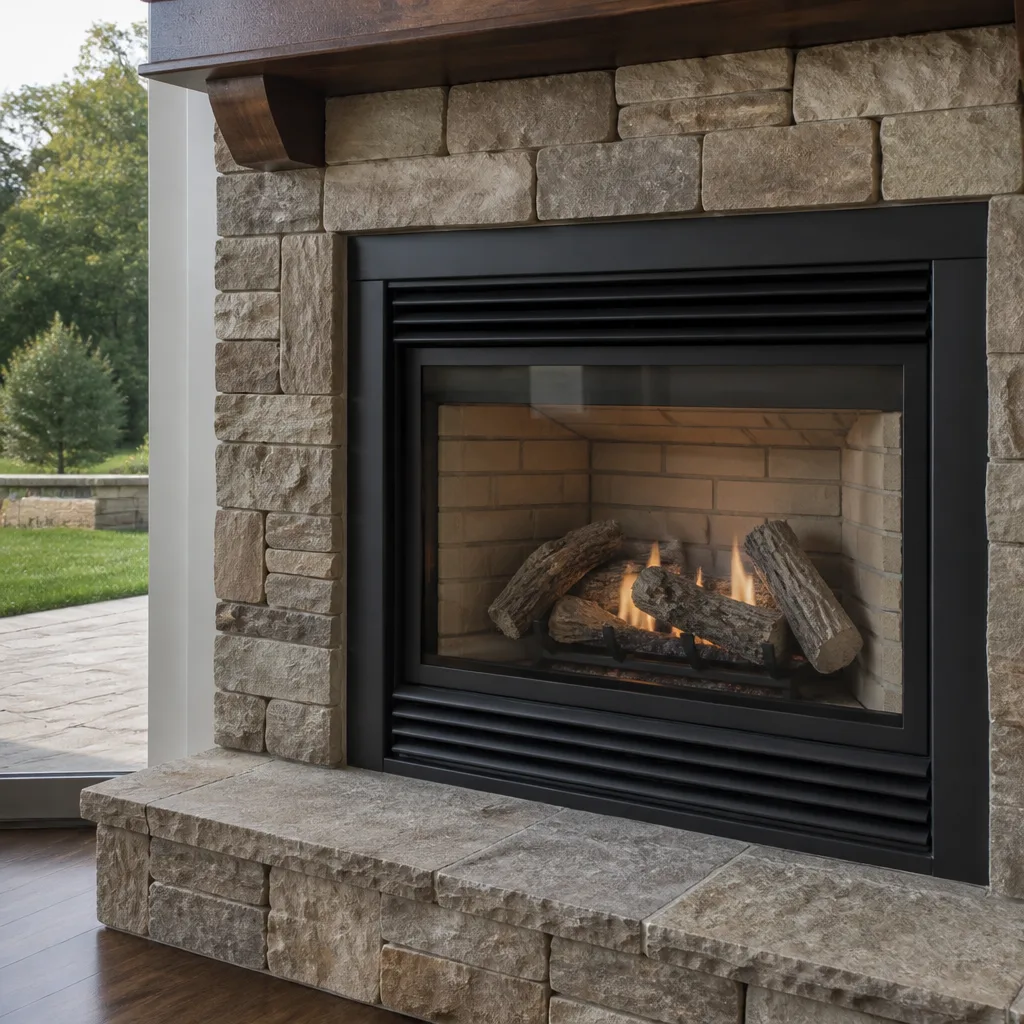 Gas fireplace service
Level 1 sweep and inspection to the NFPA 211 annual standard - flue, crown, cap, and flashing checked and photographed
Chimney sweep logs do not sweep chimneys. They loosen some creosote - which then falls where a brush and vacuum still have to collect it.
Chimney Sweep Troubleshooting in College Station: Common Problems and How to Fix Them
A smoky firebox after a hard rain is almost never a draft problem. In our experience around College Station, it’s a cap or crown issue that gets misdiagnosed as a flue-sizing fault more often than any other single symptom. That distinction matters, because one repair is minor and the other can run into real money. This guide maps the warning signs you can actually see to the mechanical causes behind them, so you walk into the conversation with a technician already knowing roughly what you’re dealing with. We’ll cover the regional culprits specific to College Station, how to tell a draft problem from a blockage, why clay soil cracks fireboxes, and how to photograph a symptom so an estimate is accurate before anyone climbs on the roof.
Quick Answer
Most chimney problems in College Station come down to a few recurring causes: a missing or damaged cap letting rain in, cracked mortar from high humidity, foundation movement from clay-heavy soil cracking the firebox and smoke chamber, animal nesting in an unused flue, and glazed creosote built up from infrequent fires. Name the symptom correctly and a sweep can diagnose and fix it in one visit. Guess wrong and you’ll pay for repairs you don’t need. Start by watching how the fireplace behaves, then get a camera inspection before agreeing to any liner or masonry work.
Styles & brands we work with
- Sweep & inspection
- Caps & crowns
- Flue relining
- Masonry repair
- Gas fireplace service
Table of Contents
- Is It a Draft Problem or a Blockage?
- Why Clay Soil Cracks Fireboxes and Smoke Chambers
- The Humidity and Creosote Connection
- Rusted Damper Plate vs. Warped Damper Frame
- Caps, Crowns, and the Leaks They Cause
- Animal Nesting in Unused Flues
- How to Photograph a Chimney Symptom Safely
- Repair Materials That Actually Last
Is It a Draft Problem or a Blockage?
A fireplace that smokes into the room is either fighting its own draft or trying to pull air through something blocking the flue. The two look identical from the sofa, but they have almost nothing to do with each other. A draft problem means the house is too tight, or the flue is too short or too cold to pull. A blockage means smoke physically can’t get out. One gets fixed with air intake and warm-up technique. The other needs a brush, a camera, and sometimes a specialist who removes a nest.
The good news is that simple observation tells you which one you have. Watch the fire for ten minutes and note the following.
- Smoke rolls out at the top of the firebox opening the moment you light a fire, even on a mild day, and settles once the flue warms. That points to a cold flue, not a blockage.
- Smoke puffs back into the room whenever a kitchen or bathroom exhaust fan kicks on. Classic negative pressure. The house is pulling air down the chimney faster than the fire can push it up.
- Smoke comes out no matter how long the fire burns. A hot fire that still smokes hard usually means a blockage somewhere above.
- You smell a damp, earthy odor even when no fire is lit. Sometimes creosote, sometimes a nest or debris, sometimes water sitting in the smoke chamber.
In College Station, the tight-house draft problem shows up in newer construction where the envelope is sealed hard and no make-up air is provided for the fireplace. The blockage problem shows up in homes where the fireplace sat unused for a season or two, and something moved in. If you can name which one you have before you call, the technician arrives with the right tool and doesn’t spend the first hour guessing. That’s the difference between a scheduled chimney sweep and a callback.
Why Clay Soil Cracks Fireboxes and Smoke Chambers
The soil around College Station has a high clay content, and clay does something inconvenient under a foundation: it swells when wet and shrinks when dry. That cycle pushes and pulls on everything sitting above it, including the chimney. Over time, small movements telegraph up through the masonry and show up as hairline cracks in the firebox walls and the smoke chamber above. What looks like cosmetic crazing in the brick is sometimes a sign the whole structure has shifted a fraction of an inch.
Here’s why that matters. The firebox and smoke chamber are the parts of the chimney that contain the hottest gases and the most turbulent flow. A crack in the firebox lets heat and carbon monoxide escape into the surrounding masonry instead of going up the flue. A crack in the smoke chamber does the same thing, but higher up, where you’ll never see it without a camera. Neither crack is visible from the living room.
A chimney technician checks for these signs during an inspection:
- Vertical and stair-step cracks in the firebox brick, especially at the corners where the walls meet the floor.
- Gaps where the firebox meets the damper frame, often wider on one side than the other.
- White, powdery staining on the firebox walls, which points to moisture moving through the masonry.
- Smoke staining at mortar joints above the damper, visible only with a camera.
- A firebox that feels uneven underfoot, which can signal movement below.
When we find a crack, we repair it with a resurfacing product rather than a thin mortar smear. HeatShield is designed for exactly this: it rebuilds the firebox and smoke chamber surface with a refractory material that bonds to the existing masonry. A patch that fails after a season just hides the problem until it’s bigger. If your firebox shows signs of movement, call us and we’ll schedule a camera inspection before recommending anything. Read more about how we approach College Station homes and the repair work we do.
The Humidity and Creosote Connection
East Texas humidity does something to a wood-burning fireplace that dry-climate guides never mention: it accelerates creosote glazing even in a fireplace that only sees a handful of fires a year. Creosote forms in three stages. Stage 1 is a flaky, soot-like deposit you can brush away. Stage 2 is a crusty, brittle layer that’s harder to remove. Stage 3 is glazed creosote, a shiny, tar-like coating that has baked onto the flue walls and cannot be swept off with a brush. It has to be chemically treated or removed with a rotary tool.
The humidity connection works like this. Wood that has been sitting outside in East Texas absorbs moisture from the air. Damp wood burns cooler and smokier. Smokier fires deposit more creosote. And a flue that stays humid between fires gives that creosote a chance to cure into the hard, glazed stage faster than it would in a dry climate. A lightly used fireplace in College Station can glaze up in a way that surprises a homeowner who assumes infrequent use means no buildup.
Signs you’re dealing with glazed creosote:
- A shiny, tar-like sheen on the flue walls visible through the damper with a flashlight.
- A strong, acrid smell even when no fire has burned recently.
- Smoke that backs up more than it used to, because the flue opening has narrowed.
- A hard, black crust near the top of the firebox that a brush won’t cut.
If the glaze is thick and widespread, a standard sweep won’t clear it. That’s when a technician steps in with a rotary tool or a chemical treatment, and it’s also when we evaluate whether the flue liner can take another season before it needs to be replaced. Glazed creosote is the leading contributor to chimney fires, so it’s not a deposit you leave for next year. Get it looked at.
Rusted Damper Plate vs. Warped Damper Frame
Two dampers can look identical when you shine a light up into the firebox, and they need completely different repairs. A rusted damper plate is a flat metal disc or blade that has corroded at the pivot or the edge, usually from moisture coming down the flue. A warped damper frame is the metal surround that holds the plate, and it has bent or deformed, usually from a chimney fire or repeated overheating. The plate is the moving part. The frame is the fixed housing. Replacing one is a straightforward repair. Fixing the other can mean rebuilding the damper assembly or the throat of the fireplace.
How to tell which you have:
- Open and close the damper by hand. If it sticks or binds but still moves, you likely have a rusted plate on a pivot.
- Look at the edges of the plate. Rust shows as orange or brown flaking. Warp shows as a gap that isn’t even on both sides.
- Check whether the plate seats flat when closed. If one corner lifts while the others sit down, the plate is bent.
- Look at the frame where it meets the firebox brick. Cracks radiating from the frame corners suggest heat damage, which points to a warped frame.
- If the damper won’t stay open on its own, the pivot or the plate is the culprit, not the frame.
Rust almost always traces back to a missing or damaged cap at the top of the flue. Fix the leak and the new plate stays healthy. A warped frame, on the other hand, is usually a sign the chimney has already seen more heat than it’s designed for. That’s a signal to check the flue liner and the smoke chamber for damage too, not just swap the damper and move on. When we replace a damper, we install a heavy-duty cast product from Olympia Chimney or Copperfield rather than a stamped hardware-store substitute. The frame sits inside the firebox and takes the same heat the fire does, so the material quality matters.
Caps, Crowns, and the Leaks They Cause
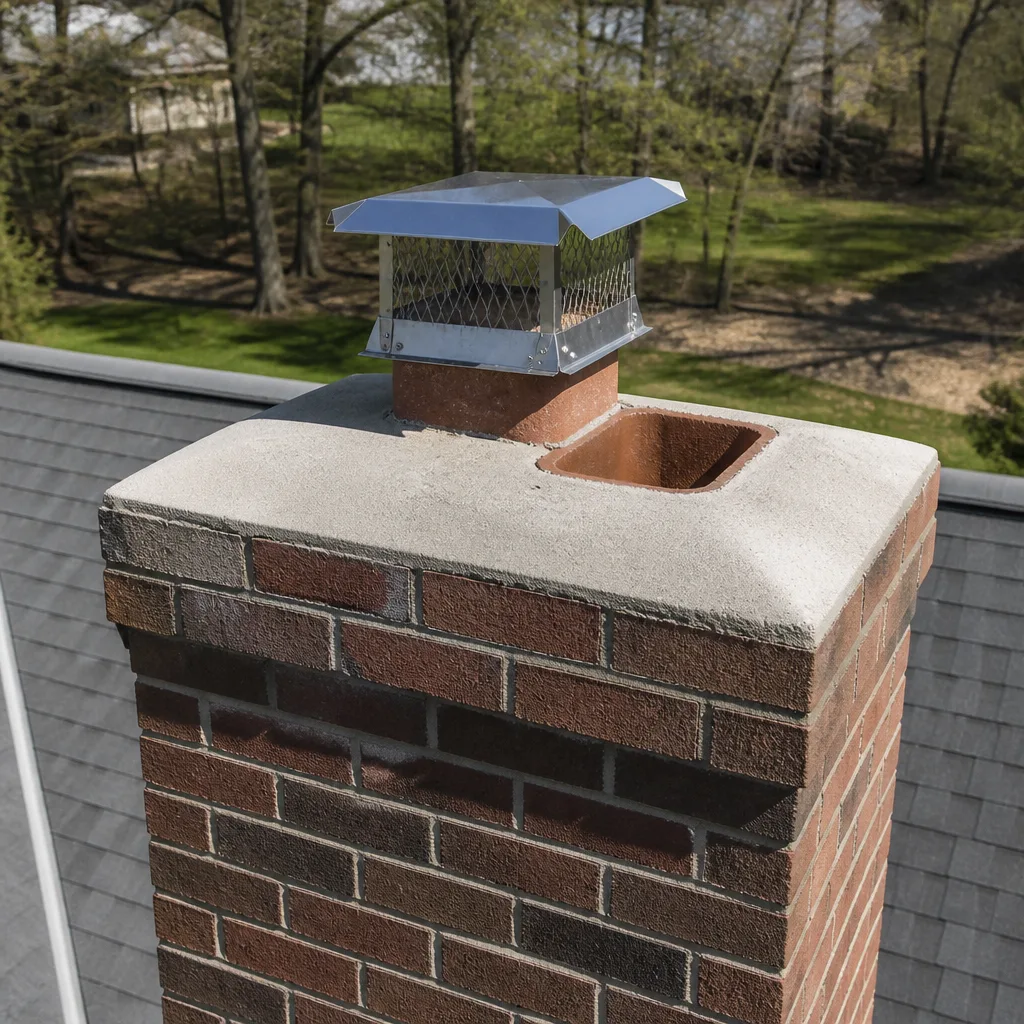
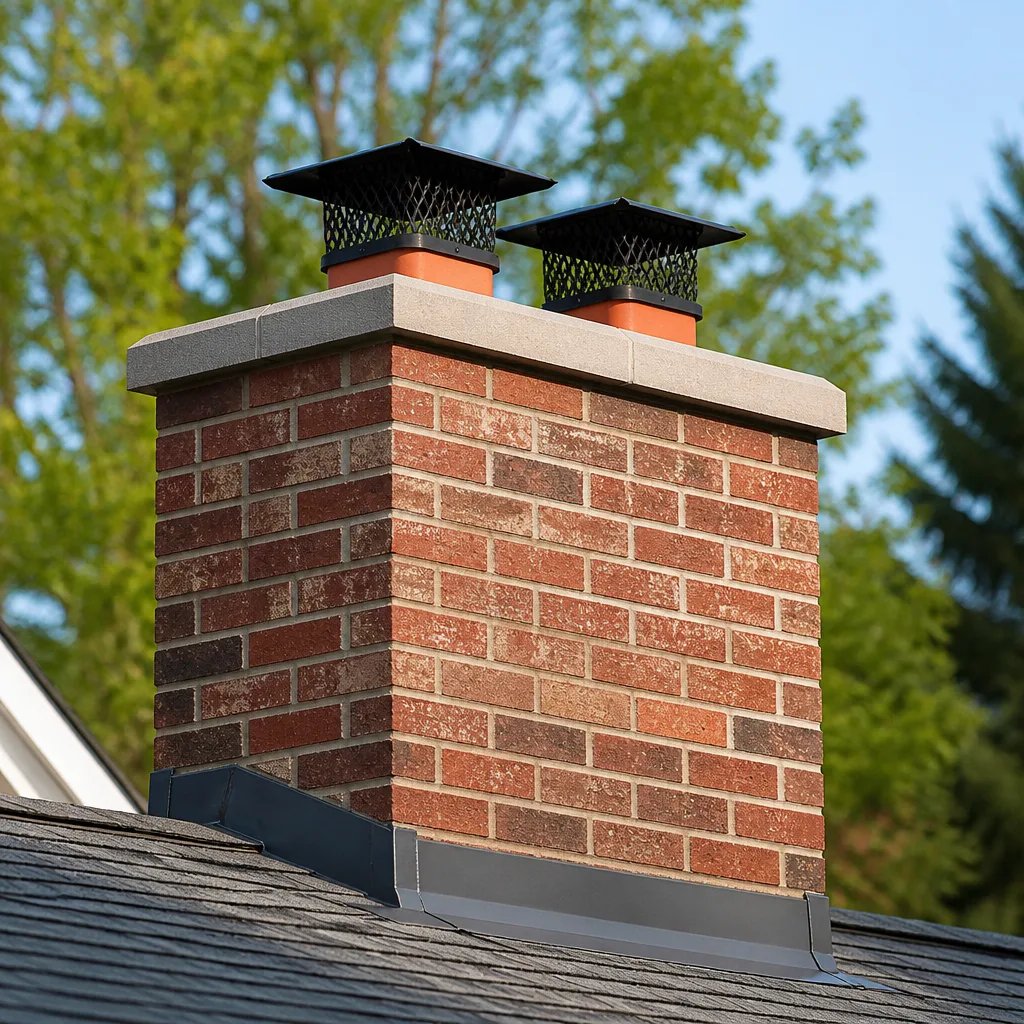
Most water damage in a College Station chimney starts at the top. The cap is the metal or mesh cover over the flue that keeps rain, birds, and sparks out. The crown is the concrete slab at the top of the masonry that sheds water away from the flue. When either fails, water enters the chimney and travels down through the smoke chamber, the damper, and sometimes into the firebox itself. The result is a smoky fire, a rusted damper, and a smell that won’t go away.
Look at the top of the chimney from the ground with binoculars. You’re checking for:
- Missing cap or mesh. If you can see straight down the flue from the ground, the cap is gone or damaged.
- Rusted cap. A cap that has corroded through no longer blocks water. Stainless steel caps last longer than galvanized ones.
- Cracked crown. Any visible crack, or a crown that has pulled away from the flue tile, needs sealing or rebuilding.
- Loose or missing flue tile. A flue tile that’s cracked or shifted lets water into the masonry and smoke into the attic.
A cap replacement is a straightforward job that solves the leak and the animal problem in one step. A crown rebuild is more involved but still well within a single visit. Both are worth doing before the next rainy season. If you’ve noticed water in the firebox after rain, that’s the symptom you bring to the estimate, and it’s the reason we photograph everything at the top of the flue before quoting a repair.
Animal Nesting in Unused Flues
A fireplace that sits unused for a season or two in College Station becomes a prime nesting site. Birds, squirrels, and raccoons find their way through a missing cap or a gap between the crown and the flue tile, and they build. The result is a blocked flue that behaves nothing like a draft problem. A blocked flue means smoke has nowhere to go, and it also means a fire can be burning in a chimney that’s effectively sealed off at the top.
Here’s the trap: a homeowner relights the fireplace after a summer off, gets smoke in the room, and assumes the chimney needs a sweep. Half the time the chimney needs a sweep. The other half, something is living or nested in the flue and needs to be removed before any brushing starts. A technician checks for evidence before running a brush:
- Scratching or rustling sounds from the chimney, especially in the morning or evening.
- Twigs, grass, or nesting material visible through the damper.
- Feathers or droppings on the smoke shelf or in the firebox.
- A strong ammonia or animal odor, distinct from creosote.
- A flue that drafts weakly or not at all despite a hot fire.
Never relight a fireplace you suspect has a nest in it. A blocked flue forces carbon monoxide into the room instead of up the chimney. Removal has to happen first, followed by a sweep to clear the debris, and then a cap installation so it can’t happen again. We handle all three in one visit when the access is safe.
How to Photograph a Chimney Symptom Safely
Half of the estimate process happens before the technician arrives, and the other half happens on the roof. You can bring the technician a real head start by photographing what you can see safely from inside the house. That means the firebox, the damper, and the smoke shelf, not the roof. Never climb onto a roof or a ladder to document a chimney. A fall from a roof is far more dangerous than any chimney problem you’d be documenting, and a trained technician has the right ladder and the right harness to look safely.
Here’s how to document what you can see from the ground and the firebox:
- Shine a strong flashlight up into the firebox with the damper open. Photograph the firebox walls, the damper plate, and the smoke shelf above.
- Capture the top of the chimney from the ground using your phone’s zoom or a pair of binoculars held up to your phone camera. You’re looking for a missing cap, a cracked crown, or a broken flue tile.
- Photograph the symptom itself. Smoke staining on the fireplace face, water spots on the hearth, a rusted damper edge, or the ash line inside the firebox.
- Note what happens when you light a fire. Write down whether smoke backs up immediately, after a few minutes, or only when another exhaust fan runs. That single detail often separates draft from blockage.
- Measure the firebox opening with a tape measure and write the dimensions down. Flue-sizing estimates need the opening and the flue tile size, and you can get both without climbing anything.
Send those photos with your estimate request. We can often rule out a whole category of problems from a clear firebox photo before anyone schedules a visit. That’s faster for you and more accurate for us.
Repair Materials That Actually Last
A chimney repair is only as good as the material it’s done with, and this is where the difference between a professional-grade product and a hardware-store substitute shows up within a couple of seasons. We stock and install professional-grade materials from DuraFlex, HeatShield, Gelco, Copperfield, Olympia Chimney, and Famco, the same brands certified chimney professionals across the trade rely on. Not every repair calls for every product, and part of the estimate is choosing the right one for the job.
Here’s how the materials map to the problem:
- HeatShield rebuilds a cracked firebox or smoke chamber surface with a refractory material that bonds to masonry. It’s the fix for the clay-soil cracking we described above.
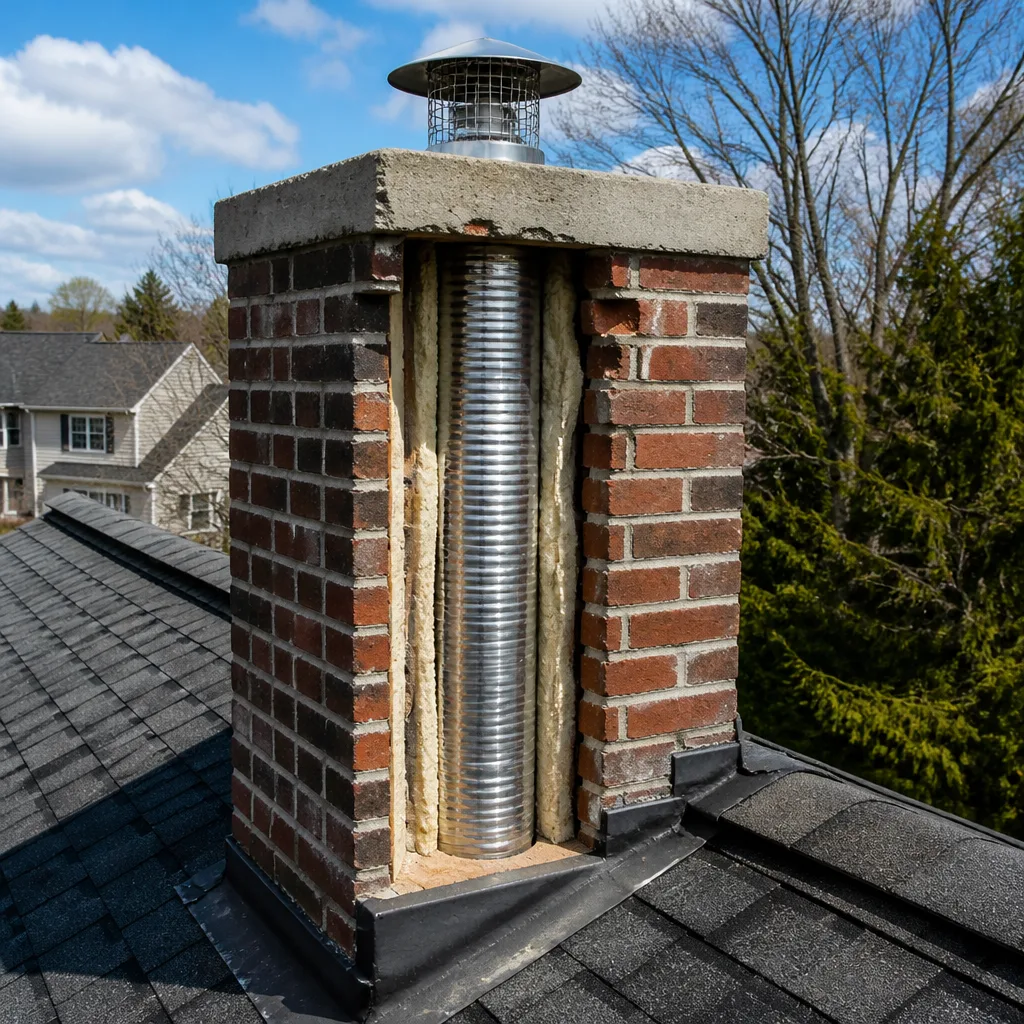
- DuraFlex is a flexible stainless steel liner system, used when the existing flue tile has failed or the flue needs to be relined to vent a fire or an insert properly.
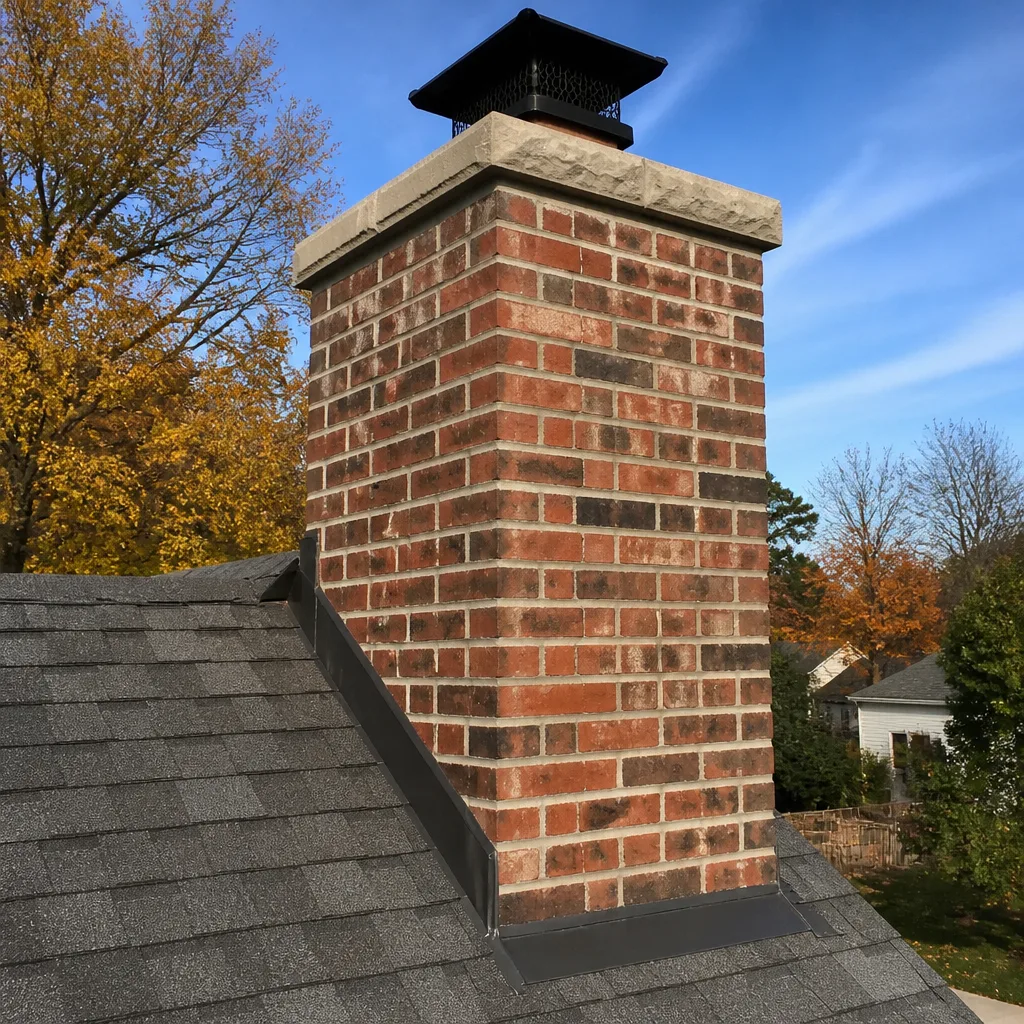
- Gelco covers crown and masonry repair and sealing, which addresses the water entry that starts at the top of the chimney.
- Olympia Chimney covers dampers, caps, and other components that sit inside the firebox and need to take heat without deforming.
- Copperfield supplies caps and top-of-chimney products that hold up to East Texas humidity better than thin galvanized steel.
- Famco covers standard masonry and installation supplies that keep a repair looking like it was done right.
Because we carry all of these, a problem found during a sweep can be diagnosed and repaired inside the same service relationship. No referral to a second contractor, no wait for a different trade to show up. From the firebox to the dryer vent, we handle the full fire-safety picture. That includes dryer vent cleaning, which is one of the most overlooked household fire hazards and something we treat with the same inspection discipline as a chimney sweep.
Common Mistakes to Avoid
- Burning unseasoned wood to “burn off” a smell. Green or damp wood deposits more creosote, not less, and the smell you’re trying to eliminate gets worse. Season your wood first.
- Patching a firebox crack with thin mortar. A mortar smear fails within a season because it doesn’t bond like a refractory material. Use a product made for firebox repair, or leave it for a technician.
- Assuming a smoky fire means the chimney needs a sweep. Half the smoky fires we get called about in College Station trace back to negative pressure, not buildup. A sweep won’t fix a tight house.
- Relighting a fireplace after a summer off without an inspection. A flue that sat unused for months is the prime spot for a nest or a blockage. Look before you light.
- Climbing on the roof to check the cap yourself. Nothing on the top of a chimney is worth a fall. Ground-level photos with a zoom are enough to spot most problems.
- Skipping the dryer vent because the fireplace is the only thing on your radar. Lint buildup in a dryer vent is a fire hazard every bit as real as a neglected chimney, and it’s easy to forget.
- Agreeing to liner or masonry work without seeing the camera footage. Any honest chimney recommendation comes with photos or video you can look at yourself. If a quote doesn’t show you the evidence, ask for it.
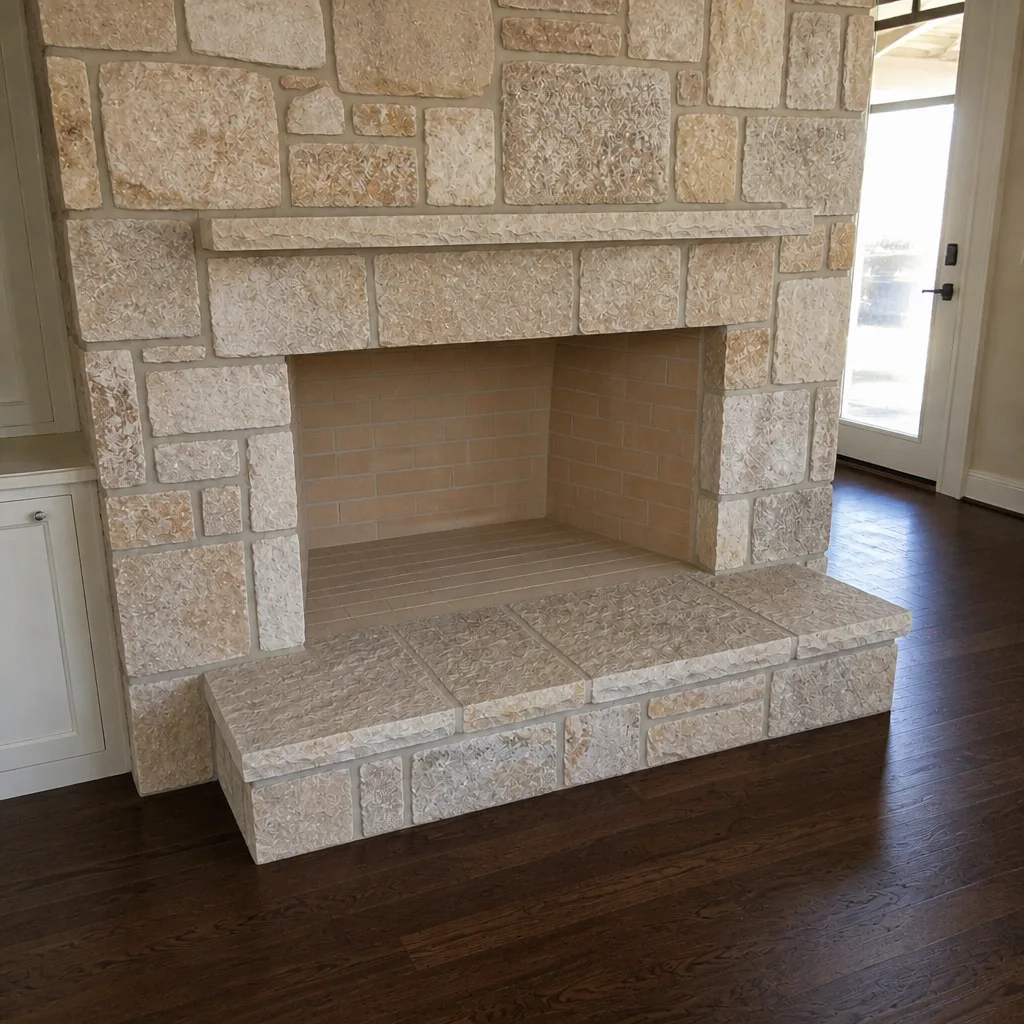
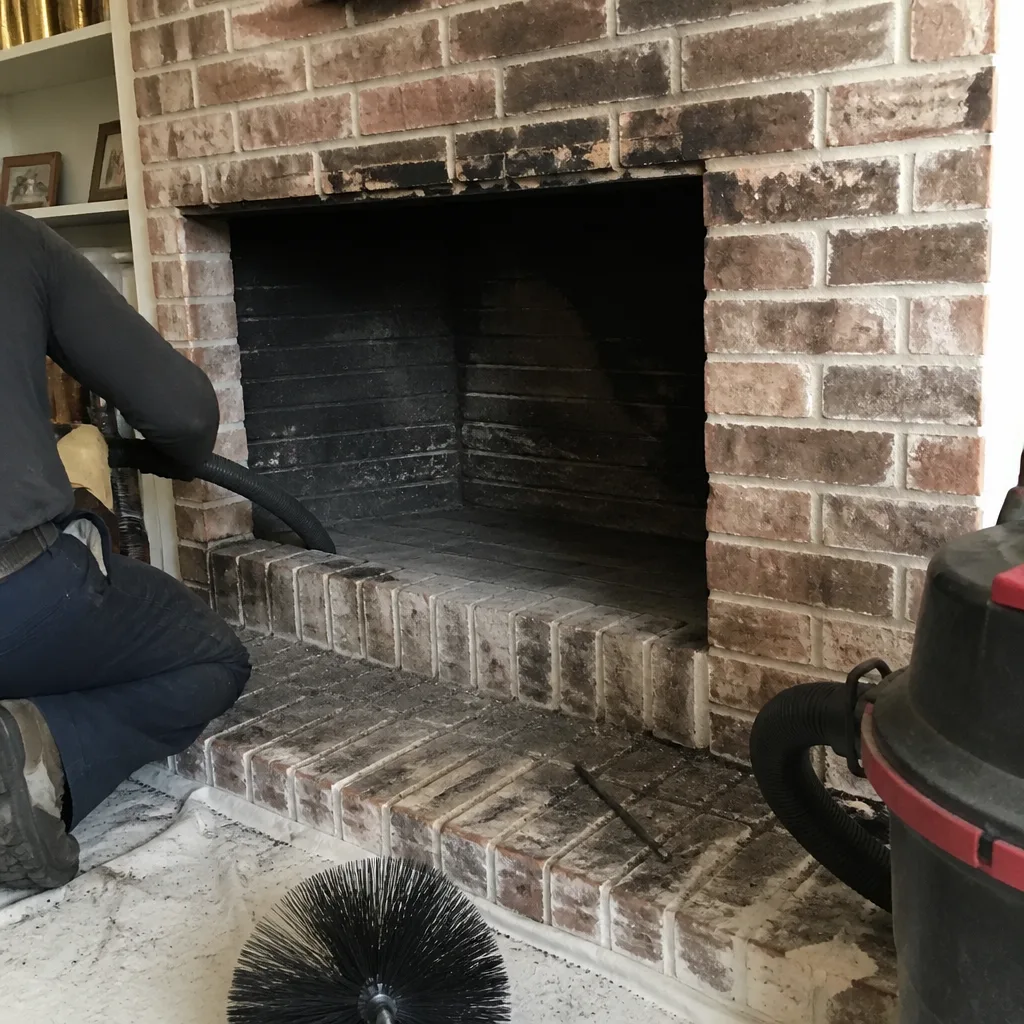
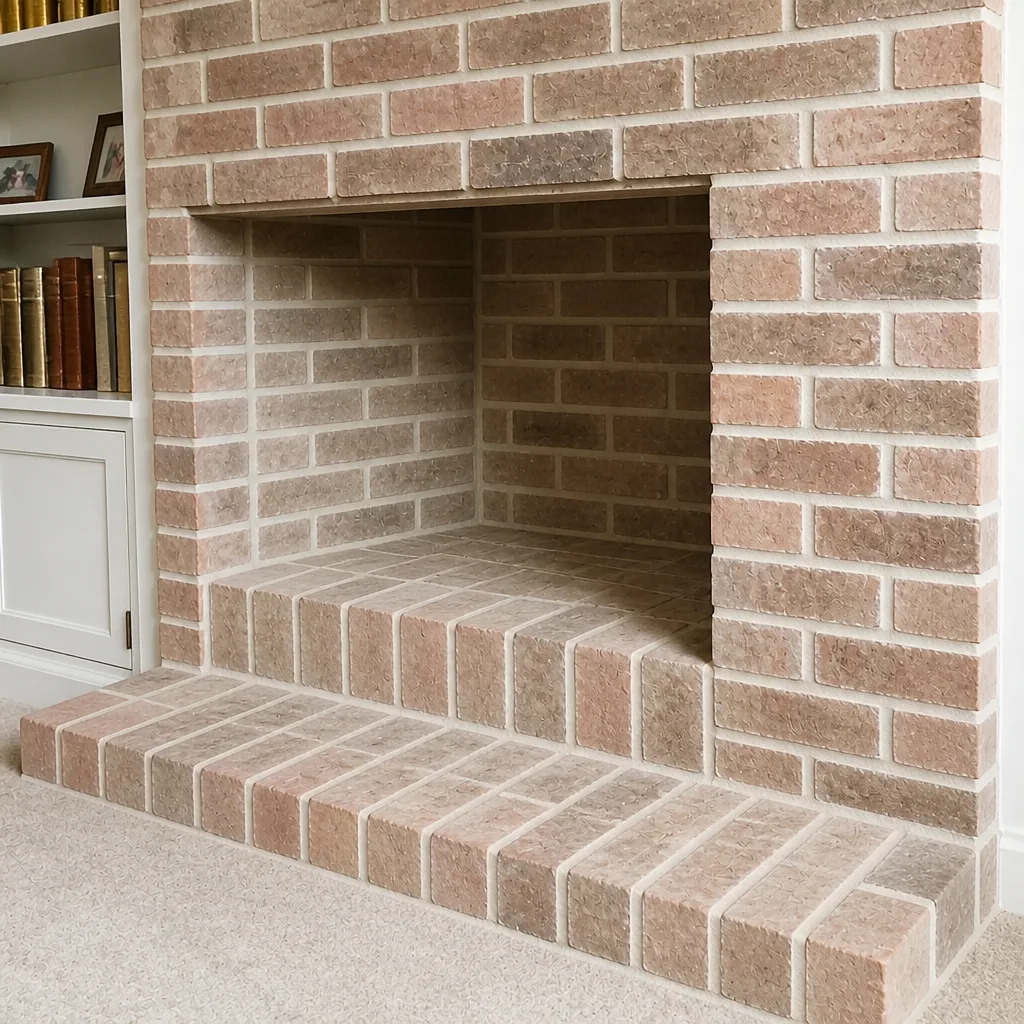
See the difference
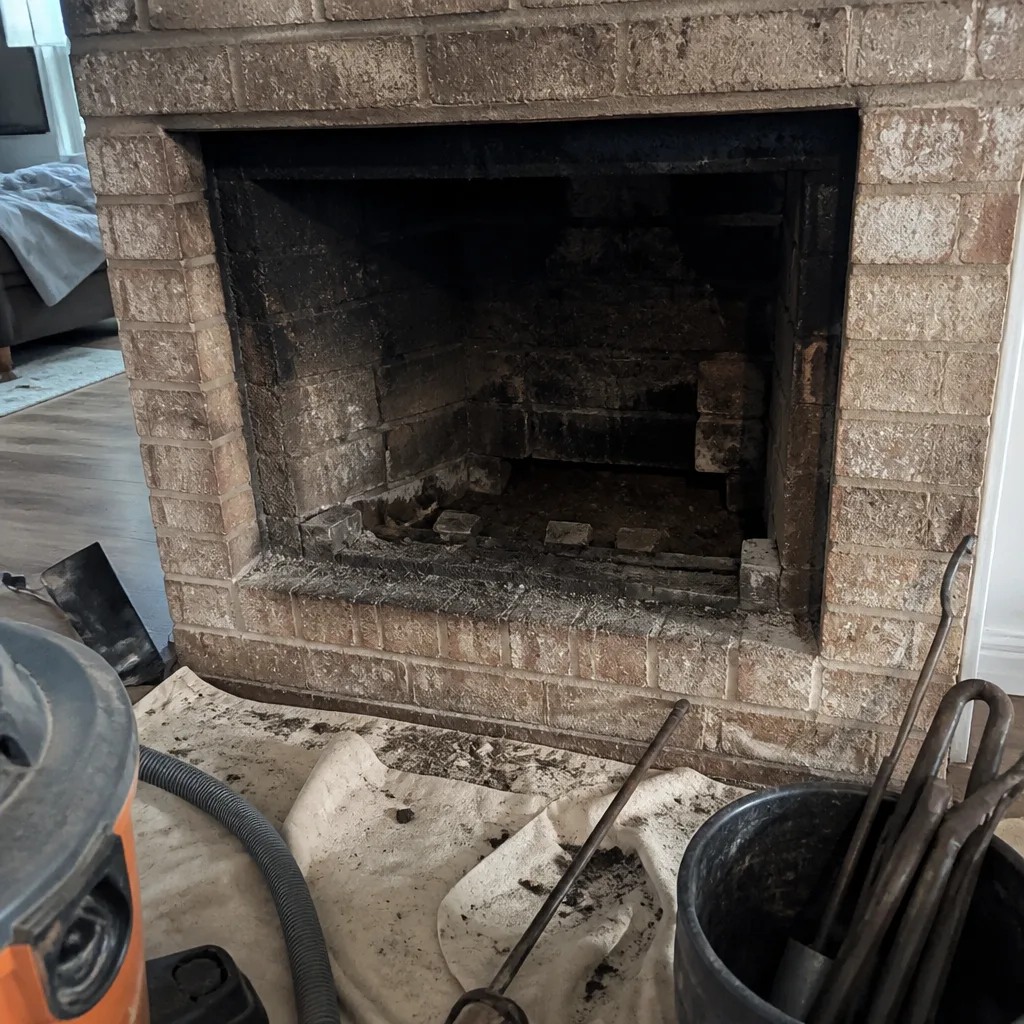 Before
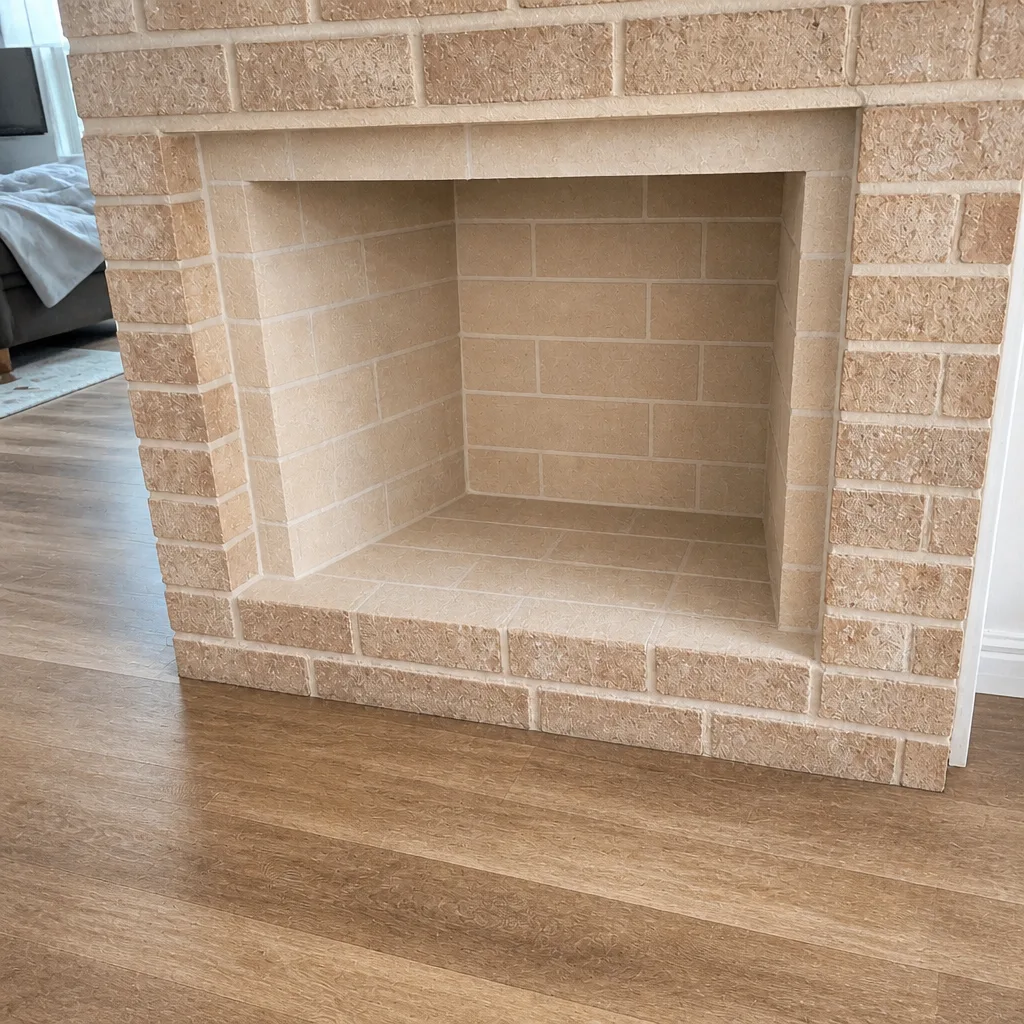 After
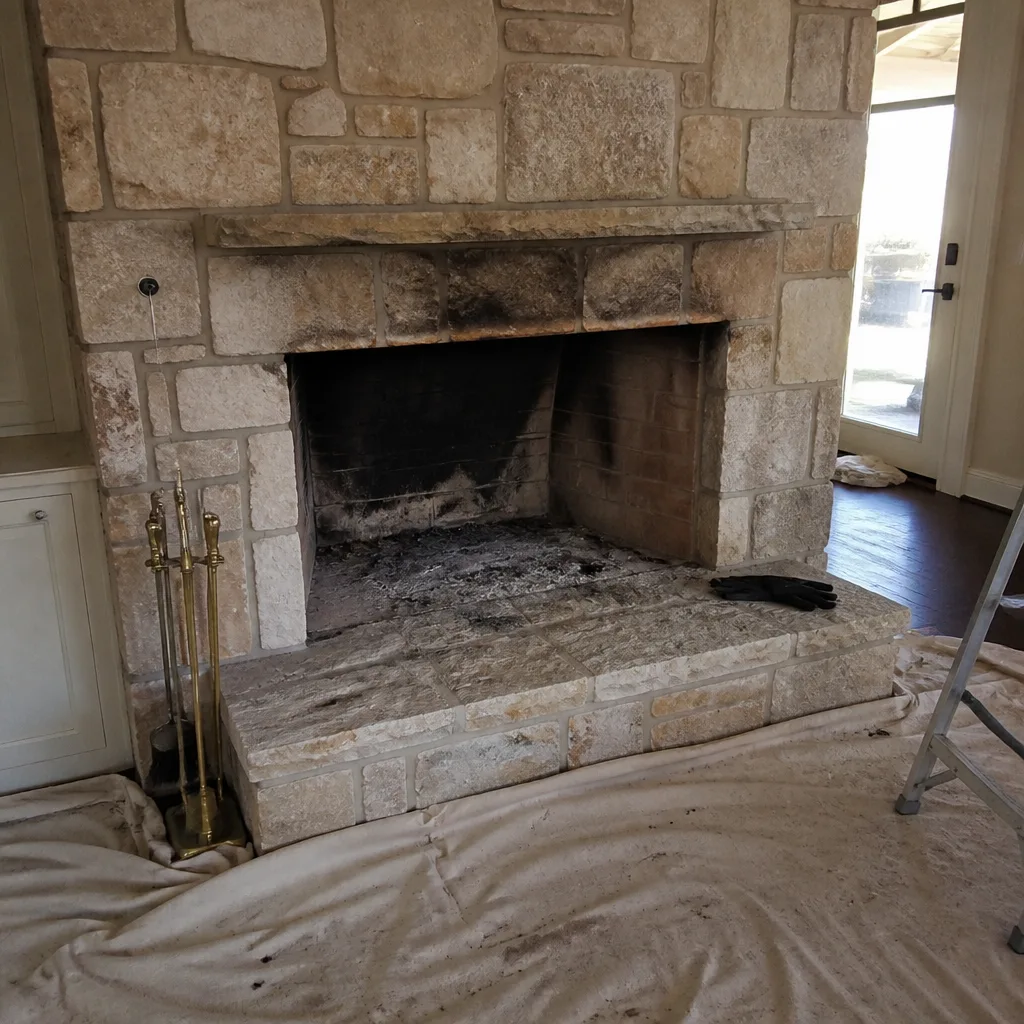 Before
 After
 Before
 After
When to Call a Professional
Some chimney problems are worth a phone call the same day. Others can wait for a scheduled sweep. Call a professional immediately if you smell gas near a gas insert, if smoke fills the room no matter how hot the fire is, if you see water stains on the ceiling or wall near the chimney, or if you’ve had a chimney fire, even one you think burned itself out. A chimney fire can crack the flue tile and leave no visible sign from inside the house, and only a camera inspection can rule that out.
Most other problems are slower and safer to schedule. A cap that’s been missing for a while, a damper that sticks, a firebox with hairline cracks, or a flue that hasn’t been swept in a couple of seasons can be booked and fixed in a single visit. Saddle Chimney Sweep offers free estimates in College Station. Call (844) 538-0969. We answer 24/7. Fast dispatch from 7am to 7pm, Sunday through Friday.
Frequently Asked Questions
Most wood-burning fireplaces in College Station should be swept once a year, or after about a cord of wood, whichever comes first. Because of the humidity here and the way it accelerates glazed creosote, we lean toward an annual inspection even when the fireplace has only seen a few fires. Less than a cord a year doesn’t mean nothing is building up. Call (844) 538-0969 for an exact quote. Estimates are free.
Smoke into the room almost always means either a blockage in the flue or negative pressure pulling air down the chimney faster than the fire can push it up. Light a small fire first to warm the flue. If the smoke still backs up after ten minutes of a hot fire, the flue is likely blocked and needs a sweep and camera inspection. If it only backs up when an exhaust fan runs, the house is too tight and the fix is make-up air, not a sweep. Call (844) 538-0969 for an exact quote. Estimates are free.
You only need a new liner if the existing flue tile has cracked, shifted, or deteriorated to the point that it can no longer safely contain the fire. A camera inspection is the only way to know for sure, and we show you the footage before recommending anything. Plenty of chimneys we inspect don’t need a liner at all, and we’ll tell you so. Call (844) 538-0969 for an exact quote. Estimates are free.
Creosote keeps building up in the flue, and glazed creosote in a humid climate like College Station’s can reach the combustible stage faster than most homeowners expect. Once that layer is thick enough, a hot fire can ignite it, and a chimney fire can crack the flue tile without any visible sign from inside the house. Skipping a sweep doesn’t cause a problem right away, but it removes your margin for error. Call (844) 538-0969 for an exact quote. Estimates are free.
A rusted plate is a corroded moving part that can be replaced directly. A warped frame is the fixed housing bent by heat, usually from a chimney fire, and it often signals damage to the flue liner and smoke chamber that needs checking first. They look nearly identical from inside the firebox, so open and close the damper and look at the edges of the plate before assuming which one you have. Call (844) 538-0969 for an exact quote. Estimates are free.
You can brush the flue from the firebox access if the chimney is straight and you’re comfortable on a ladder, but a brush won’t touch glazed creosote, and it won’t show you what’s happening inside the smoke chamber, the offset, or the top of the flue. A camera inspection is what actually tells you whether the chimney is safe to use. The brush is the easy part. The diagnosis is the part that matters. Call (844) 538-0969 for an exact quote. Estimates are free.
The Bottom Line
Chimney problems in College Station usually trace back to a short list of causes, and the homeowner who names the symptom correctly gets the right fix faster and cheaper. Water in the firebox points to a cap or crown. Smoke on a hot fire points to a blockage. Cracks in the firebox point to clay soil movement. A shiny flue wall points to glazed creosote. Rust in the damper points to a leak at the top. Photograph what you can see from the ground and the firebox, never from the roof, and bring those photos to the estimate. Nothing gets recommended without camera evidence you can see for yourself, and when work can safely wait, we say so.
When you’re ready to schedule, call Saddle Chimney Sweep at (844) 538-0969. We answer 24/7. Fast dispatch from 7am to 7pm, Sunday through Friday. Estimates are free, the price is set per job by the written estimate, and we install professional-grade materials from DuraFlex, HeatShield, Gelco, and Copperfield rather than hardware-store substitutes. Visit Saddle Chimney Sweep to see how we approach the full chimney and vent system, from the firebox to the dryer vent.
Written by the team at Saddle Chimney Sweep.