
Last updated November 15, 2026
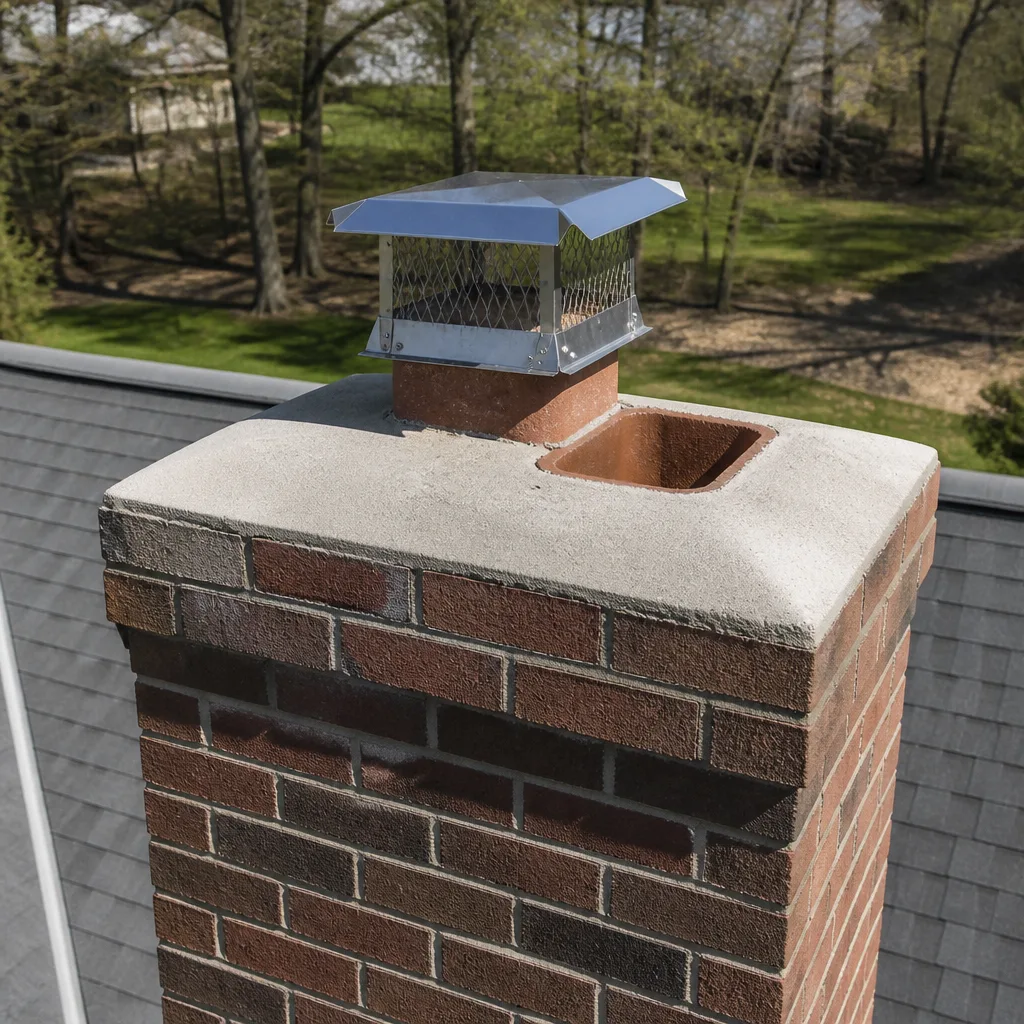 Sweep & inspection
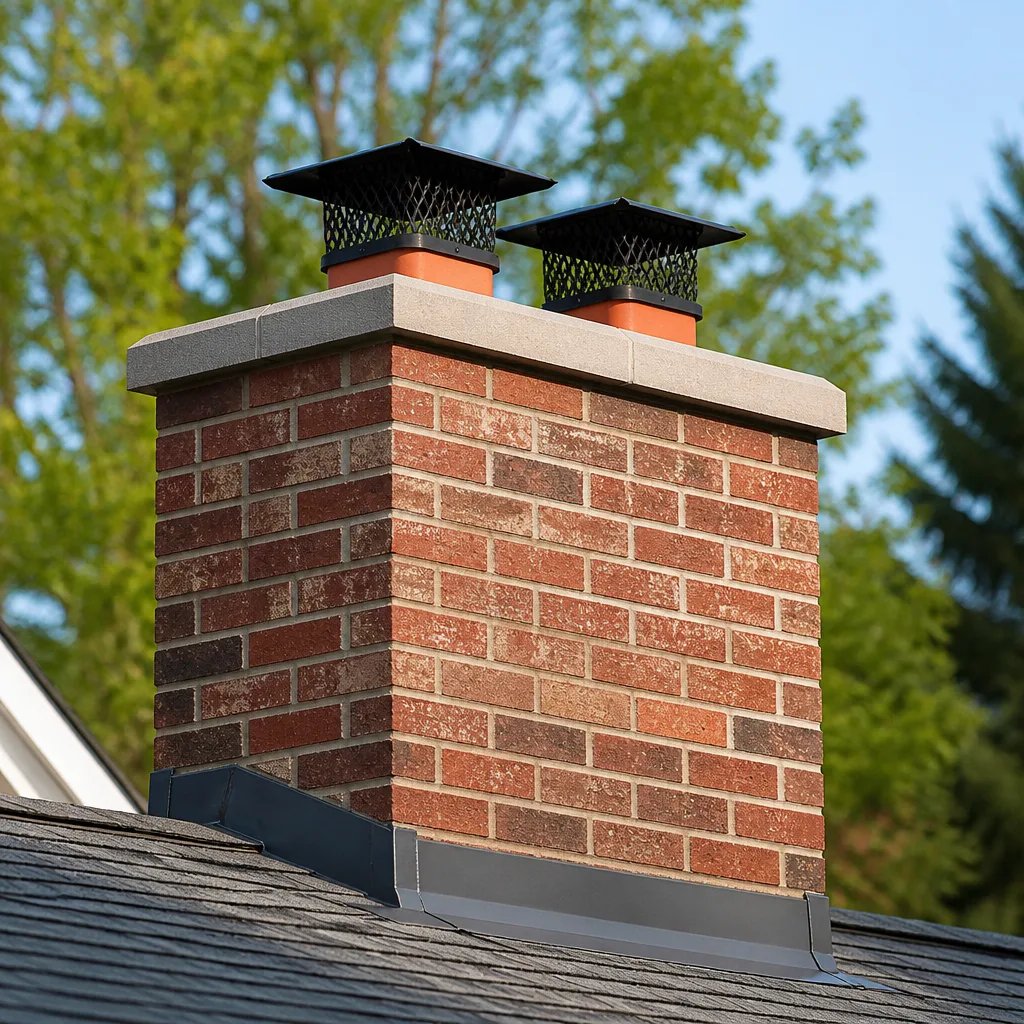 Caps & crowns
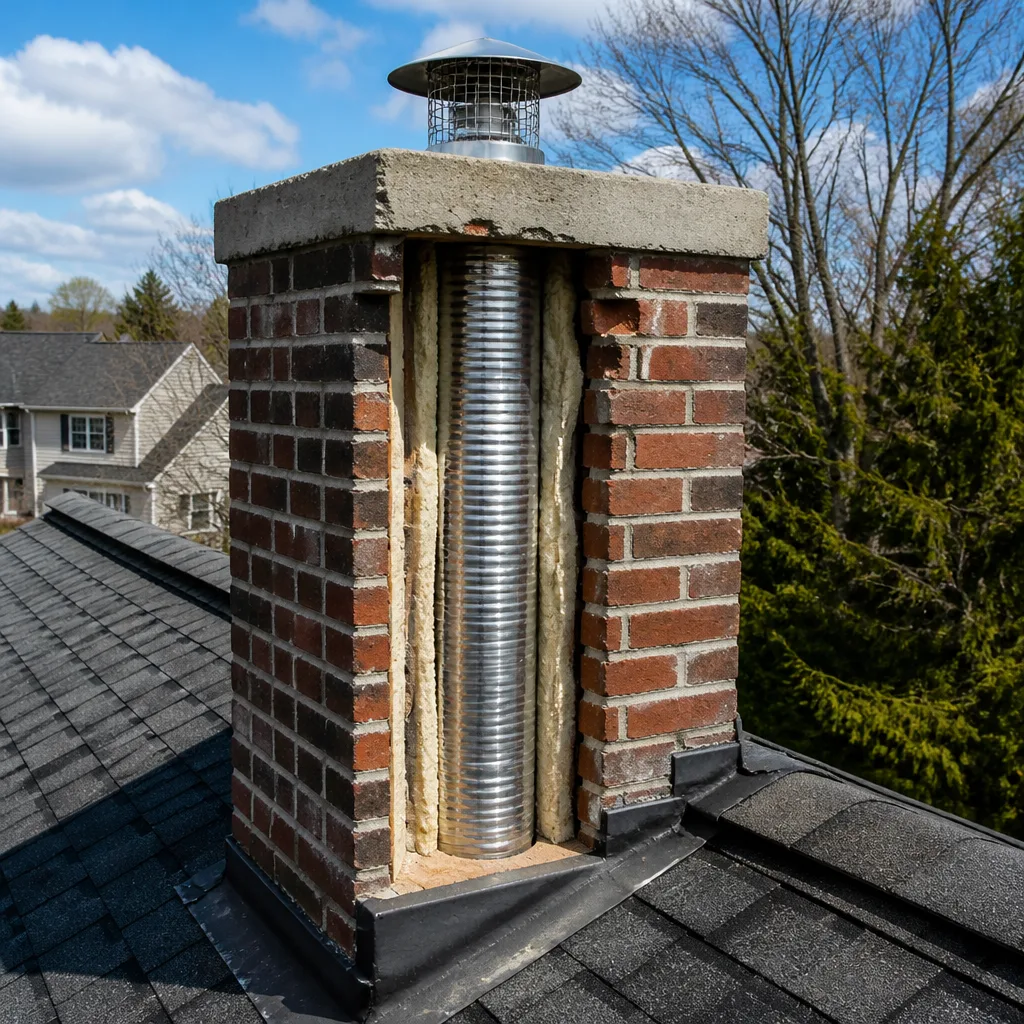 Flue relining
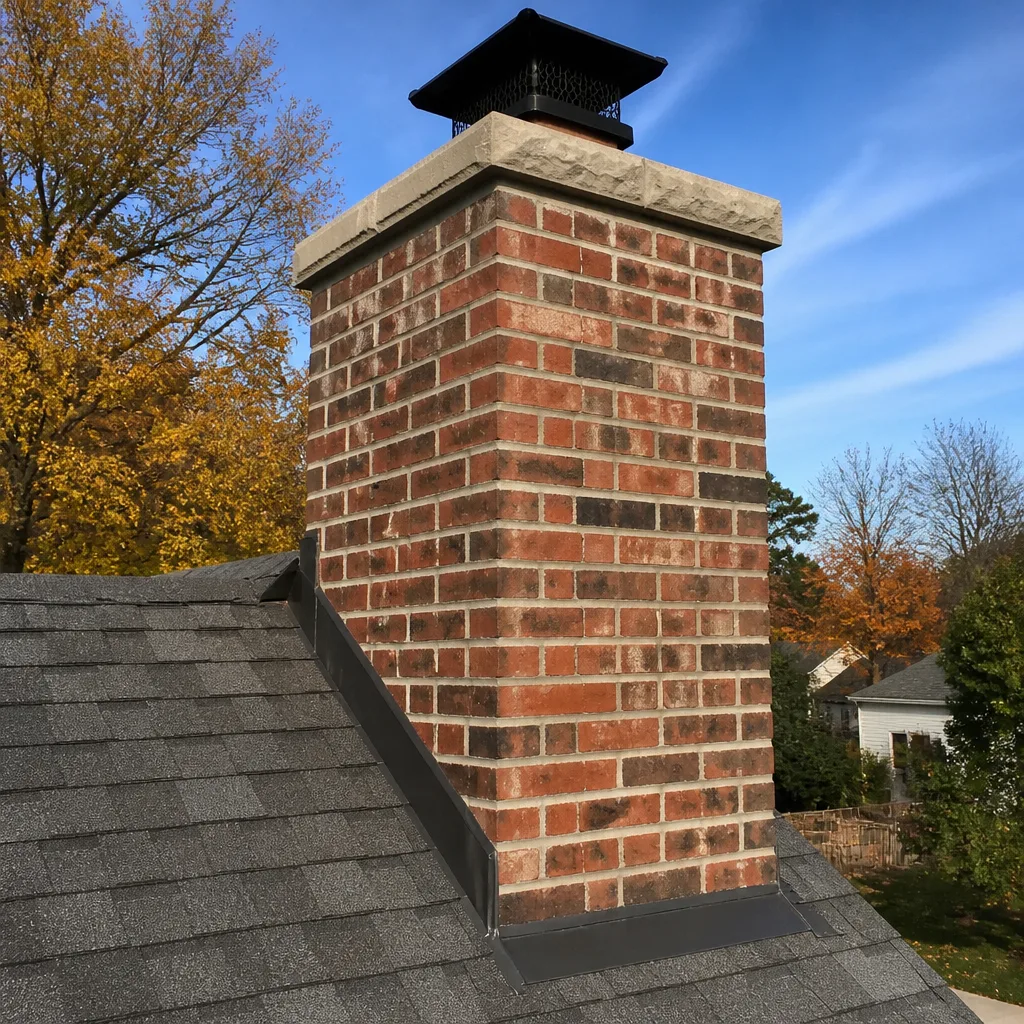 Masonry repair
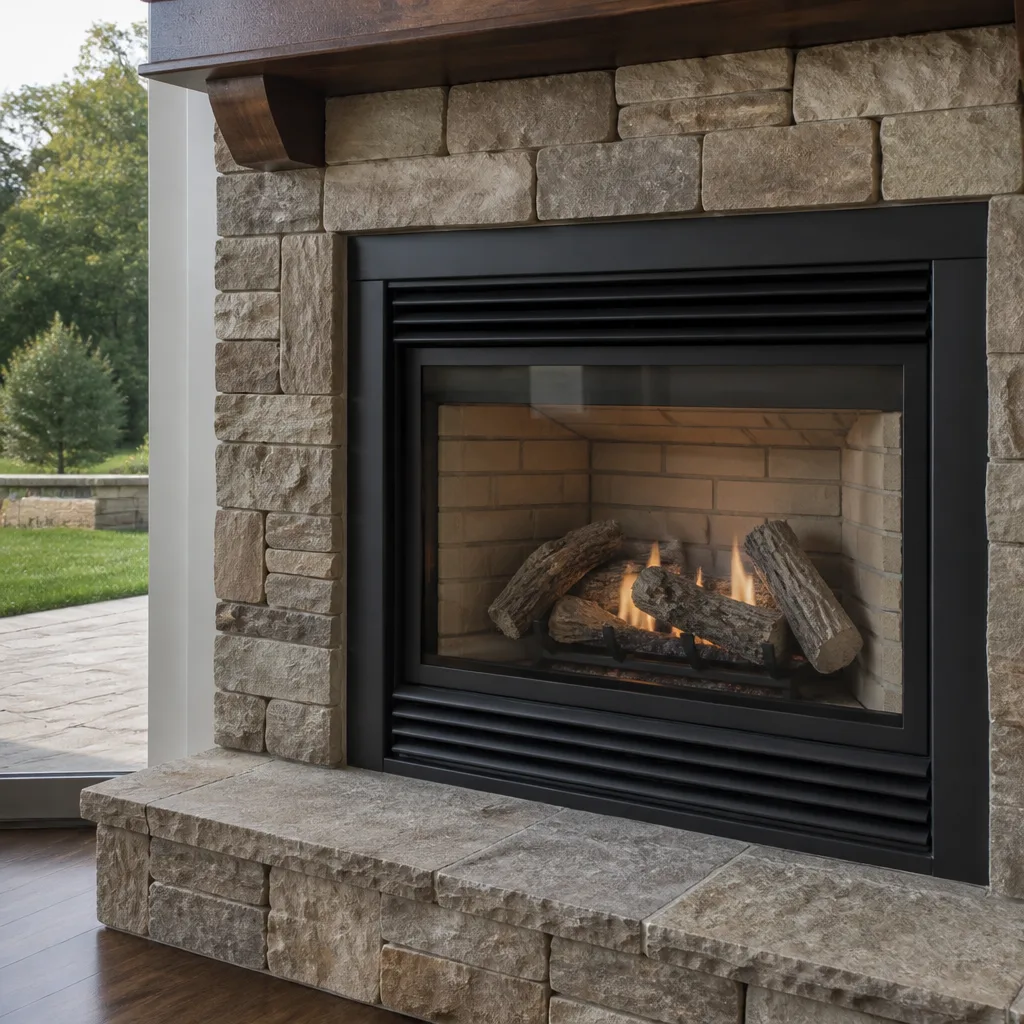 Gas fireplace service
Level 1 sweep and inspection to the NFPA 211 annual standard - flue, crown, cap, and flashing checked and photographed
Chimney sweep logs do not sweep chimneys. They loosen some creosote - which then falls where a brush and vacuum still have to collect it.
Choosing the Right Chimney Cleaning Brand: A Buyer’s Guide for College Station
Most homeowners treat a chimney cap like a commodity item, something a contractor tosses in without discussion. In our experience that’s exactly where money gets lost. The gap between a contractor-grade steel cap and a stainless steel cap from a maker like Gelco isn’t measured in a few dollars of sticker price. It’s measured in lifespan, and in a humid climate like College Station’s, that gap can run from roughly five years on the metal cap to twenty-five years on the stainless one. The same logic applies to liners, dampers, chase covers and sealants. This guide walks through the product categories, what the leading manufacturers actually build, and the questions you should ask before anyone touches your flue.
Quick Answer
The “right” chimney cleaning brand isn’t a single name on a canister. It’s about what your specialist installs: professional-grade components from established suppliers such as DuraFlex, HeatShield, Gelco and Olympia Chimney, not generic hardware substitutes. In College Station’s humidity, stainless steel construction and correct gauge specs matter most. Ask what’s being installed, who manufactures it, and whether the manufacturer’s warranty survives the installation. The written estimate sets the final price.
Styles & brands we work with
- Sweep & inspection
- Caps & crowns
- Flue relining
- Masonry repair
- Gas fireplace service
Table of Contents
- The Five Chimney Product Categories You’ll Encounter
- Why Stainless Steel Is the Standard in College Station
- Liner Systems: Flexible Stainless vs. Cast-in-Place
- What Qualifies a Contractor to Install Branded Components
- Questions That Separate a Specialist from a Generalist
- Warranty Reality: What Manufacturer Coverage Actually Means
- Matching Product Choices to College Station Conditions
- How the Inspection Drives the Product Decision
The Five Chimney Product Categories You’ll Encounter
Brand differentiation means something different in each product family. A homeowner who knows the categories can ask sharper questions and spot a bid that’s padding or cutting corners.
Caps
A cap keeps rain, animals and debris out of the flue. Contractor-grade steel caps are the cheapest line item a contractor can install, and they’re common. Stainless caps cost more and last far longer in a humid market. When you look at a bid, ask whether the cap is stainless or galvanized. The answer tells you how the rest of the job is likely being approached.
Dampers
Top-seal dampers mount at the top of the flue and offer a tighter seal than a throat damper. Brand matters here because the mechanism and the gasket materials are what fail first.
Liner systems
These are the highest-cost item on most repair estimates. Flexible stainless and cast-in-place liners serve different applications and different flue conditions. We cover them in detail below.
Sealants
Crown and flashing sealants have to flex with the chimney, not crack away from it. Generic caulk from a hardware store is a short-term fix. Professional-grade sealants matched to masonry and metal are the durable choice.
Chase covers
A chase cover caps a prefabricated chimney chase. In College Station, where humidity sits high for months, a rusting chase cover is a common source of water intrusion. Galvanized covers rust; stainless covers hold up.
Every one of these categories sits inside the scope of a proper chimney sweep assessment. The technician should be evaluating the components as they clean, not just brushing soot into a vacuum.
Why Stainless Steel Is the Standard in College Station
College Station runs hot and humid for much of the year, and that humidity is the enemy of any steel component in a chimney system. Moisture from rain, from combustion byproducts and from the air itself works on the metal continuously. Galvanized steel begins to rust in this climate, and once rust takes hold on a cap or chase cover, the component starts failing.
Stainless steel resists that corrosion, which is why it holds its place as the material standard in high-humidity markets. The catch is that “stainless” is a broad label. Gauge and alloy matter.
What to ask about gauge and alloy
- Gauge: thinner metal deforms and fatigues faster. Ask what gauge the cap, chase cover or liner being quoted actually is. A professional installer should know without looking it up.
- Alloy grade: not all stainless formulations resist the same environments. Reputable liner manufacturers such as DuraFlex publish the grades their systems use and the flue conditions each is rated for.
- Fasteners: stainless components held on with cheap carbon-steel screws will fail at the fasteners first. Ask whether the hardware is stainless too.
Ask these questions before the truck pulls up, not after the cap is screwed into place. A reputable contractor will welcome the conversation. A generalist will stall on it. You’ll learn a lot from the response.
Liner Systems: Flexible Stainless vs. Cast-in-Place
A flue liner is the barrier between combustion gases and the structure of your chimney. When it’s intact and correctly sized, the liner does its job for decades. When it’s cracked, missing or wrong-sized, the flue is unsafe, and the fix is a relined chimney. Two liner families dominate the field today, and they solve different problems.
Flexible stainless liners
A flexible stainless liner is a corrugated or spiraled steel tube that is pulled down the flue and secured at the top and bottom. Systems like DuraFlex’s flexible stainless lines are the usual choice for most residential relining work, including gas appliance vents and flue cross-sections where a rigid pipe won’t make the turn.
- Strengths: fast installation, relatively clean job, works in tight or offset flues, well-suited to venting modern appliances.
- Watch for: correct sizing for the appliance. An oversized or undersized liner performs badly regardless of how well it was installed.
- Manufacturer: ask which flexible liner manufacturer is being installed, and whether the installer is authorized by that manufacturer.
Cast-in-place liners
Cast-in-place liners are formed in the flue itself, usually from a refractory cement product like HeatShield’s resurfacing systems. These are typically deployed on older masonry chimneys where the original flue tile has cracks, gaps or voids.
- Strengths: addresses deteriorated masonry liners directly, restores the original flue cross-section, and works well with original chimney proportions.
- Watch for: the curing timeline, which means the chimney is out of use for a period; and the required skill of the installer, since the product’s performance depends on proper application.
- Manufacturer: HeatShield’s system is one of the best-known cast-in-place repair products on the market. Ask what grade is being specified for your flue.
Which one you need depends on the flue condition, the appliance it serves and the chimney’s construction. A licensed specialist should be able to explain both options and why one fits your specific chimney.
What Qualifies a Contractor to Install Branded Components
A branded product installed incorrectly is worse than a generic product installed well. That’s the uncomfortable reality of chimney product installation. The manufacturers know it, which is why most of them place conditions on their warranties and prefer to work with installers who follow their installation instructions.
When you’re evaluating a contractor in College Station, look for three things: a professional supplier relationship with the brands being quoted, evidence of proper installation practice, and a willingness to document what’s installed.
- Ask which brands they stock or spec, and why. A specialist who regularly installs DuraFlex or Olympia Chimney components will know the specific product lines within each brand. A generalist will recognize the brand name and hesitate on the details.
- Ask whether the installation follows the manufacturer’s written instructions. The answer should be an unqualified yes. If it’s “we install it the way we always do,” the manufacturer’s warranty is at risk.
- Ask for the material paperwork. Product documentation on the installed components, including the manufacturer and product code, is standard practice. A contractor who can’t produce it is working without a paper trail.
At Saddle Chimney Sweep we install professional-grade materials from DuraFlex, HeatShield, Gelco, Olympia Chimney, Famco and Copperfield. Those names aren’t branding for a brochure. They’re what we know works, and they’re what we know how to install correctly.
Questions That Separate a Specialist from a Generalist
The single fastest way to tell a supply-stocked specialist from a parts-on-order generalist is the questions they can answer without a phone call to a supplier. Here’s a short list to have ready.
- Which manufacturer’s liner system are you planning to install, and why that one? A specialist will have a reason. A generalist will give you a category answer.
- What gauge and alloy is the cap or chase cover going to be? If the answer is “stainless,” follow up with “what gauge?” The gauge is what matters over the long haul.
- What’s the expected service life for the product in a humid climate like College Station’s? The manufacturer publishes this. A professional will know it.
- Who’s doing the installation, and are they trained on this manufacturer’s system? Not every installer is trained on every branded system. The gap matters when the warranty is invoked.
- What does the manufacturer’s warranty cover, and what could void it? The answer tells you whether the installer has read the terms they’re promising you.
- Can you fix what you find while you’re here? A specialist can. A generalist will schedule a second visit.
The parts-on-order generalist is not a bad person. They’re simply in a different business. When the branded component fails and the warranty claim falls apart because the installation wasn’t authorized, the difference between the two business models becomes expensive. In our experience homeowners who ask these questions during the estimate get far better outcomes than those who ask them after the work is done.
Warranty Reality: What Manufacturer Coverage Actually Means
Ask a homeowner what their chimney cap warranty covers and most will guess “the cap, forever, no matter what.” That’s rarely accurate. Manufacturer warranties on chimney components are usually limited, and they frequently carry conditions about installation, use and maintenance. Understanding those conditions before the work is scheduled is part of getting value from your purchase.
What warranties typically cover
- Manufacturing defects in the product itself.
- Failure of the component under normal conditions within the stated warranty period.
- Replacement of the failed component, usually as a credit or a direct replacement, not the labor to install it.
What usually voids a warranty
- Installation by an installer not authorized by the manufacturer, or installation that departs from the written instructions.
- Operation outside the appliance specifications (for example, a liner rated for gas appliances used with solid fuel).
- Damage from a chimney fire, neglect or a lack of routine maintenance, including a missed sweep.
- Modification of the component in the field, including cutting or reshaping a liner or cap to fit.
What to ask before installation
Ask for the warranty document on the specific product being installed, not a summary. Read the sections on installation requirements and exclusions. Confirm in writing that the installer will follow the manufacturer’s instructions and that no field modifications are planned. If any of those terms become a problem, the product isn’t the right one for your chimney.
This is where the repair capability of a full-service specialist matters. A sweep-only contractor who finds a failing liner during a routine cleaning has to hand the job off. A repair-capable contractor can recommend the correct branded system, install it to the manufacturer’s specification and stand behind the work. That continuity is exactly why our scope covers repair alongside cleaning.
Matching Product Choices to College Station Conditions
College Station has a particular combination of climate pressures that push product selection in specific directions. High humidity is the chief one. Hot summers and long stretches of warm, wet air mean that any steel component in the chimney system is under continuous moisture load. That’s why stainless steel is the baseline assumption here and not an upgrade.
Then there’s the housing stock. College Station includes neighborhoods where original masonry chimneys from decades past sit alongside newer builds with prefabricated fireplaces and gas inserts. Older masonry chimneys are more likely to need cast-in-place relining from HeatShield-type systems, because the original flue tiles have likely seen enough weather to develop cracks. Newer builds more often call for flexible stainless liners or damper replacements, depending on what the appliance and the chase construction call for.
Local masonry chimneys also benefit from close attention to the crown and the flashing. Water intrusion is a common source of damage in College Station, and a saddle (cricket) that’s failed at the flashing is often the culprit. This is not a coincidence that the structure shares a name with our company. The saddle protects your stack from water. When it’s compromised, the interior of the chimney takes the damage.
What this means for a product plan
- Prioritize stainless on any exposed steel component. Caps, chase covers, top-mount dampers and fasteners.
- Look at the liner before the cap. A stainless cap on a failing liner doesn’t solve the safety problem.
- Inspect the saddle and flashing annually. Water damage moves slowly, then all at once.
- Vent the dryer properly. It’s part of the fire-safety picture, and dryer vent cleaning is a service that deserves the same attention as the chimney.
If you’re looking for a chimney specialist who works in College Station, the questions in this guide are the ones to bring to the estimate.
How the Inspection Drives the Product Decision
Product selection starts with a proper assessment. You can’t specify a liner, a damper or a cap before you’ve seen the flue, the crown, the saddle and the firebox. That’s the order the work has to follow, and skipping the assessment to jump straight to a quote is how homes end up with the wrong product installed for the wrong reason.
What a proper assessment includes
- A visual inspection of the firebox, damper, smoke chamber and flue.
- A flue assessment to check for cracks, gaps and blockages in the liner.
- A look at the crown, saddle, flashing and chase cover for water-intrusion evidence.
- A review of the appliance and how it’s used, since gas inserts and wood-burning fireplaces call for different liner specifications.
What the assessment should produce
- A written report of what was found. Not a verbal summary. A report the homeowner can read and keep.
- A clear recommendation tied to what was found. The work should be justified by the condition, not by what happens to be in stock.
- Branded product options. Fully specified: manufacturer, product line, gauge or grade, and installation requirements.
- Honest scope. If a cap replacement is enough for now, that should be the recommendation. If a reline is needed, the report should explain why.
- Clear separation of what can wait. Some findings can safely be monitored over the next year. Others can’t. A good assessment makes that distinction clear.
Once the scope is confirmed, the product selection becomes a matter of matching the right branded system to the condition. That’s where our branded supplier relationships and installation experience matter. Our technicians have up to 14 years of experience with chimney systems of every age and construction found in the College Station area.
Common Mistakes to Avoid
- Approving a cap without asking about the gauge. Two stainless caps at the same price tag can have very different gauges and very different service lives in humid College Station air.
- Assuming a manufacturer warranty transfers to the installer’s work. Most warranties cover the product, not the labor. Read the terms and confirm the installation requirements in writing.
- Letting a generalist install a branded system without verifying their authorisation. Unauthorised installation is one of the most common reasons a warranty claim is denied.
- Accepting a reline recommendation without a flue assessment. If you haven’t seen the condition of the flue on camera or in a written report, the recommendation is premature.
- Mixing a stainless cap with carbon-steel fasteners. The fasteners will rust long before the cap does, and the cap will work loose.
- Treating the dryer vent as a separate problem. Dryer vent lint buildup is one of the most common household fire hazards, and it deserves the same professional attention as the flue.
- Skipping the annual sweep to save a modest cost. The sweep is what surfaces the product failures before they become repair costs. Skipping it can void manufacturer warranties on the liner and cap.
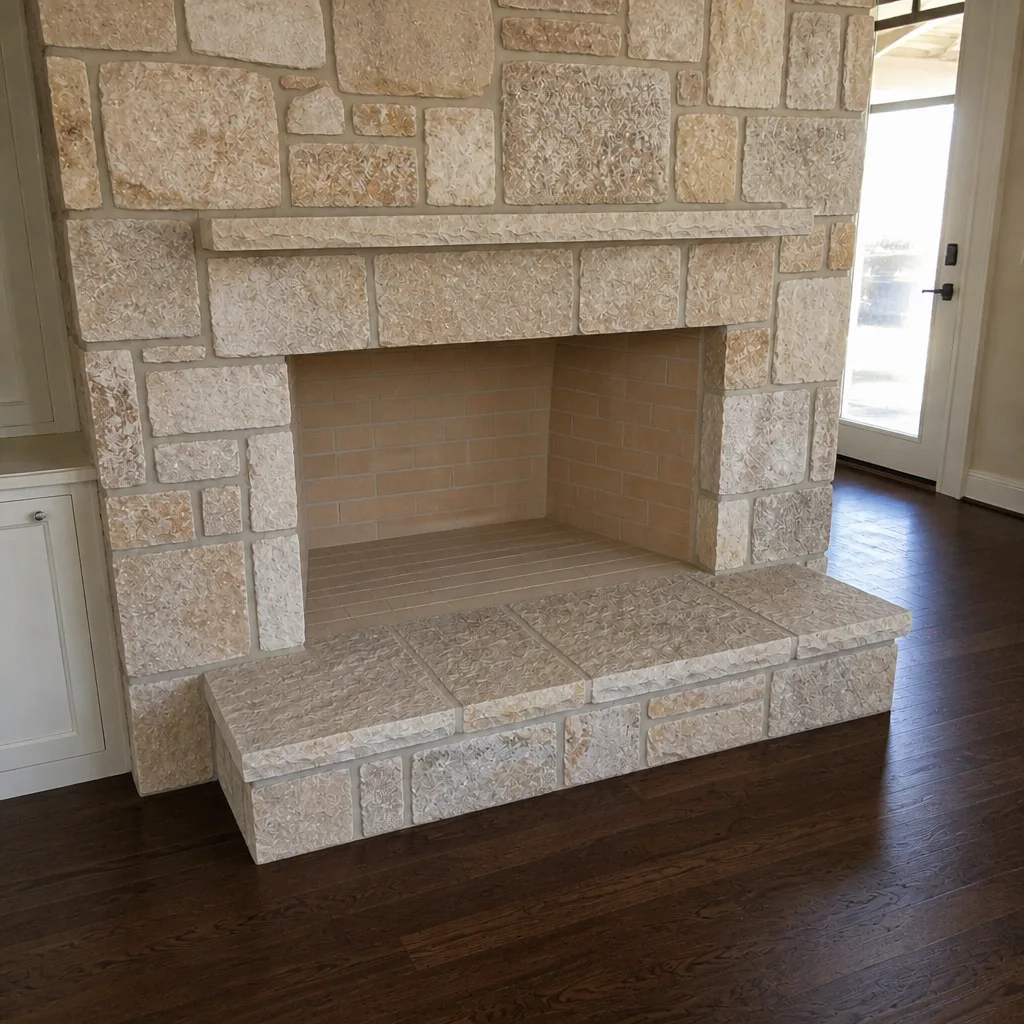
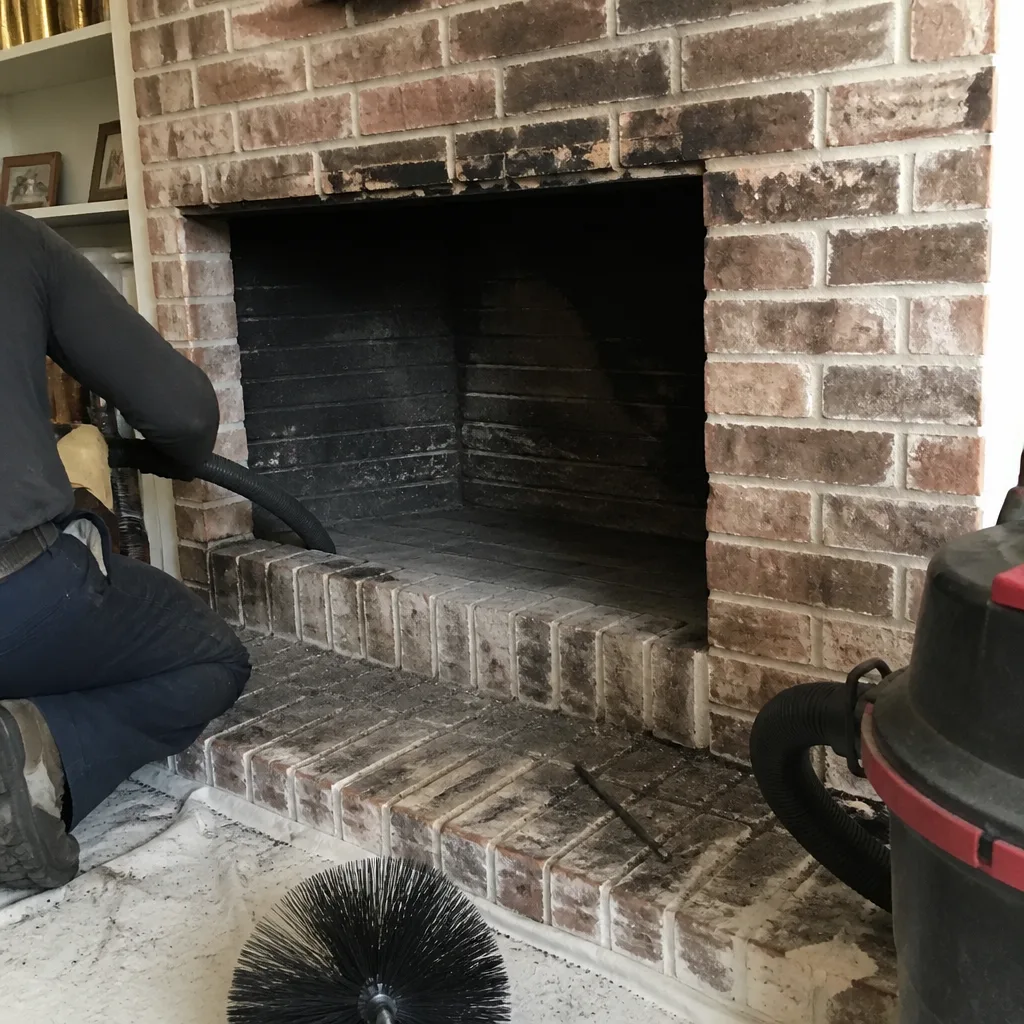
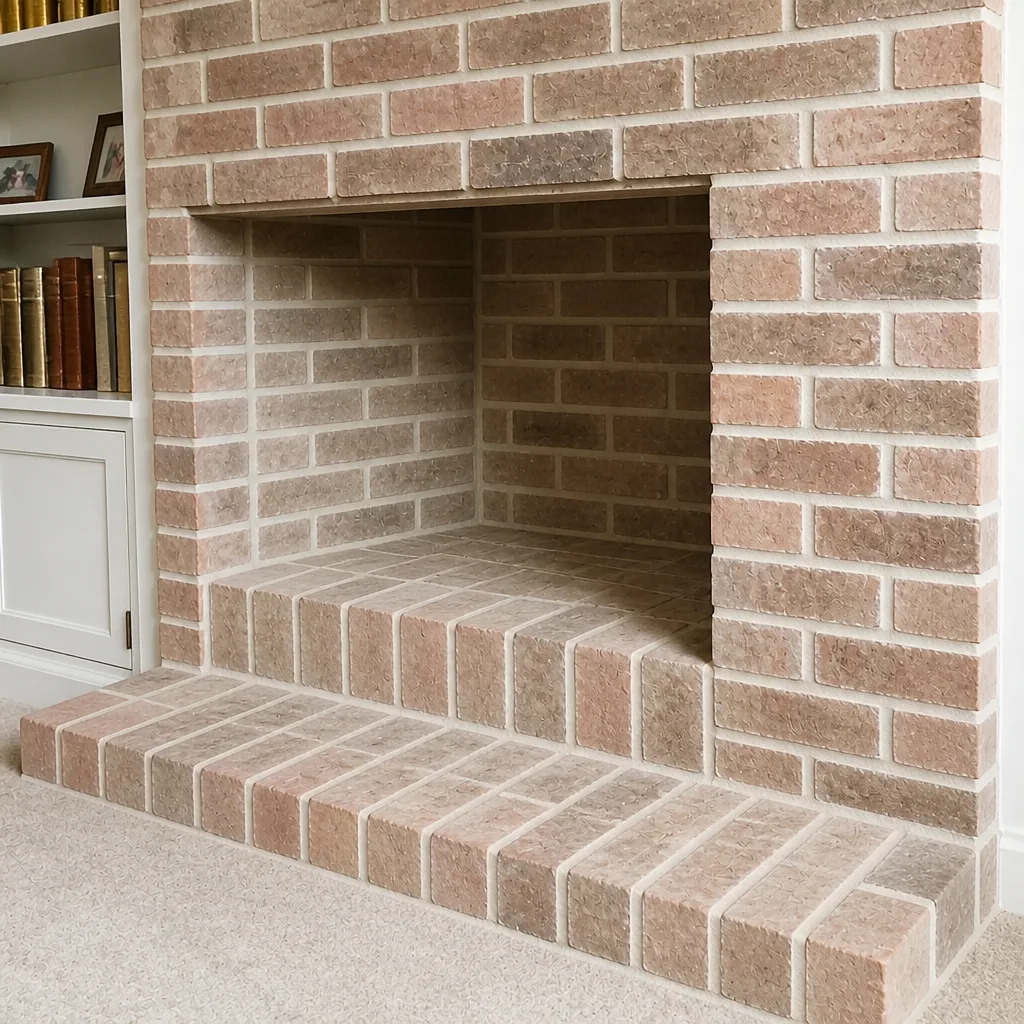
See the difference
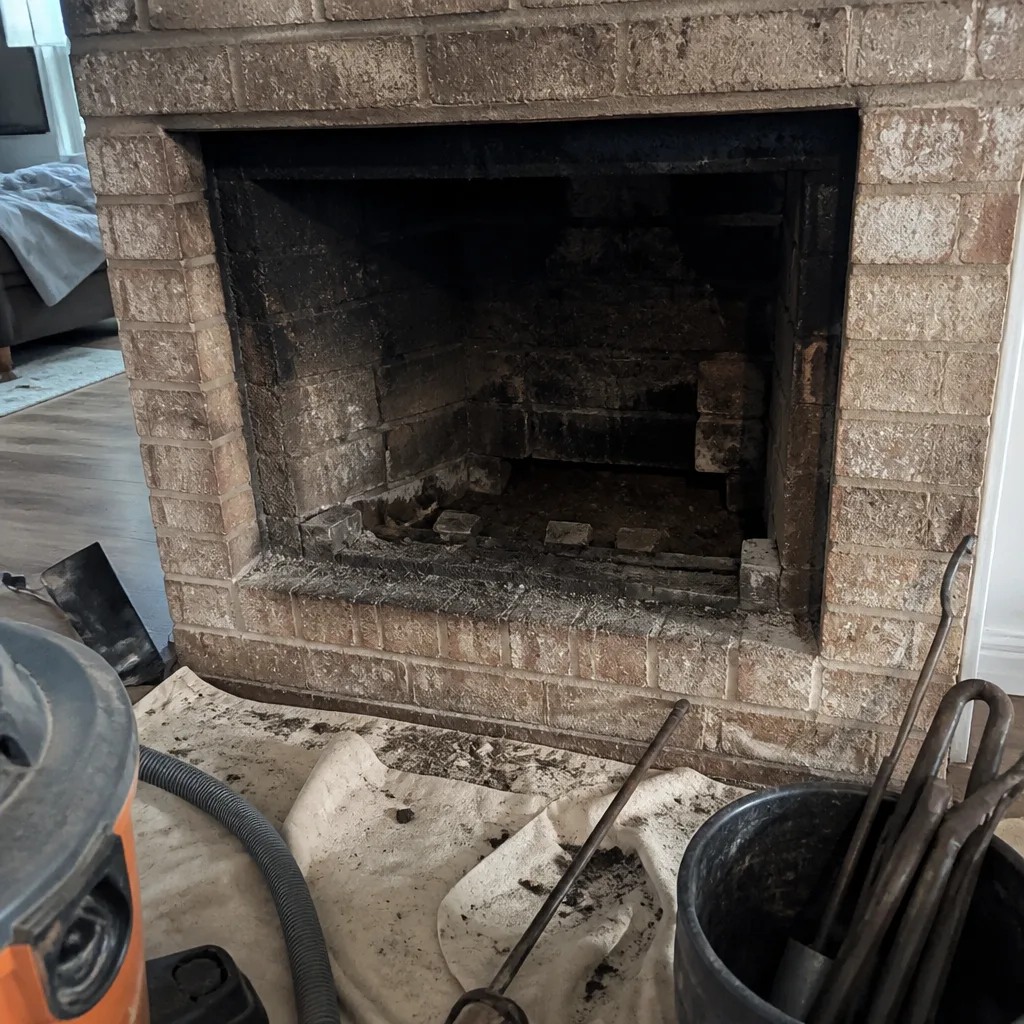 Before
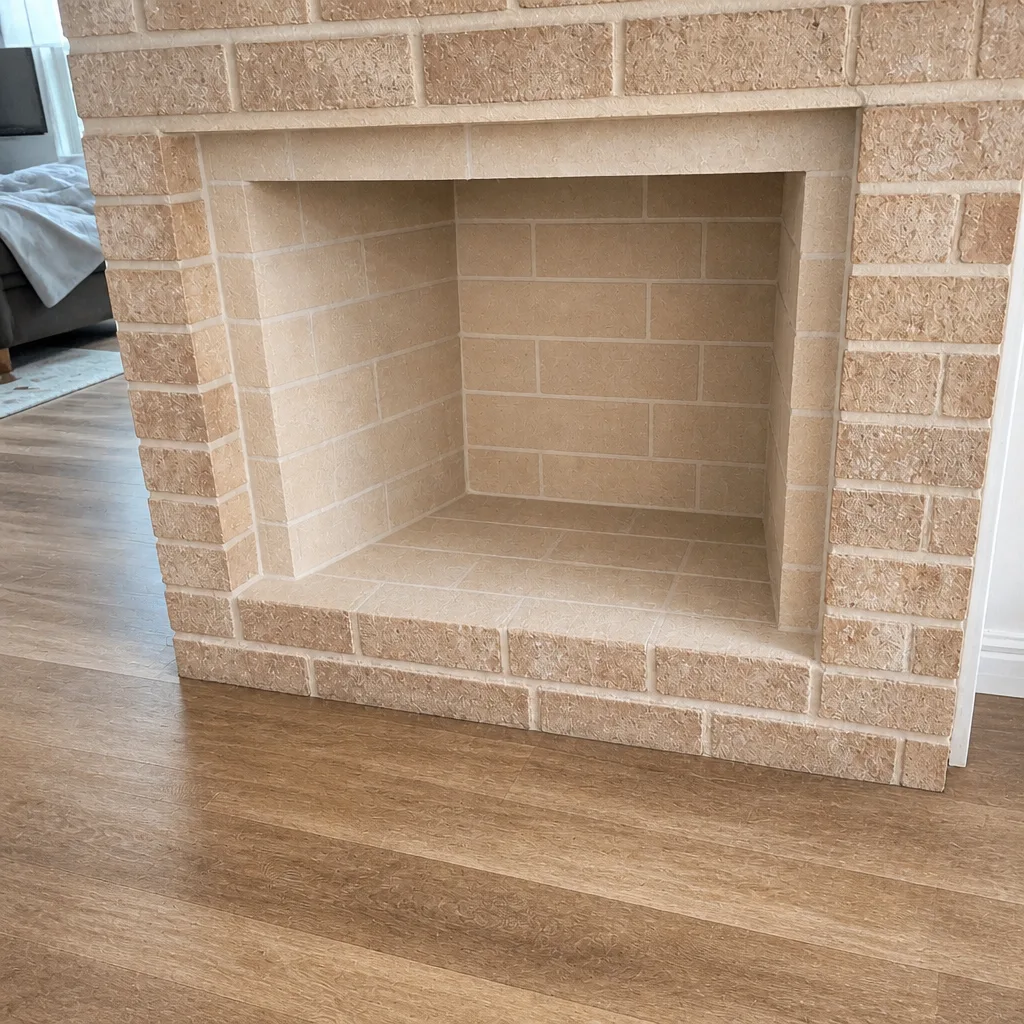 After
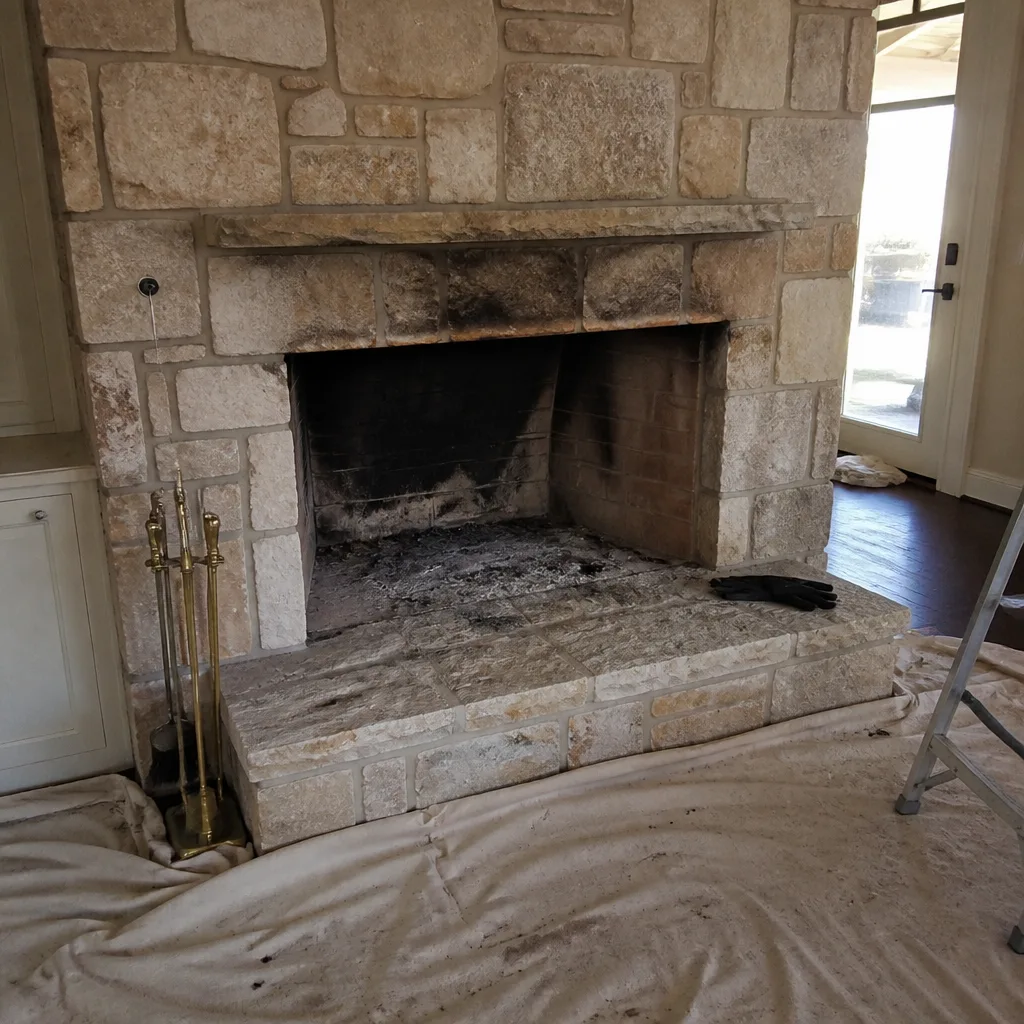 Before
 After
 Before
 After
When to Call a Professional
Some findings are safe to watch. Others need a technician on the case now. Call a professional when you smell smoke in the house while the fire is burning, when the damper or cap is visibly damaged or rusted through, when you see water staining on the chimney chase or ceiling near it, or when the chimney hasn’t been inspected in more than a year. If there’s been a chimney fire, even a small one, get a professional inspection before the next use, because the damage is often invisible from below. A stainless cap that’s been installed without proper fasteners should also be addressed, since it can come loose in wind. A carbon monoxide alarm that triggers when the fireplace or gas appliance is running is a stop-and-call situation; shut the appliance down and get it looked at before you use it again.
Saddle Chimney Sweep offers free estimates in College Station. Call (844) 538-0969 and we’ll schedule the assessment. We answer 24/7. Fast dispatch from 7am to 7pm, Sunday through Friday.
Frequently Asked Questions
The leading chimney supply brands in the repair market include DuraFlex for flexible stainless liners, HeatShield for cast-in-place liner restoration, Gelco and Olympia Chimney for caps, dampers and accessories, plus Famco and Copperfield for caps and related components. The important thing isn’t which brand you hear named. It’s whether the installer can specify the product line, gauge and installation requirements for your project. Call (844) 538-0969 for an exact quote, estimates are free.
Yes, especially in a humid market like College Station. A galvanized or contractor-grade steel cap may last roughly five years before rust demands replacement, while a stainless cap from a maker like Gelco or Olympia Chimney can hold up for around twenty-five years. The lifespan gap is the value. Ask about gauge and alloy when you compare bids.
It does. Most manufacturer warranties on liner systems are conditional on installation by an installer who follows the manufacturer’s written instructions. Installation by an unqualified generalist, field modification or use outside the rated appliance category will typically void the warranty. Ask for the product documentation when the work is completed. Call (844) 538-0969 for an exact quote, estimates are free.
A sweep checks the firebox, damper, smoke chamber, flue, crown, saddle, flashing and chase cover. In College Station, the humidity means extra attention to water-intrusion evidence and to any rust on steel components. A good sweep produces a written report of what was found, not just a clean flue.
Stainless steel components typically run a long service life in a humid climate, and a well-installed stainless cap or chase cover will far outlast a contractor-grade equivalent. Flexible stainless liners and cast-in-place systems carry manufacturer-specified service lives tied to the conditions they’re rated for. Ask the installer what the manufacturer rates each product for in your specific conditions. Call (844) 538-0969 for an exact quote, estimates are free.
Yes, when the contractor is repair-capable, not just a cleaning service. A repair-capable contractor assesses the system during the sweep, recommends branded products with full specifications and installs them to the manufacturer’s requirements. That continuity is what protects the warranty and saves you from coordinating a second contractor. That’s how we approach every job in College Station.
The Bottom Line
Picking the right chimney brand is only half the decision. The other half is picking the right installer. In a humid market like College Station, stainless steel is the material baseline, correct gauge and alloy are the specifications that matter, and installation by an authorized specialist is the condition that keeps the warranty intact. Ask what’s being installed, why that product was chosen, what the expected service life is and what voids the manufacturer’s coverage. A specialist will answer without hesitation. A generalist will defer to a supplier. The questions cost nothing and they pay off for the full service life of the component.
If you need chimney sweeping, chimney repair, or dryer vent cleaning from a team that stocks and installs professional-grade materials, call Saddle Chimney Sweep at (844) 538-0969 for a free estimate. We answer 24/7. Fast dispatch from 7am to 7pm, Sunday through Friday. From the firebox to the dryer vent, we handle the full fire-safety picture, and when we find a problem, we can fix it without a second contractor.
Written by the team at Saddle Chimney Sweep.