
Last updated November 15, 2026
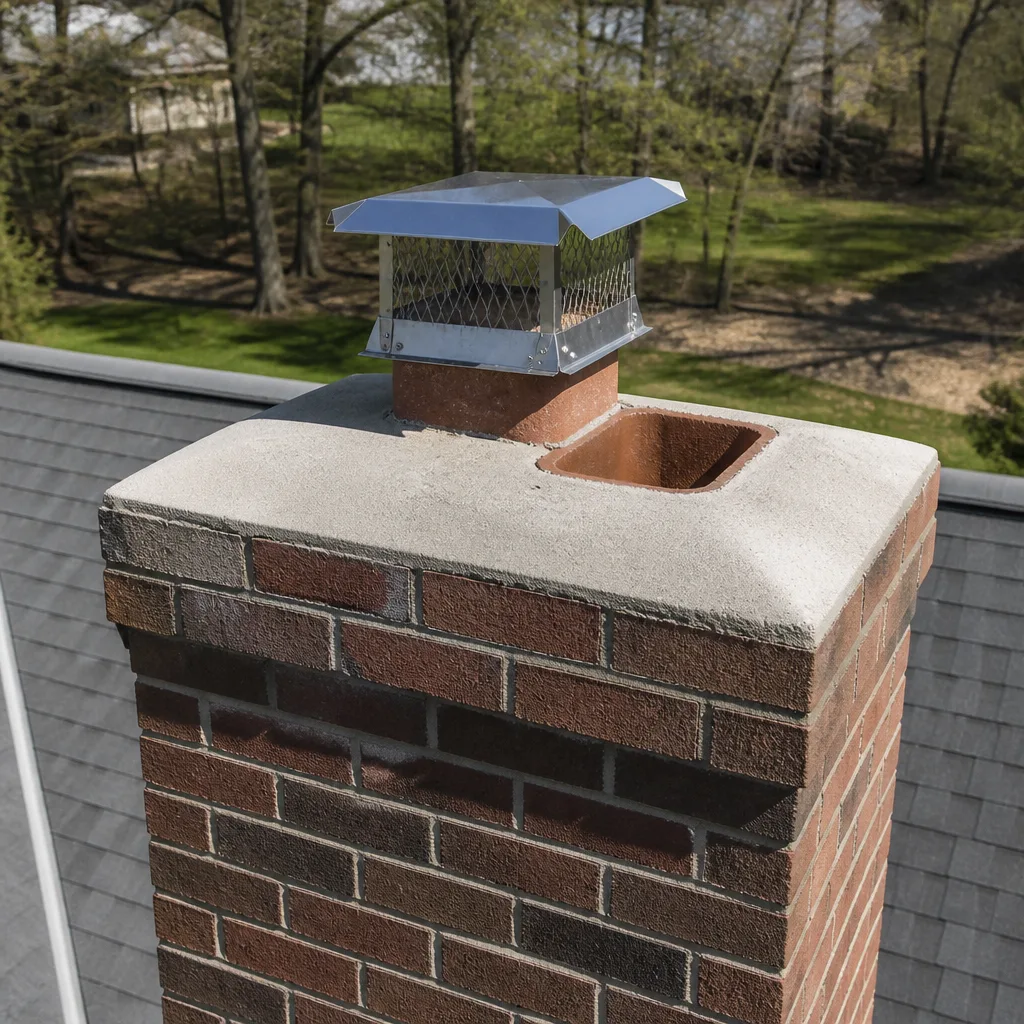 Sweep & inspection
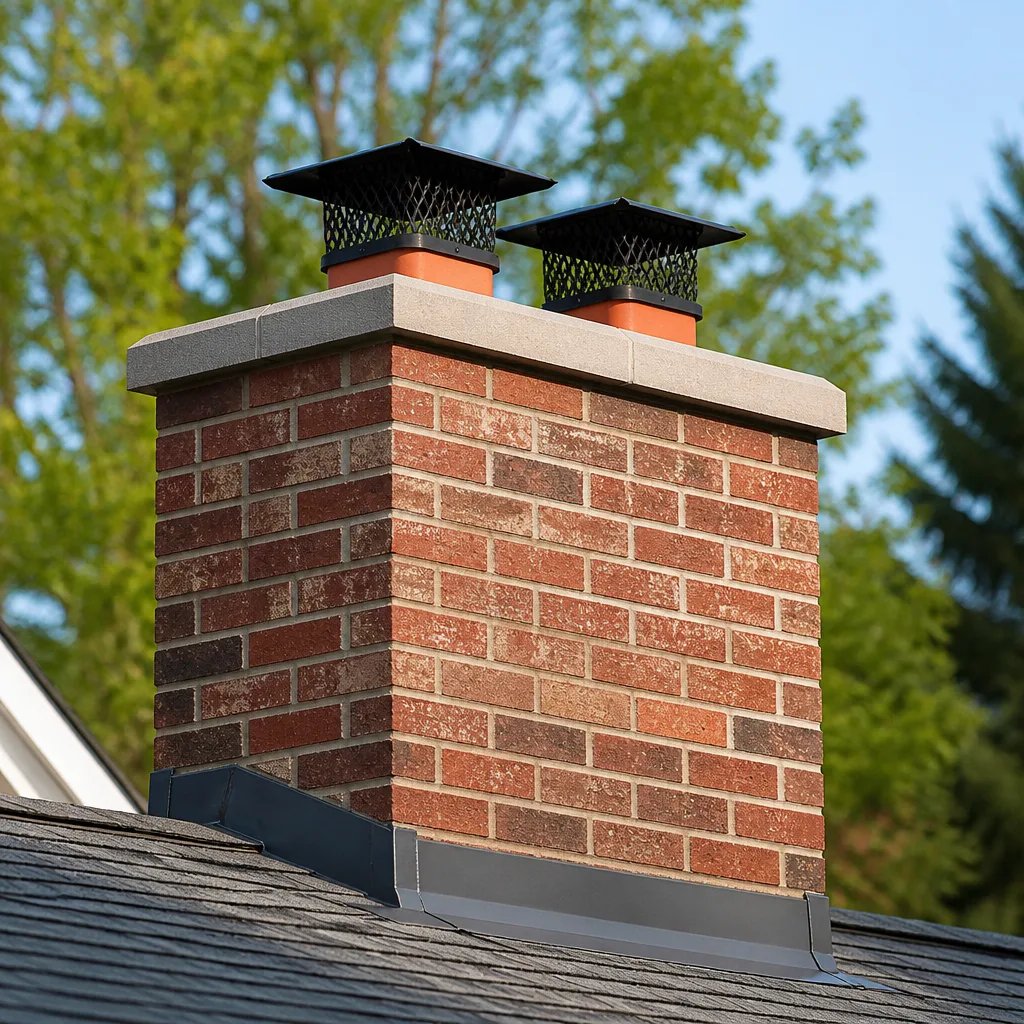 Caps & crowns
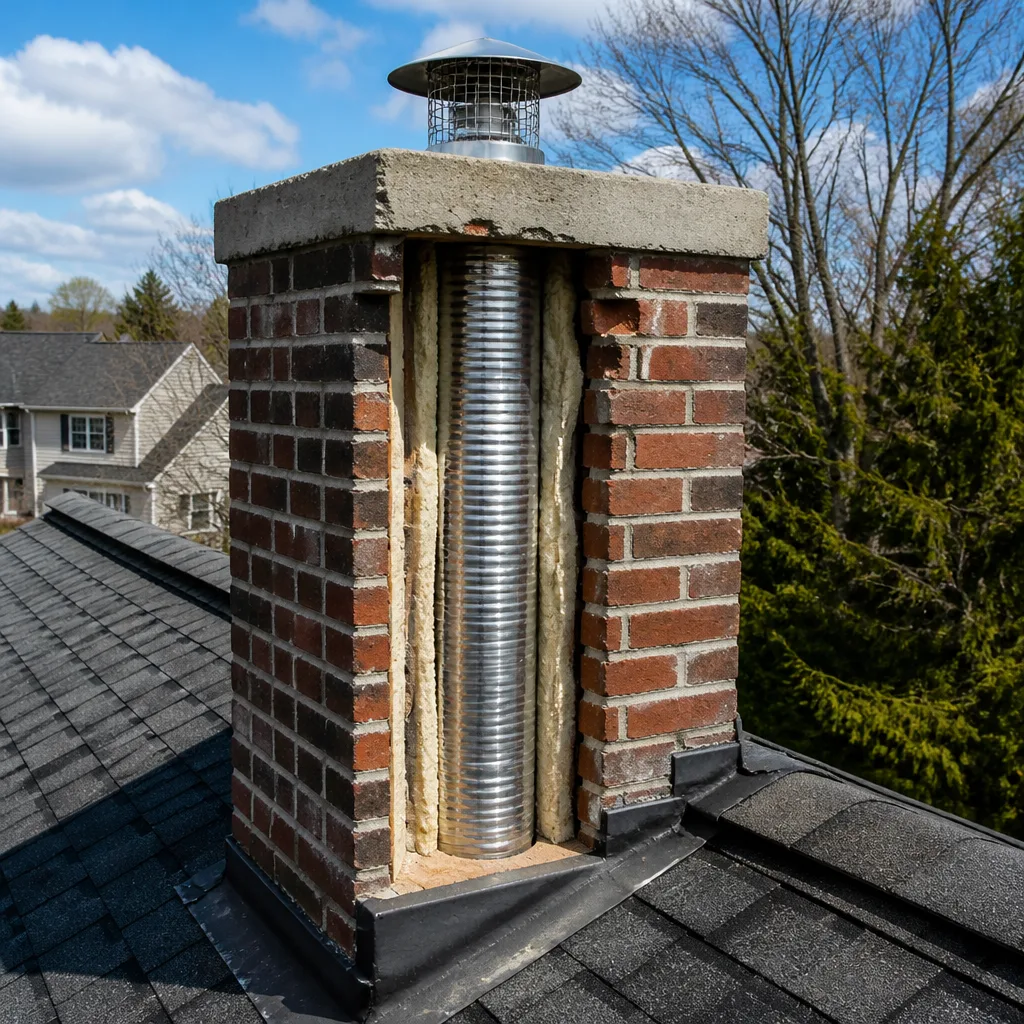 Flue relining
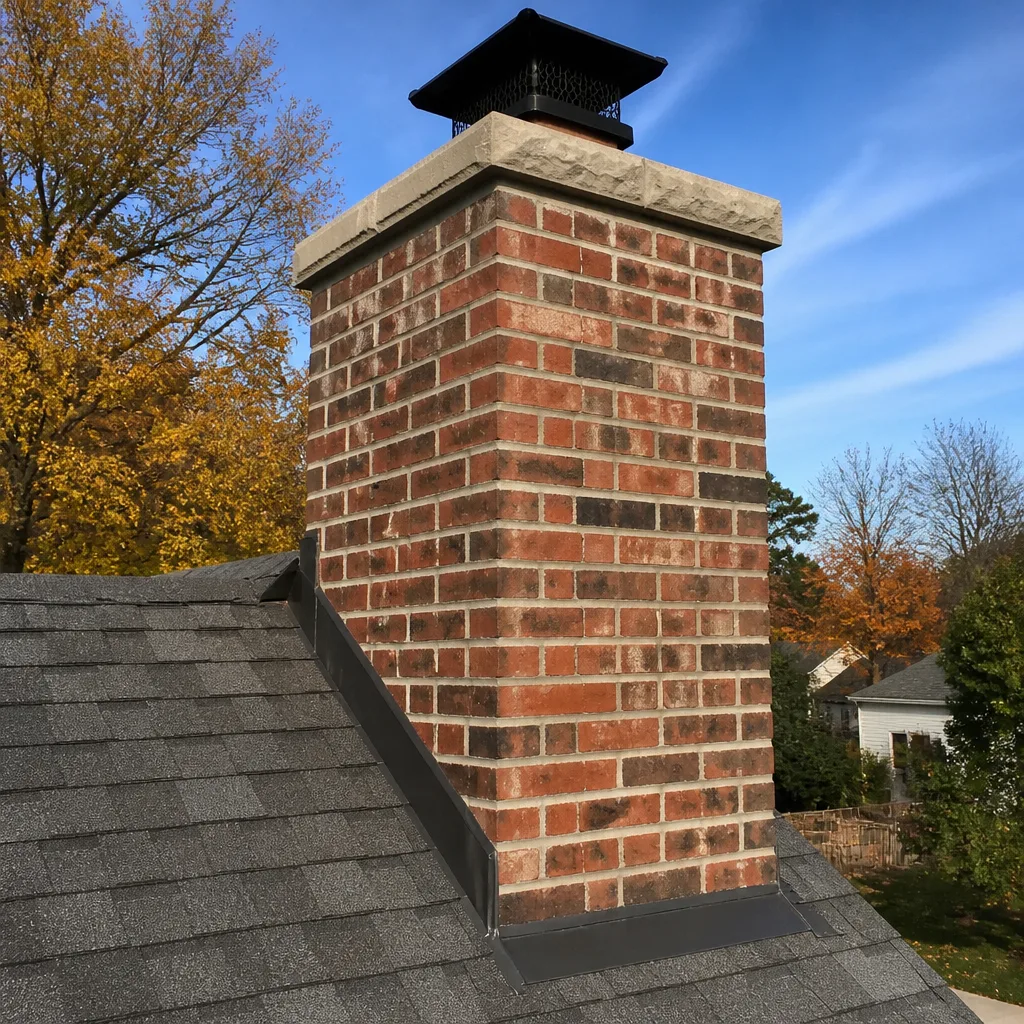 Masonry repair
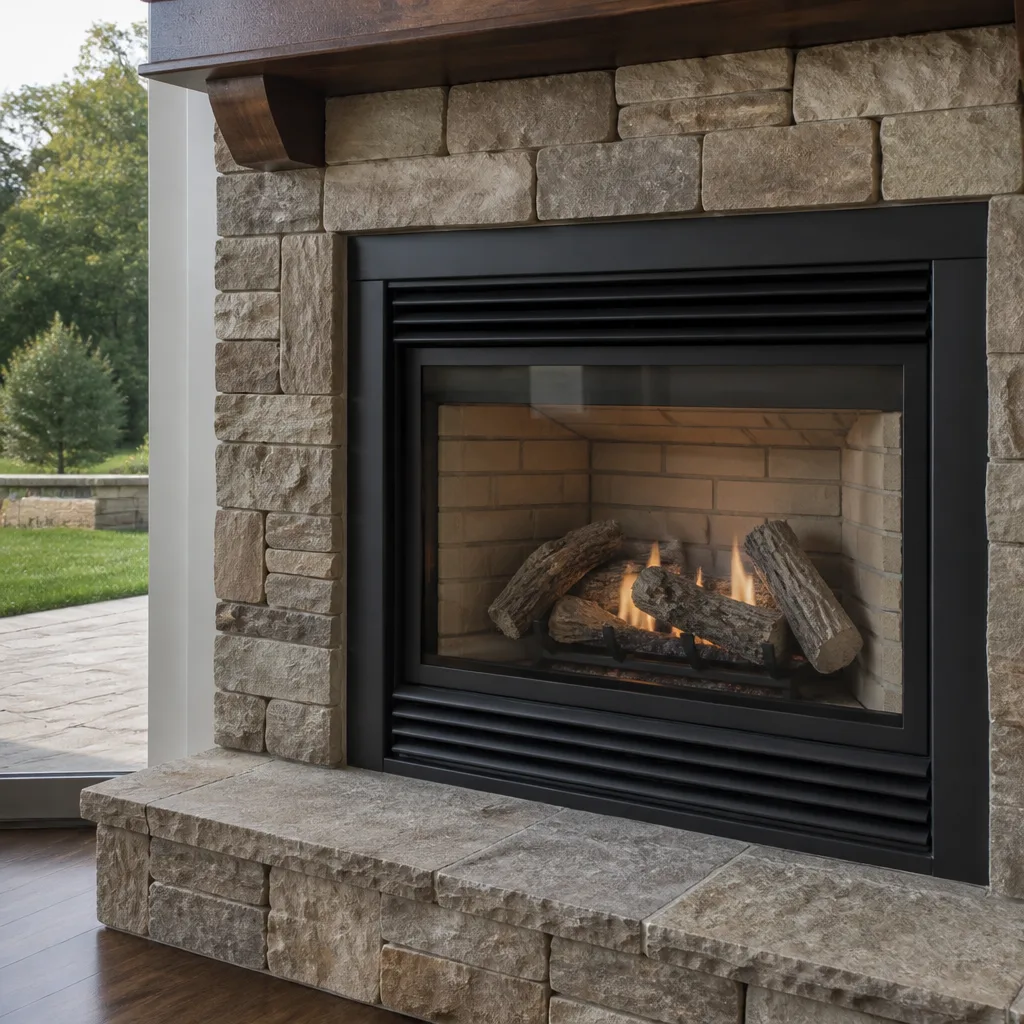 Gas fireplace service
Level 1 sweep and inspection to the NFPA 211 annual standard - flue, crown, cap, and flashing checked and photographed
Chimney sweep logs do not sweep chimneys. They loosen some creosote - which then falls where a brush and vacuum still have to collect it.
Chimney Cleaning Permits, Codes & Inspections in College Station, TX: What You Need to Know
Here’s a common assumption we run into: chimney work is just maintenance, so it never needs a permit. For a standard sweep, that’s true, and most homeowners in College Station never think about codes again. But the moment a job touches a clay liner, a firebox, or the exterior masonry, the residential building code kicks in, and the line between maintenance and regulated repair work gets sharp. A relining job done without a permit can show up years later as an unpermitted improvement during a home sale, and the fix lands on the seller. This guide draws that line clearly: what needs a permit, how NFPA 211 fits in, what a city inspection covers, and the paperwork to keep. By the end you’ll know when to ask for a permit and when a contractor is skipping a step.
Quick Answer
A routine chimney sweep in College Station does not require a permit. Structural repair or replacement work on the chimney system, including relining, firebox rebuilds, and certain exterior masonry repairs, typically does require a building permit from the City of College Station. Inspectors evaluate that work against NFPA 211, the national chimney standard, and the permit plus the inspection sign-off are documents worth keeping for insurance and resale.
Styles & brands we work with
- Sweep & inspection
- Caps & crowns
- Flue relining
- Masonry repair
- Gas fireplace service
Table of Contents
- Where the Line Sits: Sweeping vs. Permitted Repair Work in College Station
- How NFPA 211 Fits Into a College Station Inspection
- What a City of College Station Building Inspection Actually Covers
- How Unpermitted Chimney Work Affects Insurance Claims
- The Paperwork to Keep After Any Permitted Chimney Job
- Rentals, Home Sales, and Chimney Records in College Station
- Timing a Sweep Around the Brazos Valley Year
- Why Material Choice Matters as Much as the Permit
Where the Line Sits: Sweeping vs. Permitted Repair Work in College Station
The cleanest way to think about it: maintenance keeps the system as it is, while repair changes something structural. A brush run through the flue, a check of the firebox, a sweep of the smoke chamber, and a dryer vent cleaning all fall on the maintenance side. None of those alter the structure, and none require a permit. A relining job, a firebox rebuild, replacing a damaged section of flue tile, or rebuilding a chimney crown or the chimney chase all change the structure of the venting system or the exterior masonry. Those are the jobs that typically call for a permit from the City of College Station.
In our experience, the confusion comes from how these jobs overlap. A sweep finds a cracked flue tile. Fixing it means relining. The homeowner thinks of the whole visit as “cleaning,” but the repair portion is a regulated job. That’s why we separate the two in the assessment.
- No permit needed: Standard sweeping, visual inspection, dryer vent cleaning, minor cap or screen work.
- Typically permitted: Liner installation or replacement, firebox rebuild, flue tile replacement, chimney crown rebuild, structural masonry repair.
- Ask the city: Any repair whose scope isn’t obvious. The building department is the final word.
A chimney sweep is the entry point for most homes here, and it’s also where problems get caught before they become permitted repair work. That’s the value of a real assessment rather than a quick brush job. When we find a problem during a sweep, we can diagnose and resolve it in the same service relationship, which means the permit question gets answered by the same people who found the issue.
How NFPA 211 Fits Into a College Station Inspection
NFPA 211 is the national standard for chimneys, fireplaces, vents, and solid fuel-burning appliances. When a City of College Station inspector evaluates chimney work, that standard is the technical reference point: clearances to combustibles, liner integrity, venting through the chimney structure, and the condition of the flue. A contractor who doesn’t know the standard is a risk, because he may install something that looks right and fails inspection.
Here’s what NFPA 211 covers when it matters for inspection:
- Clearances. How close combustible materials can sit to a chimney or vent, and what happens when the clearance is reduced.
- Liner condition. The flue must have an intact, code-compliant liner for its fuel type. Cracks and gaps are failures.
- Venting through the structure. How the vent passes through the chimney and terminates, including the height above the roofline.
- Repair materials. Repairs must use materials rated for the application, not generic hardware-store substitutions.
This is where a professional-grade material list matters. We stock and install liners and components from DuraFlex, HeatShield, and Olympia Chimney because those products carry manufacturer instructions and ratings that inspectors can verify against the standard. Big-box substitutes often can’t be traced to a rated application, and an inspector will notice. In College Station, where a large share of the housing stock has wood-burning fireplaces in mid-century and newer homes alike, the liner question comes up constantly. The standard is the same no matter what the house looks like.
If you’re relining, ask the contractor what standard the work meets. A good answer names NFPA 211 without hesitation.
What a City of College Station Building Inspection Actually Covers
A City of College Station building inspection for chimney work focuses on whether the installed system meets code and the referenced standard. The inspector wants to see the work in its final state: the liner secured and rated, clearances maintained, the vent termination correct, and the repair consistent with what the permit described. It’s not a cosmetic check.
The sequence usually runs like this:
- Contractor pulls the permit before work begins, describing the scope: relining, firebox rebuild, masonry repair.
- Work is completed using rated materials from a professional supplier.
- The contractor requests the inspection with the city.
- The inspector visits and either signs off or identifies corrections.
- The sign-off is issued and becomes part of your home’s record.
Homeowners rarely see this part of the job, and that’s a problem. If the contractor handles the permit and the inspection, you should still receive the permit number and the sign-off confirmation. If you’re asked to request the inspection yourself, that’s a yellow flag about how the contractor operates.
One local note: College Station’s building department sits inside a fast-growing metro, and inspection schedules can fill during busy stretches of the year. If your College Station home needs a reline before the burn season, it’s worth starting the conversation early enough that the permit and inspection can happen without pushing you into the cold months. The urgency here is seasonal rather than hourly, and planning ahead makes the paperwork easy.
How Unpermitted Chimney Work Affects Insurance Claims
This is the section homeowners wish they’d read before the work, not after. If a chimney fire or a carbon monoxide incident leads to an insurance claim, the insurer will look at the cause and the condition of the system. Unpermitted structural work becomes part of that picture. An insurer may question a claim, or reduce it, if a repair was done without a permit and without inspection, because the work was never verified against the code.
We’re careful not to overstate this. Insurance contracts vary, and no two claims are the same. What we can say plainly: permitted, inspected work is far easier to defend than work that has no record at all. And the safety point sits underneath it: a liner that fails clearance requirements or was installed with unrated materials is a genuine hazard, whether or not a claim ever comes up.
Homeowners in College Station ask us frequently whether a sweep affects insurance. It does the opposite of what people fear. A sweep with a written report establishes that the system was maintained, and that record helps if anything ever happens. When we find a repair that needs a permit, we say so and handle it. When the work can safely wait, we say that too. Nothing gets recommended without evidence you can see for yourself, and that includes camera footage and a photo report if a liner is in question.
If you’re unsure whether past work at your house was permitted, the City of College Station can tell you from its records. That’s a phone call worth making before you list a home or file a claim.
The Paperwork to Keep After Any Permitted Chimney Job
The most overlooked part of a permitted job is the paperwork. Homeowners keep the receipt and toss the rest. That’s a mistake. The documents below are what a future buyer’s inspector, your insurer, or a later contractor will ask for, and they’re nearly impossible to reconstruct if lost.
- Permit number. The city’s record of what was approved. It ties the scope of work to a date.
- Inspection sign-off. Confirmation that the finished work met code. This is the single most valuable document of the group.
- Contractor records. The written estimate, the materials list, and the manufacturer documentation for the liner or components installed.
- The sweep or inspection report. The written assessment, photo report, and any camera footage from the assessment that led to the repair.
Keep the originals somewhere permanent, along with the rest of your home maintenance records. A digital copy helps. When you sell, the buyer’s inspector will look at the chimney, and being able to hand over a permit and a sign-off shortens the conversation considerably. The same documents carry weight if an insurance claim ever comes up.
We hand these over as a matter of course. A flat-price sweep with a written report included is part of how we work, and it applies to the repair side too. Professional-grade materials from HeatShield or Gelco come with documentation, and that documentation is yours to keep.
Rentals, Home Sales, and Chimney Records in College Station
College Station’s rental market and its steady turnover of homes mean chimney records travel between owners more often than in older, slower-moving towns. A house near the university may have passed through several owners, and each change of hands is where unpermitted work can surface. A buyer’s inspector looks at the chimney, asks for records, and finds nothing. The fix becomes the seller’s problem.
The practical defense is simple: keep the paperwork, and if you bought a home without chimney records, get the system assessed before you use it. A sweep and inspection with a written report establishes the condition as of a known date. If repairs are needed, you’ll know whether a permit is part of the job, and you’ll be the one deciding rather than the one discovering.
We see the same pattern with rentals. A landlord who maintains chimney records protects the property and the tenants, and a permitted repair is easier to defend than an undocumented one. In College Station, where the rental population is large, that distinction comes up more often than homeowners expect.
Timing a Sweep Around the Brazos Valley Year
North Texas and the Brazos Valley get hot summers and mild winters. That’s the local rhythm that shapes chimney work. The firebox sits idle for months, then gets used through the cooler stretches, and by the time fall arrives, a season’s accumulation is sitting in the flue. Sweeping before the burn season is the right move. It clears creosote and debris, it produces a written report, and it catches problems while there’s still time to permit and schedule any repair before the first fire.
The off-season is a good time for the repair work that requires a permit. Liner installation, firebox rebuilds, and masonry repair don’t need cold weather, and the inspection schedule is generally easier to fit. Planning the year around a pre-season sweep and any permitted repair keeps the work from stacking up.
Dryer vent cleaning follows its own schedule, and it deserves a spot on the annual list. It’s one of the most overlooked household fire hazards, and a clogged vent is a real risk regardless of season. From the firebox to the dryer vent, a complete look at the venting in your home is part of fire safety, and it’s something a single specialist relationship can cover.
Why Material Choice Matters as Much as the Permit
A permit with unrated materials is only half the job. The inspection evaluates what was installed, and the materials determine whether the installation can pass. That’s why the material list on the estimate is worth reading closely.
We work with DuraFlex, HeatShield, Gelco, Olympia Chimney, Famco, and Copperfield. These are the suppliers professional chimney contractors use, and their products carry the ratings and manufacturer instructions an inspector can reference. A generic hardware-store substitute often lacks that paper trail, and when the inspector asks what was installed, “a liner from the box store” is not an answer that holds up.
This is also where repair capability matters. When a sweep finds a cracked flue tile, the same team can assess the liner, recommend the right product, pull the permit, install it, and request the inspection. That continuity is worth more than a lower bid from a sweep-only service that hands the repair to someone else. You can read more about how we handle the maintenance side of the work on our home page, and how the same company handles dryer vent cleaning for the other half of your home’s venting.
Our name comes from the chimney itself. A saddle, or cricket, is the structure that keeps water out of the stack where it meets the roof. We take that as a standard for trade fluency: know the system from the inside, including the parts nobody sees.
Common Mistakes to Avoid
- Assuming all chimney work is permit-free. Sweeping usually is, but relining, firebox rebuilds, and structural masonry repair typically aren’t. Ask before the work starts, not after.
- Letting the contractor keep the permit documents. The permit number and inspection sign-off belong in your records, and they’re nearly impossible to reconstruct if lost.
- Accepting a reline without the manufacturer documentation. A liner should come with rated product details from a supplier like DuraFlex or Olympia Chimney. Paperwork-free liner work is a red flag.
- Booking a sweep for the first cold week. In College Station, the fall rush is real. Sweep before the burn season so any repair that needs a permit has time to happen.
- Skipping the chimney assessment when buying a resale home. Turnover near the university means records travel. Get the system assessed before you use it.
- Treating the dryer vent as separate from fire safety. A clogged dryer vent is a leading household fire hazard, and it belongs on the same annual list as the chimney.
- Hiring a sweep-only service with no repair capability. When a problem turns up during a sweep, the referral runaround costs time and cuts the repair into pieces nobody owns.
See the difference
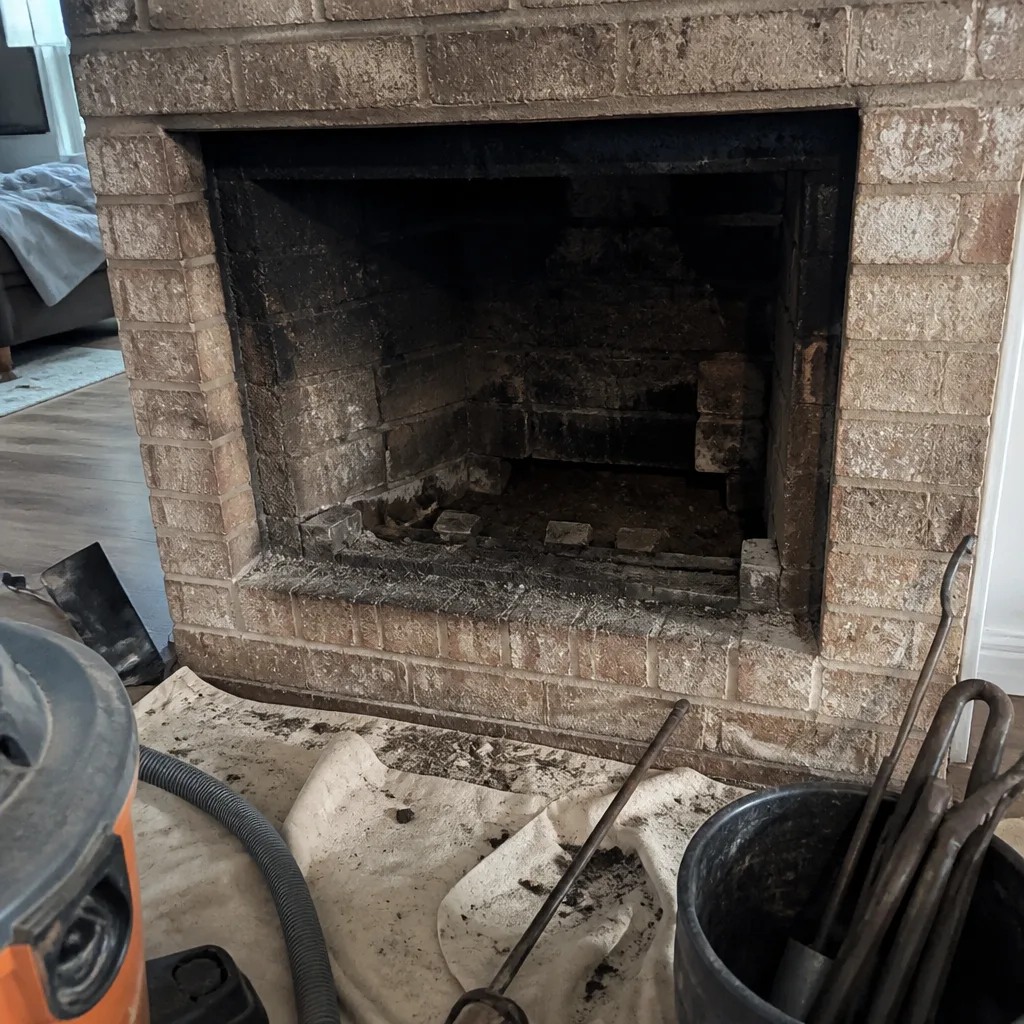 Before
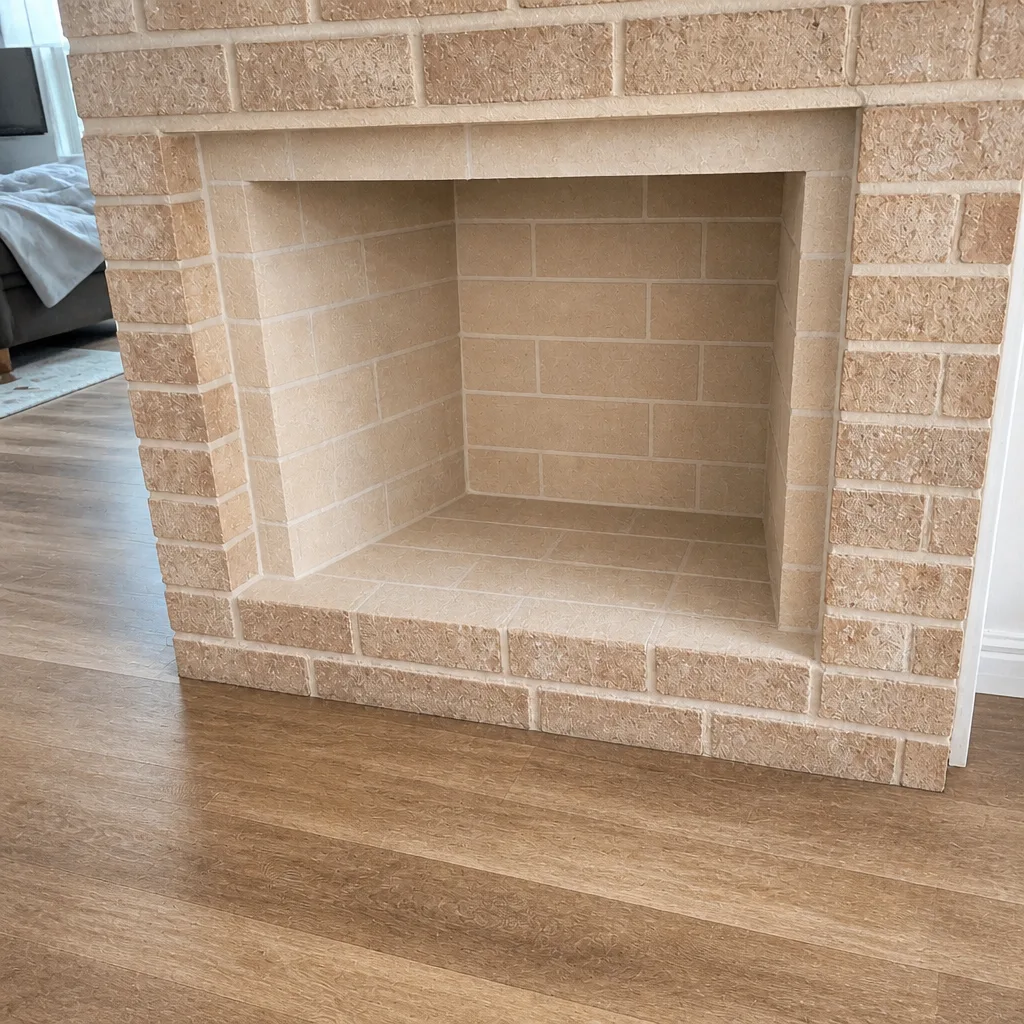 After
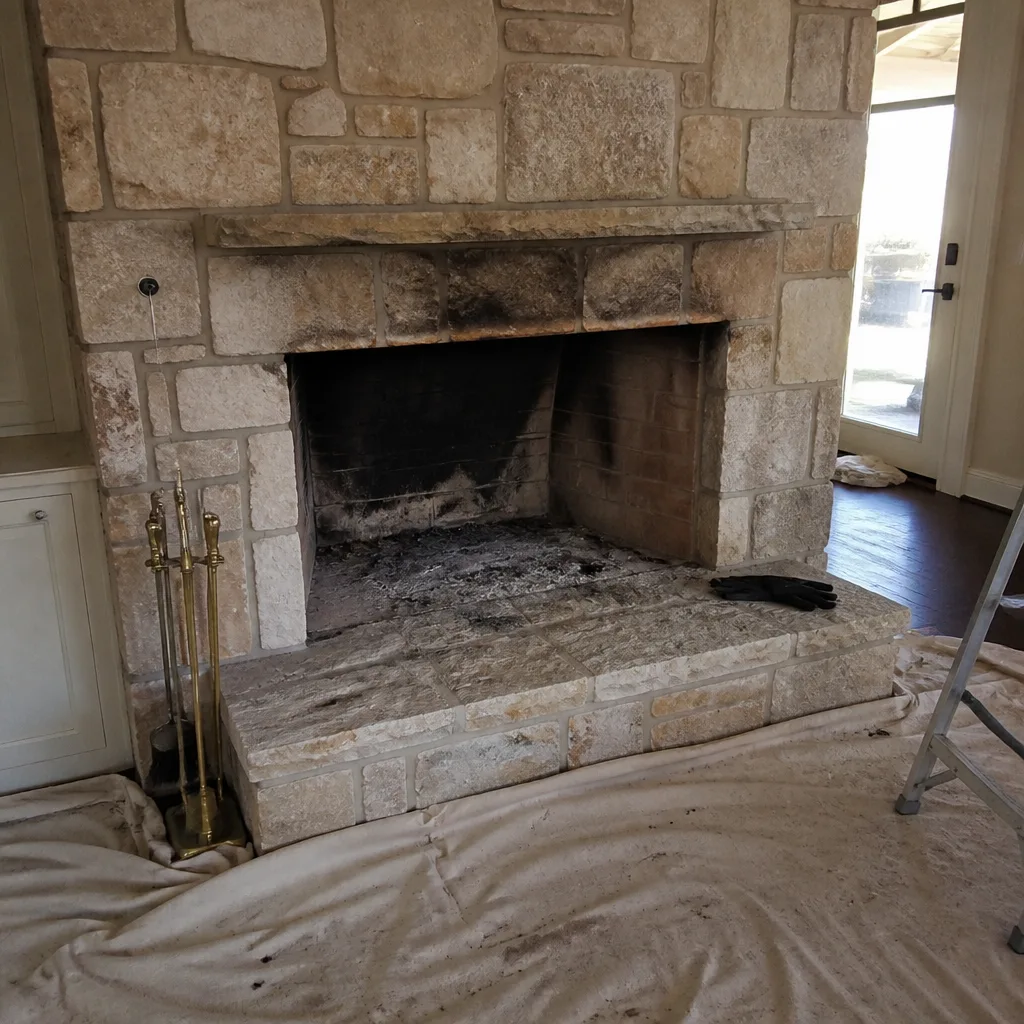 Before
 After
 Before
 After
When to Call a Professional
Call a professional for the annual sweep and inspection, and call sooner if you notice changes in how the fireplace behaves. Call for any repair that touches the liner, firebox, or exterior masonry, because that’s where the permit question lives. Call if you’re buying or selling a College Station home and want the chimney assessed with a written report you can pass along. Call if it’s been a season or more since the dryer vent was cleaned. And call if past work at your house is undocumented and you want to know what you’re dealing with before it matters.
Saddle Chimney Sweep offers free estimates in College Station. Call (844) 538-0969. We answer 24/7. Fast dispatch from 7am to 7pm, Sunday through Friday.
Frequently Asked Questions
No. A routine chimney sweep is classified as maintenance and does not require a permit in College Station. The permit requirement applies to structural repair work: relining, firebox rebuilds, flue tile replacement, and masonry repair, which typically call for a building permit from the City of College Station. Call (844) 538-0969 for an exact quote on the care your system needs; estimates are free.
Only if the existing liner fails inspection. A cracked or deteriorated flue liner, or one that isn’t rated for the appliance, needs to be addressed, and that’s a permitted repair. Nothing gets recommended without camera evidence you can see for yourself, and some liner issues can wait if the system isn’t in use. Call (844) 538-0969 and we’ll tell you plainly which side of that line you’re on.
Once a year is the standard, and it’s the right answer for most College Station homes that burn wood. Sweeping before the burn season catches creosote buildup and liner problems while there’s still time to permit any repair. If the fireplace sees heavy use, or the system hasn’t been assessed in a while, a sweep sooner makes sense. Call (844) 538-0969 for an exact quote; estimates are free.
Creosote accumulates, and the risk of a chimney fire climbs with it. A damaged liner also lets combustion gases into the structure, which is a carbon monoxide risk. Skipping the annual assessment means those problems go unseen. We’re careful not to scare-sell, but the risk is real. Call (844) 538-0969 to schedule an assessment.
The City of College Station can tell you from its permit records. If no permit exists and the work was structural, that’s a gap worth addressing before a sale or an insurance claim forces the question. A current assessment with a written report establishes the condition as of a known date. Call (844) 538-0969; estimates are free.
Keep four things: the permit number, the inspection sign-off, the contractor’s written records including the materials list, and the sweep or inspection report with its photos. The sign-off matters most, because it’s the city’s confirmation that the work met code. Call (844) 538-0969 with questions about the paperwork for a job; estimates are free.
The Bottom Line
Sweeping is maintenance and doesn’t need a permit. Relining, firebox rebuilds, and structural masonry repair in College Station usually do. The inspection that follows is evaluated against NFPA 211, and the materials determine whether the work passes. Keep the permit number and the sign-off; they carry weight at resale and during an insurance claim. And treat the annual sweep as the starting point: it’s where problems get caught, and it’s where a repair-capable specialist matters more than a brush-only service. The urgency here is seasonal, not hourly, so the right time to plan is before the burn season.
Call (844) 538-0969 for a free estimate. We answer 24/7. Fast dispatch from 7am to 7pm, Sunday through Friday.
Written by the team at Saddle Chimney Sweep.