
Last updated November 15, 2026
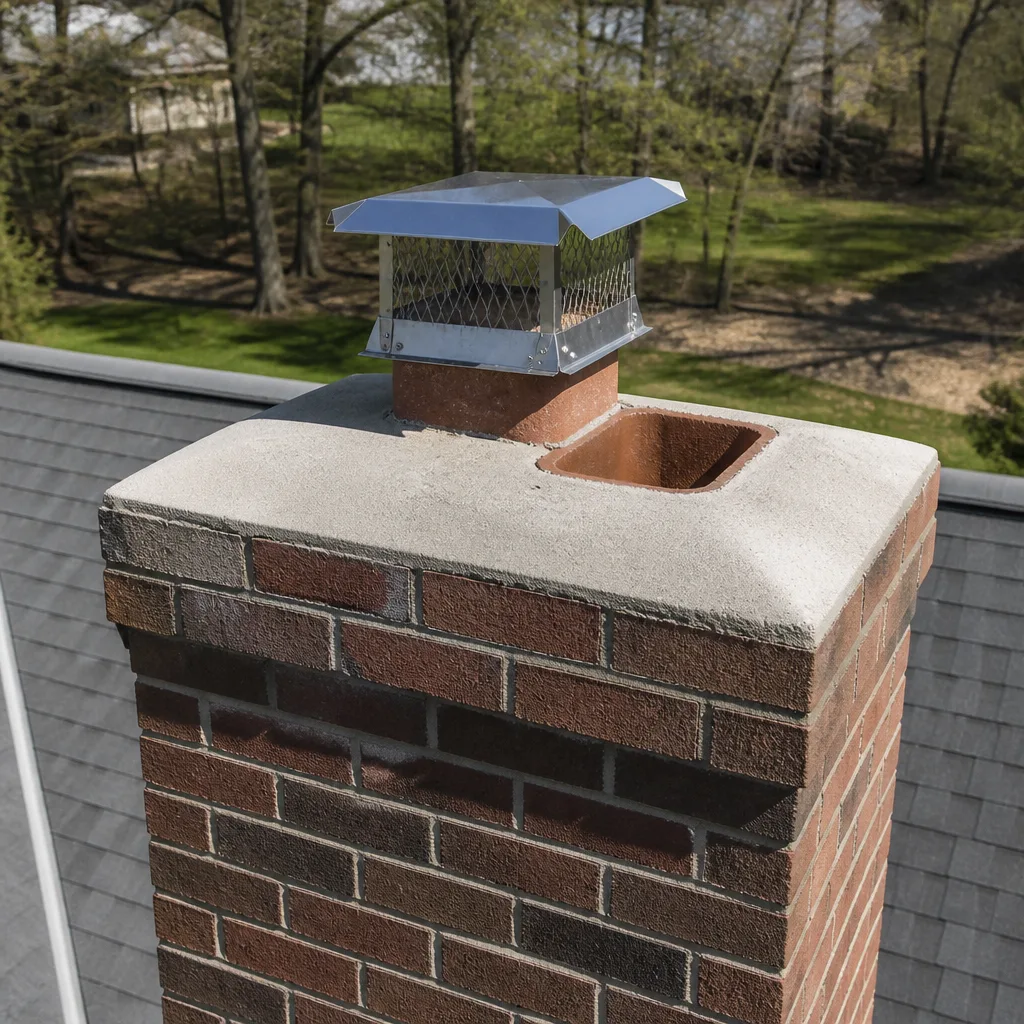 Sweep & inspection
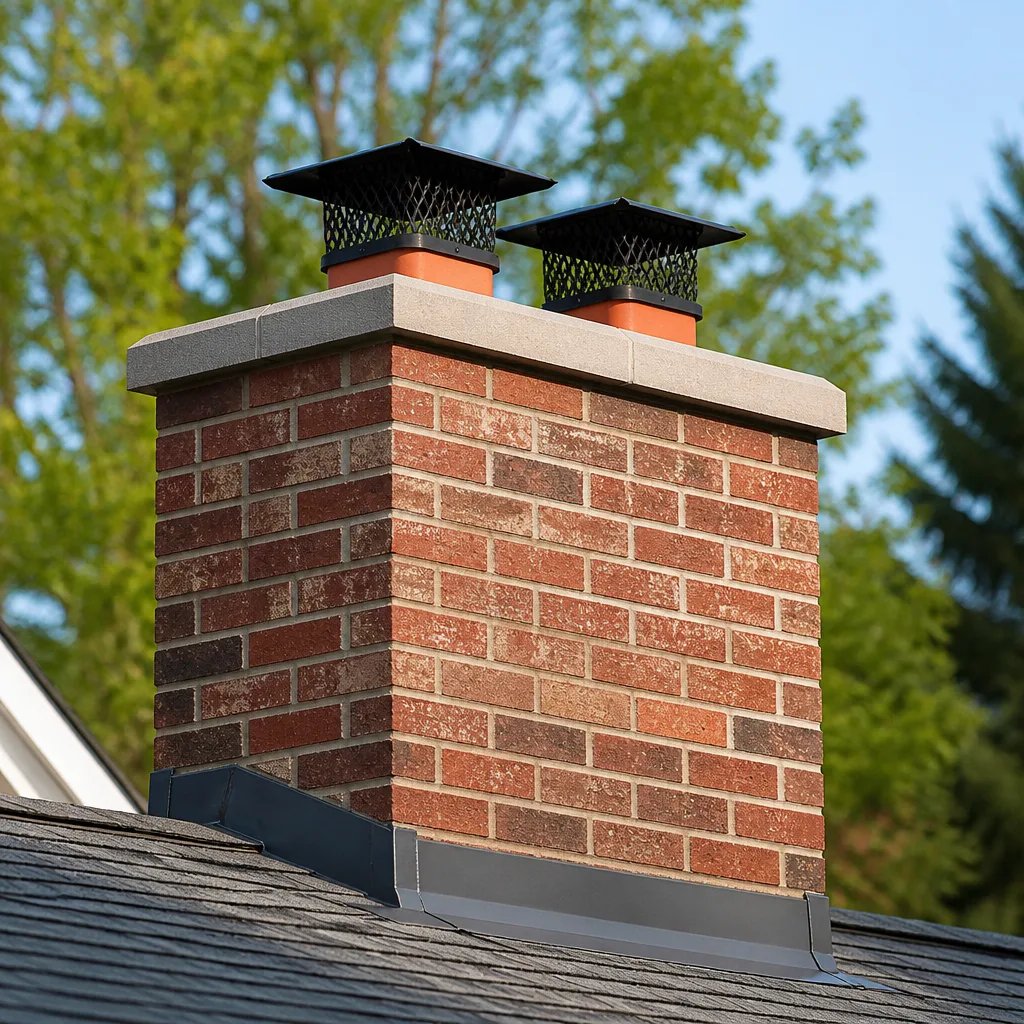 Caps & crowns
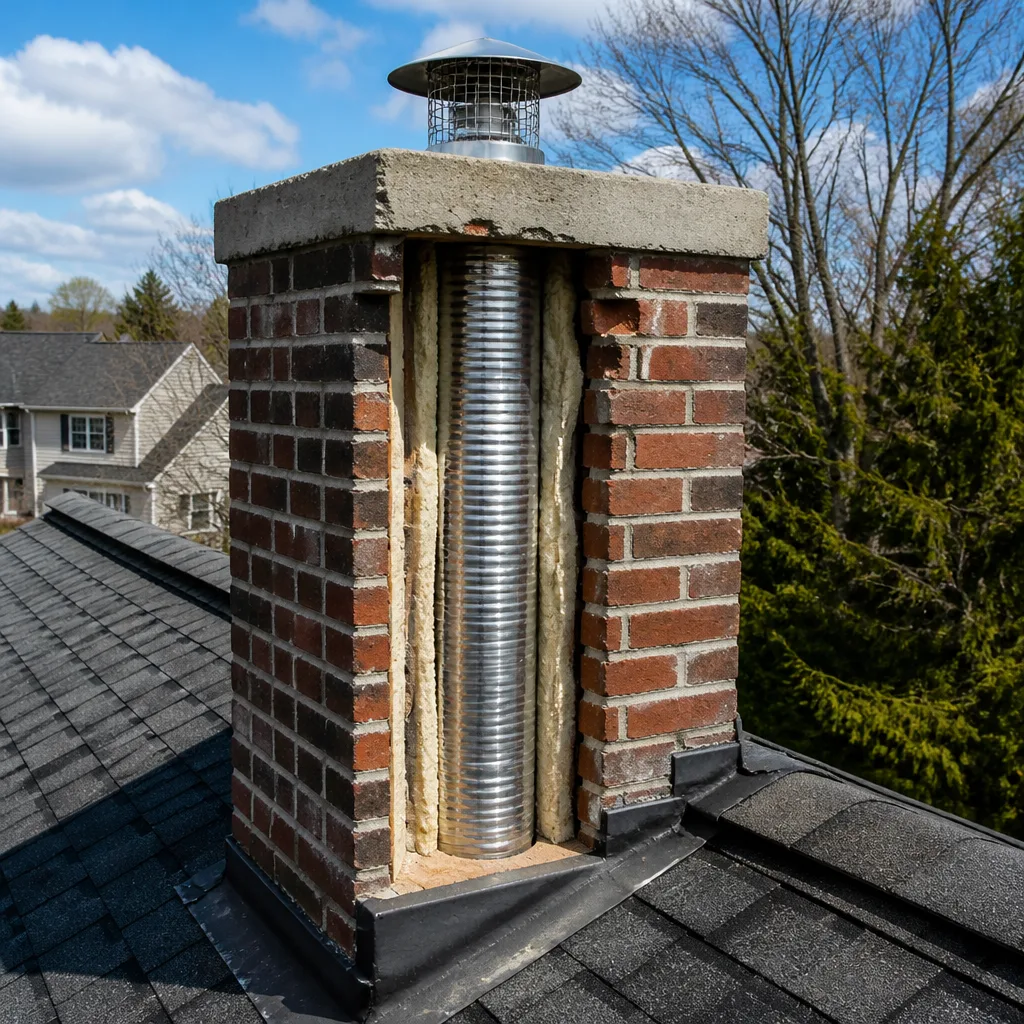 Flue relining
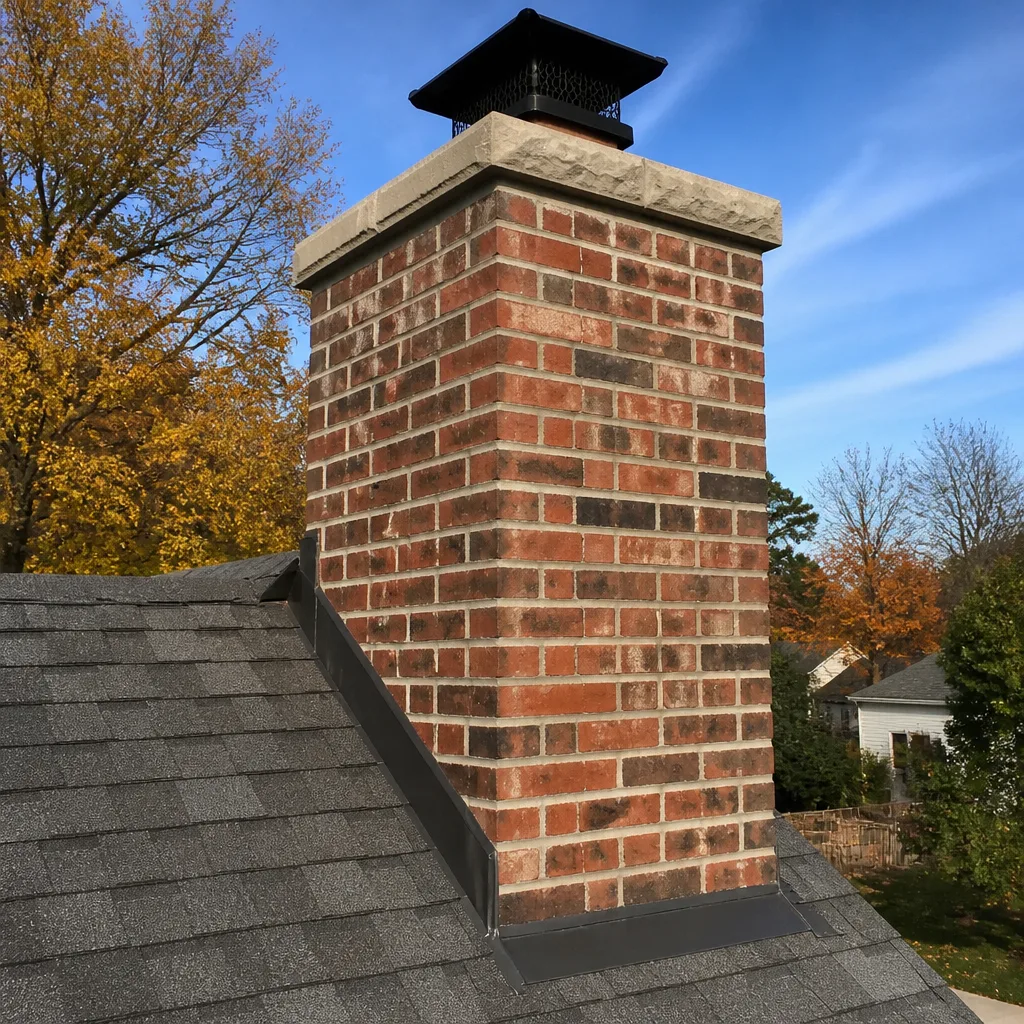 Masonry repair
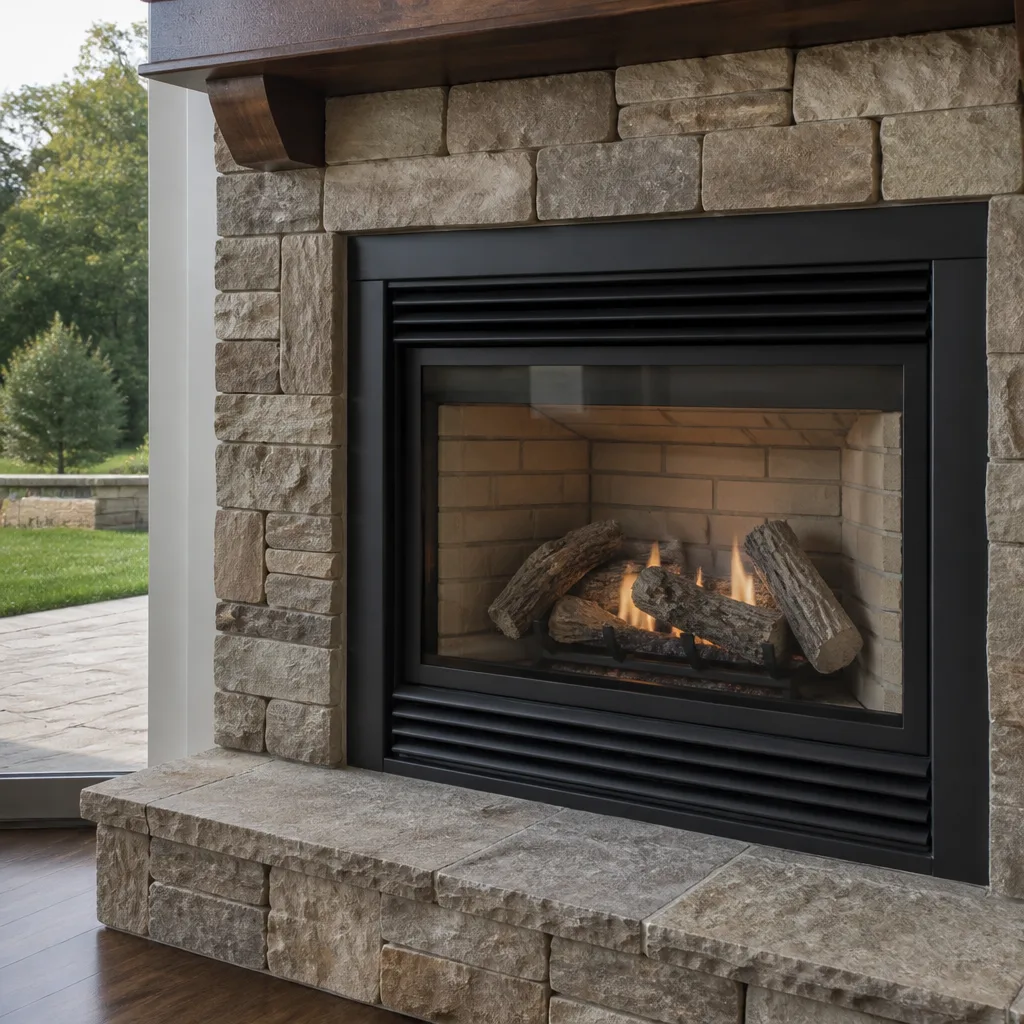 Gas fireplace service
Level 1 sweep and inspection to the NFPA 211 annual standard - flue, crown, cap, and flashing checked and photographed
Chimney sweep logs do not sweep chimneys. They loosen some creosote - which then falls where a brush and vacuum still have to collect it.
The Complete Guide to Chimney Cleaning in College Station
Most chimney fires don’t start in heavily used fireplaces. They start in chimneys that were lit a handful of times, then forgotten for years. That’s the pattern we see across College Station, where winter is short enough that a fireplace gets a fire on the coldest few nights and nothing more. Short burn seasons hide problems beautifully, because a fire that burns clean for six evenings a year still leaves creosote behind, and humidity keeps working on the masonry between those evenings. This guide walks the whole system, from firebox to crown, so you know what a real cleaning covers, what an inspection should catch, and when a clean-out needs to become a repair.
Quick Answer
Chimney cleaning in College Station means sweeping the full flue and firebox, removing creosote and soot, checking the damper, smoke chamber and cap, and inspecting the liner and crown for damage. Most wood-burning chimneys need a sweep once a year or after roughly a cord of wood, whichever comes first. Gas appliance vents run on a different schedule and are often skipped entirely, which is a mistake worth correcting.
Styles & brands we work with
- Sweep & inspection
- Caps & crowns
- Flue relining
- Masonry repair
- Gas fireplace service
Table of Contents
- Why mild winters make chimney cleaning more important, not less
- What a full-system sweep actually covers
- Level 1, Level 2 and Level 3 inspections: which one you need
- How College Station humidity changes creosote and masonry
- Gas appliance vents and why they get skipped
- Red flags that turn a cleaning into a repair
- The dryer vent: the other chimney in your home
- What chimney cleaning costs and how to compare estimates
Why Mild Winters Make Chimney Cleaning More Important, Not Less
In a cold climate, a chimney gets used enough that homeowners notice the symptoms: the draft gets lazy, the glass soots up, the smell changes. That feedback loop is missing in College Station. The burn season is short, the fireplace sits idle most of the year, and there’s no regular use to tell you something has gone wrong. So the chimney doesn’t get cleaned because it “barely gets used,” and the creosote from those few fires just sits there, absorbing moisture and bonding harder to the flue walls.
There’s a second factor specific to this market: the mix of appliances. College Station has a lot of homes with gas fireplaces and gas inserts alongside older wood-burning fireplaces, plus newer builds where the fireplace is more decorative than functional. Each of those systems has its own venting and its own cleaning interval, and a homeowner with a gas insert may reasonably assume there’s nothing to sweep. That assumption is where problems hide.
Here’s what we tell people when they wonder whether it’s worth booking a sweep in a town where it rarely freezes:
- Creosote accumulates by volume burned, not by season length. A few dense, slow-burning fires on damp wood can leave as much deposit as a month of hot fires.
- Idle chimneys collect more than smoke. Nesting birds, wasp nests, and leaves find an open flue during the long off-season.
- Sitting creosote hardens. Fresh deposits are easier to remove. Seasoned glaze-stage creosote is not, and it burns hotter when it does ignite.
- You can’t judge buildup by looking up from the hearth. The firebox and lower flue can look spotless while the upper flue is coated.
The honest version is this: a chimney that gets used infrequently still deserves an annual look, and a proper chimney sweep is how you confirm the system is sound before the next burn season arrives.
What a Full-System Sweep Actually Covers
A real cleaning works top to bottom through seven components. A quick brush passed down the flue is not the same thing. Here’s the checklist we work through on a typical College Station home:
- Firebox. Soot and ash removed, refractory brick and mortar joints checked for cracks that could let heat reach the structure behind them.
- Damper. Tested for free movement. A damper that sticks open or won’t open fully is a draft and efficiency problem, and sometimes a sign the assembly needs repair.
- Smoke shelf and smoke chamber. This is the sloped transition between the firebox and the flue, and it’s where turbulence deposits a stubborn layer of soot. It gets brushed and scraped, not just swept. A rough smoke chamber can slow the smoke and make the fireplace back-draft.
- Flue and liner. Brushed with the correct size and stiffness of brush for the flue’s construction. Clay tile, stainless, and older unlined flues all demand different handling.
- Cap and spark arrestor. Checked for debris and damage. A clogged cap is one of the most common causes of poor draft in this area.
- Crown. Inspected for cracks that let water into the masonry. This is where the name of our company comes from: a saddle, or cricket, is the structure that sheds water away from the chimney, and a failing crown is a water problem waiting for the next heavy rain.
- Exterior and flashing. A visual check of the joints where the chimney meets the roof, since a leak there shows up as masonry damage lower down.
When we find a problem during a sweep, we can fix it. That’s the difference between a cleaning-only service and one that also carries out repair. We work with professional-grade components from suppliers like Copperfield, DuraFlex, and HeatShield, not hardware-store substitutes, so a repair is done with materials built for the job.
Level 1, Level 2 and Level 3 Inspections: Which One You Need
Three levels of chimney inspection exist, and most College Station homeowners need a Level 1 during routine service or a Level 2 when something has changed. The level isn’t about the size of the chimney; it’s about how much of the system the technician can see.
- Level 1. A visual inspection of all accessible parts of the chimney, firebox, and connected appliance, done during normal service with commonly available tools. This is right for a chimney that’s in known good condition and hasn’t changed.
- Level 2. Everything in a Level 1, plus accessible areas of the attic, crawlspace, and other parts of the system, often with a camera. This level is called for when you change fuel types, replace an appliance, buy a home, or after a chimney fire or a seismic event. If you’ve just moved into a house in College Station, ask for a Level 2 before your first fire, because you don’t know the chimney’s history.
- Level 3. The most involved level, used when a serious hazard is suspected and parts of the chimney or building must be opened up to inspect concealed areas. This is rare and is usually the result of something the lower levels couldn’t resolve.
The practical takeaway: routine annual cleaning with a Level 1 is fine for a known chimney. A new-to-you house, a new insert, a change from wood to gas, or any past chimney fire means a Level 2. We watch a camera feed and take photos so you can see what we see rather than taking our word for it. That evidence is the difference between a real assessment and a sales pitch.
How College Station Humidity Changes Creosote and Masonry
Humidity is the quiet factor in this region, and it does two things to a chimney that drier climates rarely see. First, creosote absorbs moisture from humid air and turns into a harder, denser layer that clings to the flue. Fresh soot and soft creosote come off easily with a brush. Once it has soaked up humidity over a long off-season, it bakes and hardens, and glaze-stage creosote is much harder to remove and much more flammable.
Second, masonry is porous. A brick chimney in a humid climate pulls moisture into its surface, and that moisture expands and contracts with the seasons. Over time it can spall, meaning the face of the brick flakes and falls away. The crown and the mortar joints are the first place it shows. Once water gets into the masonry, small cracks widen, and a repair that would have been minor becomes a rebuild.
This is why the condition of the crown and the mortar matters more here than the amount of wood burned. If you want to protect the structure, look for:
- Cracked or crumbling mortar joints on the exterior stack
- Spalling brick, where the surface is flaking off
- A cracked crown, or one that sits flat instead of sloping away from the flue
- Rust on the damper or firebox hardware, a sign of moisture getting in
- Staining on the masonry or ceiling below the chimney line
Repointing the joints and repairing the crown is what keeps the system intact, and it’s the kind of repair we handle with HeatShield and similar professional materials. If you want the broader picture, the sweep is the right starting point, because the inspection that comes with it is when masonry problems surface.
Gas Appliance Vents and Why They Get Skipped
Gas appliances still have a vent, still produce exhaust, and still need attention. A gas fireplace, insert, or furnace doesn’t leave creosote the way wood does, but it does leave its own deposits, and the vent can clog or corrode in the off-season. Because there’s no ash and no soot on the glass, homeowners assume there’s nothing to clean, so the vent gets skipped year after year.
The right schedule depends on the appliance and the vent type. A straightforward gas fireplace vent inspected annually is reasonable for most households. A high-efficiency appliance with a sealed vent, or one with a long horizontal run, deserves a closer look at the intervals the manufacturer specifies. The point is that a gas vent is not a set-and-forget component, and a homeowner who relies on a gas insert for winter heat should have it checked before the season, not after the first cold snap.
Pair that with this: carbon monoxide from a blocked or corroded vent is colorless and odorless. We don’t want to alarm you, but this is exactly why a vent check belongs in a yearly routine. If your carbon monoxide detector has been sounding, or the pilot light keeps going out, stop using the appliance and get it looked at.
Red Flags That Turn a Cleaning Into a Repair
Not every cleaning can become a repair on the spot, and none of us want a sweep that turns into an emergency. When these show up during an inspection, the fire should stay out until the system is fixed:
- Cracked or missing clay tiles in the flue liner, or a damaged stainless liner. A broken liner lets heat and gases reach the framing around the chimney.
- Glazed, tar-like creosote at the top of the flue. This stage of creosote burns hot and needs careful removal before the fireplace is safe.
- Failed mortar crown or significant spalling. Water has been entering the masonry, which means the structure needs repair, not just a sweep.
- A cracked firebox or crumbling refractory. Heat can pass through the firebox cracks into the surrounding structure.
- Loose or missing chimney cap. It can be a sign of animal activity or of a cap that has aged out of place.
- A strong, persistent smoke smell after the fire is out. This can mean the flue is blocked or the chimney is back-drafting, and it should be checked before the next fire.
If a red flag turns up during a cleaning, the right move is to hold off on burning and address the repair. Because we handle repair as well as sweeping, you don’t need to call a different contractor to carry out the fix. That continuity is what the phrase “no second contractor” actually means in practice.
The Dryer Vent: The Other Chimney in Your Home
Your dryer has a vent that carries hot, lint-laden air outside, and that vent clogs over time. Lint is highly flammable, and a blocked dryer vent traps heat and lint together, which is one of the more common causes of household fires and one of the most overlooked. It gets skipped because it’s out of sight and because the symptom is slow: clothes take longer to dry, the dryer feels hotter than it used to, or the outside flap barely opens.
dryer vent cleaning is the same fire-safety logic applied to a different part of your home. You’ll want it checked if your clothes are taking two cycles to dry, if it’s been a long time since the vent was cleaned, or if you see lint collected around the outside vent. It’s a good pairing with a chimney sweep, since both are about keeping hot exhaust moving safely out of the house.
Between cleanings, here’s what helps:
- Remove lint from the dryer’s lint screen after every load, and remember that not all lint is caught there.
- Check that the exterior flap opens freely when the dryer runs.
- Keep the flexible connector behind the dryer short and as straight as possible. Long, kinked runs are where lint collects.
From the firebox to the dryer vent, the goal is the same: keep the paths that carry hot air and exhaust open and clean.
What Chimney Cleaning Costs and How to Compare Estimates
Chimney cleaning in College Station is priced per job by a written estimate, and that estimate is free. We don’t quote over the phone from a price sheet, because the system you have matters more than the square footage of the house. A wood-burning flue, a gas insert vent, and a dryer vent are different jobs, and a chimney with a crown repair or a crown-heavy masonry job is a different job again.
The best way to compare estimates is to compare scope, not just the number. Ask these questions:
- Does the price include a full inspection, and will I get photos?
- Which components are cleaned, and are those components listed?
- Is the estimate flat-price and agreed before the work begins, or could it change once the truck arrives?
- If a repair is needed, is the company able to do it, or do I need to hire someone else?
- Are the materials used professional grade, from established chimney suppliers?
We give a flat price for the clean, agreed before we book, with a camera inspection and a photo report included. When a repair turns up, we can show you the evidence and offer the options, and we expect to walk through them with you, not push one at you.
Common Mistakes to Avoid
- Skipping the sweep because the fireplace barely gets used. In College Station’s mild climate, low-use chimneys hold creosote for years, and that hardened deposit is the dangerous kind.
- Treating a gas fireplace as maintenance-free. A gas insert still vents, still clogs, and should be checked on its own schedule.
- Assuming the firebox is the whole chimney. The smoke chamber, flue, crown and cap are where the real problems show up, and a short brush down the flue misses several of them.
- Letting a cracked crown go another season. The humid air here turns a small crack into masonry damage that costs real money to fix.
- Hiring a sweep that can’t do repairs. If the inspection finds a liner or masonry problem, a cleaning-only service leaves you with a second call to a second company.
- Using big-box parts for a liner repair. A liner is a safety component, and professional-grade materials from a maker like Famco or Olympia Chimney are the right choice.
- Ignoring the dryer vent. The dryer is one of the more overlooked fire hazards in a home, and a clogged vent is a real problem, not a minor annoyance.
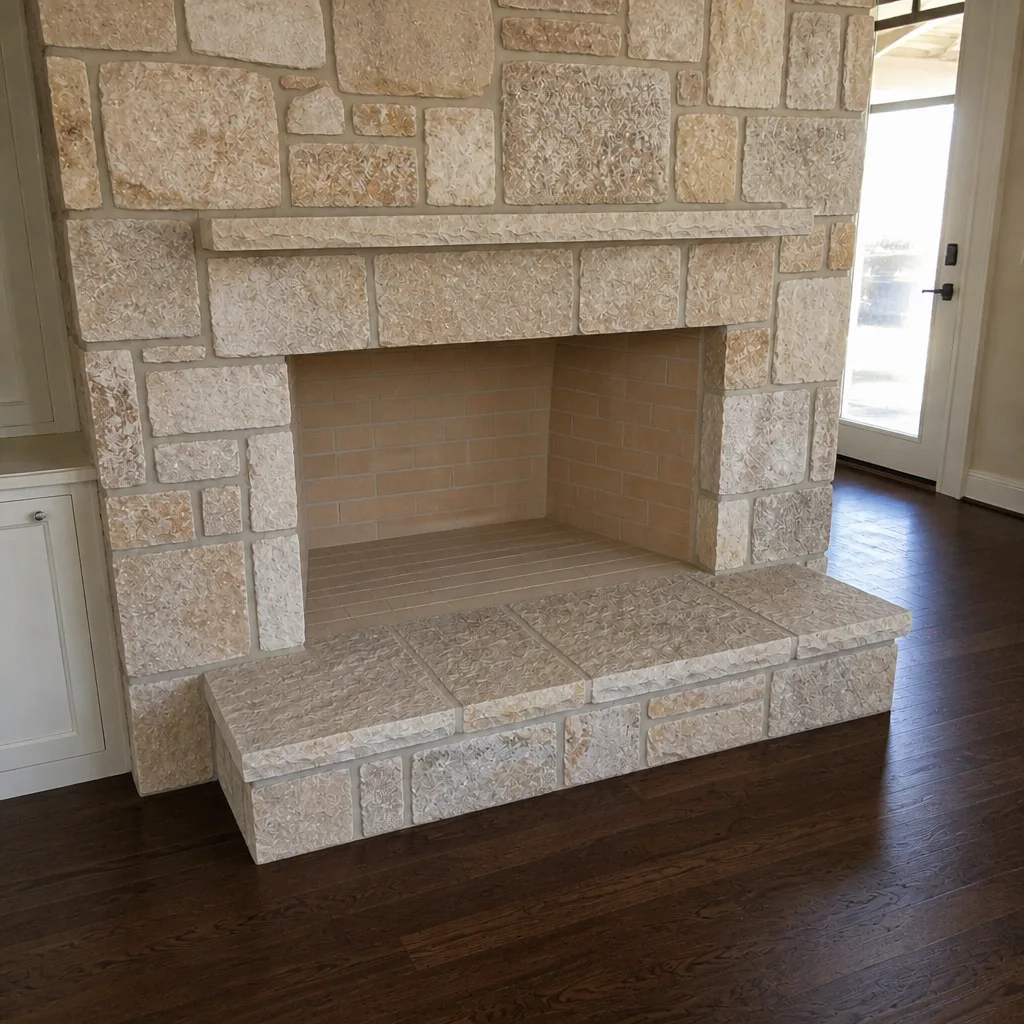
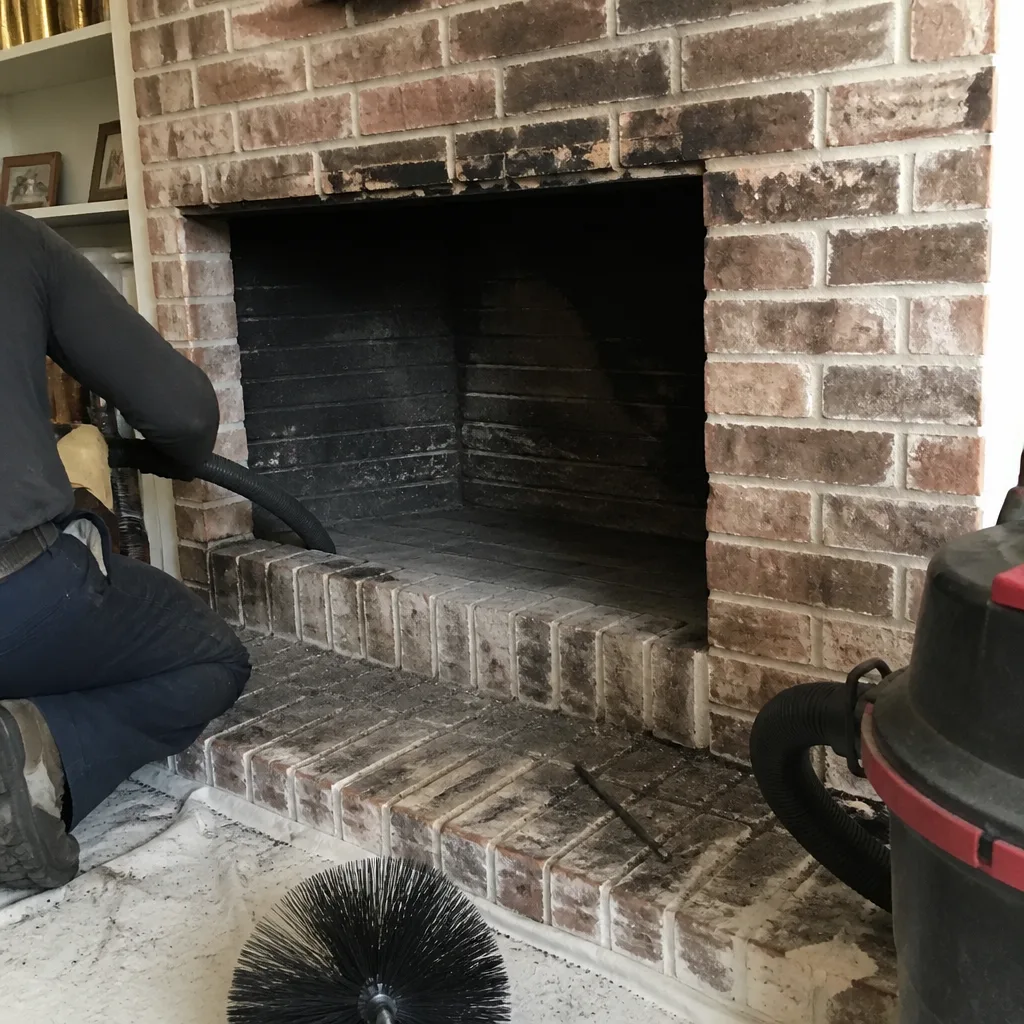
See the difference
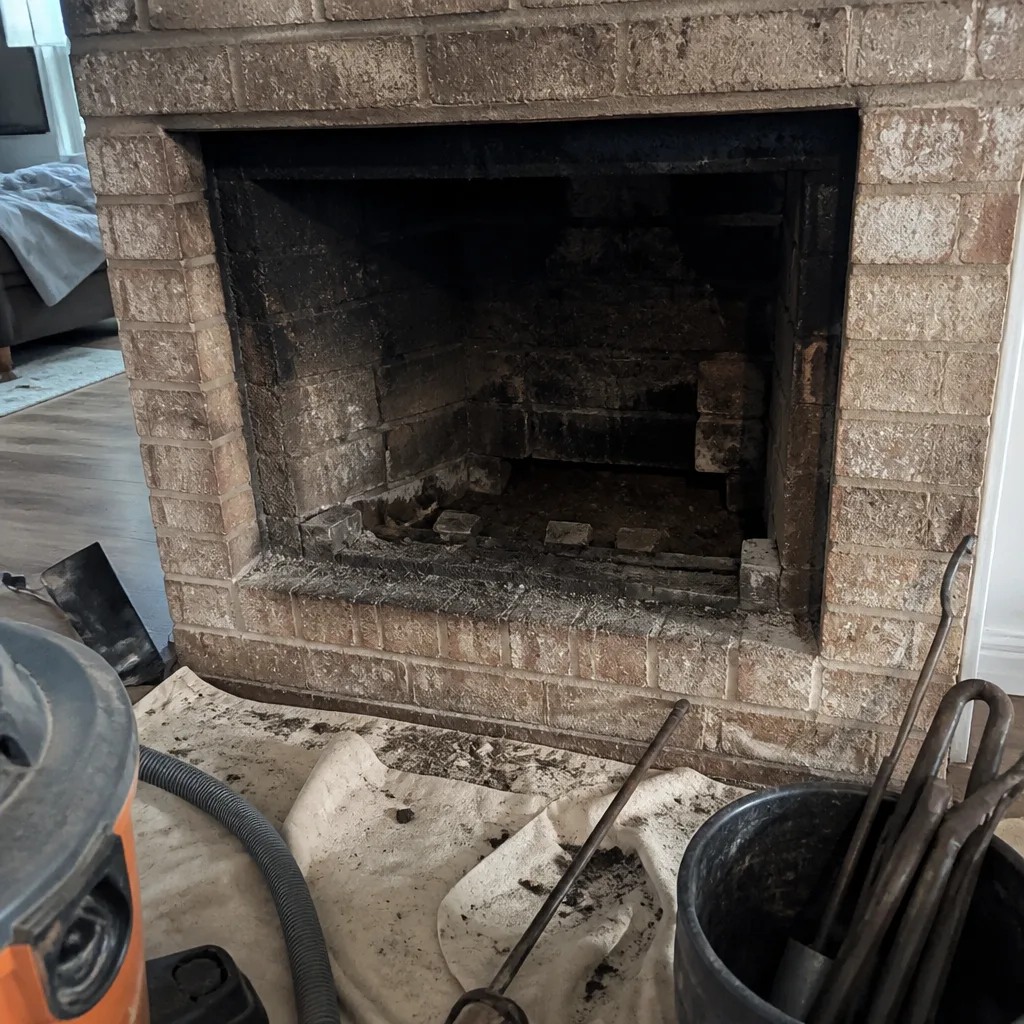 Before
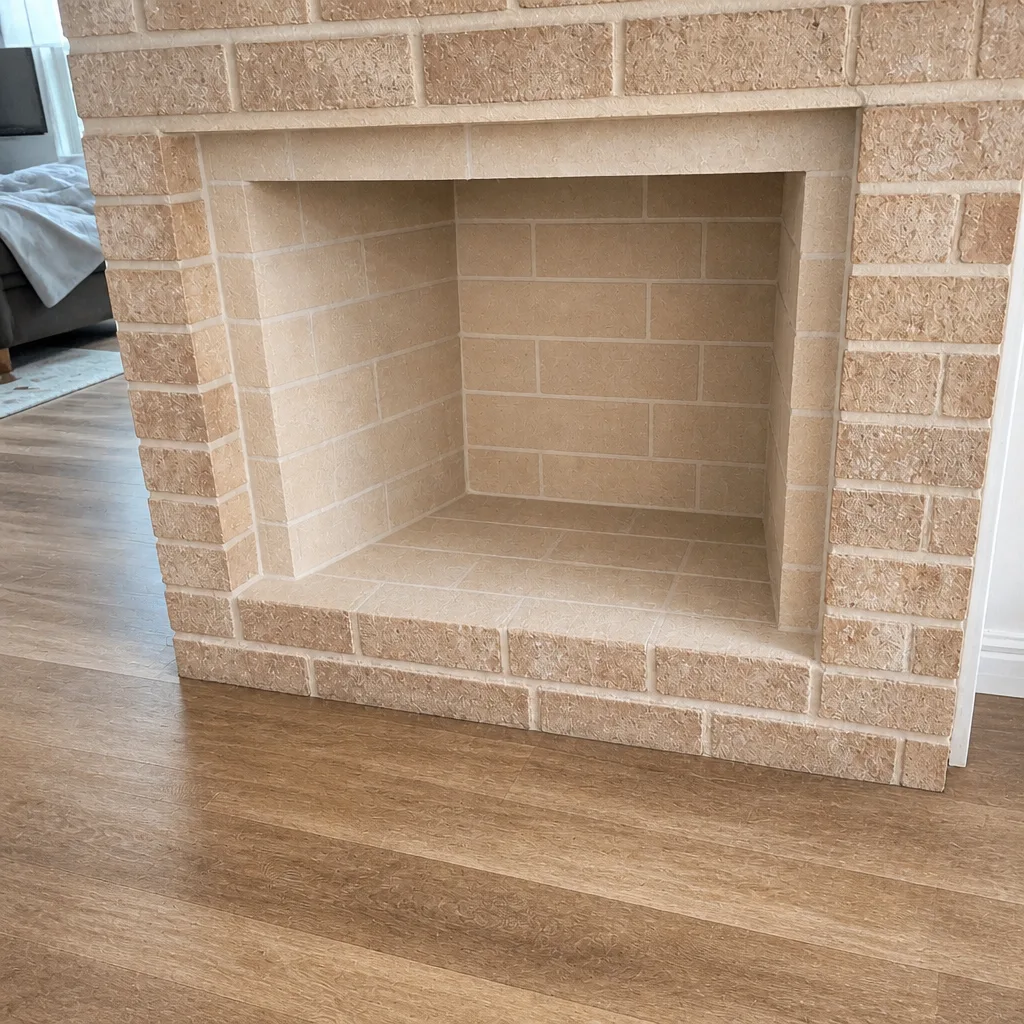 After
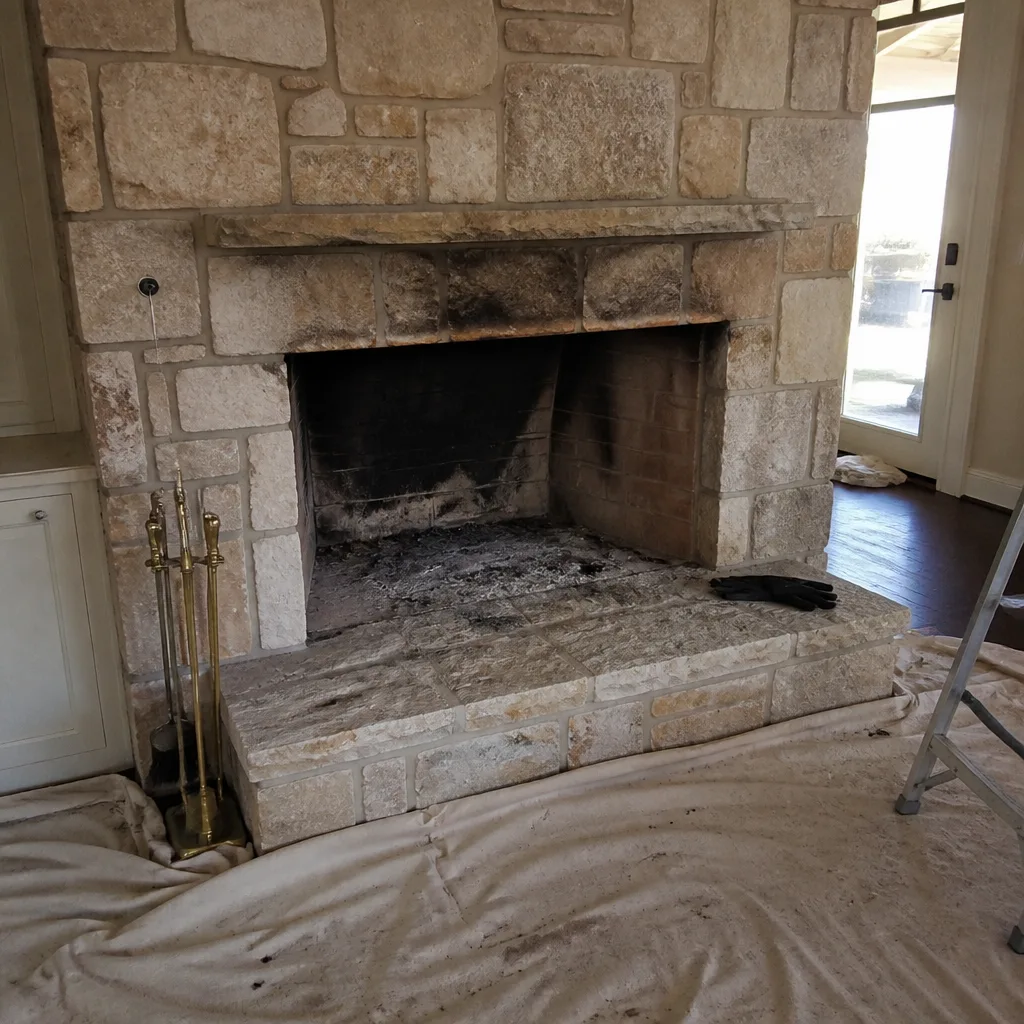 Before
 After
 Before
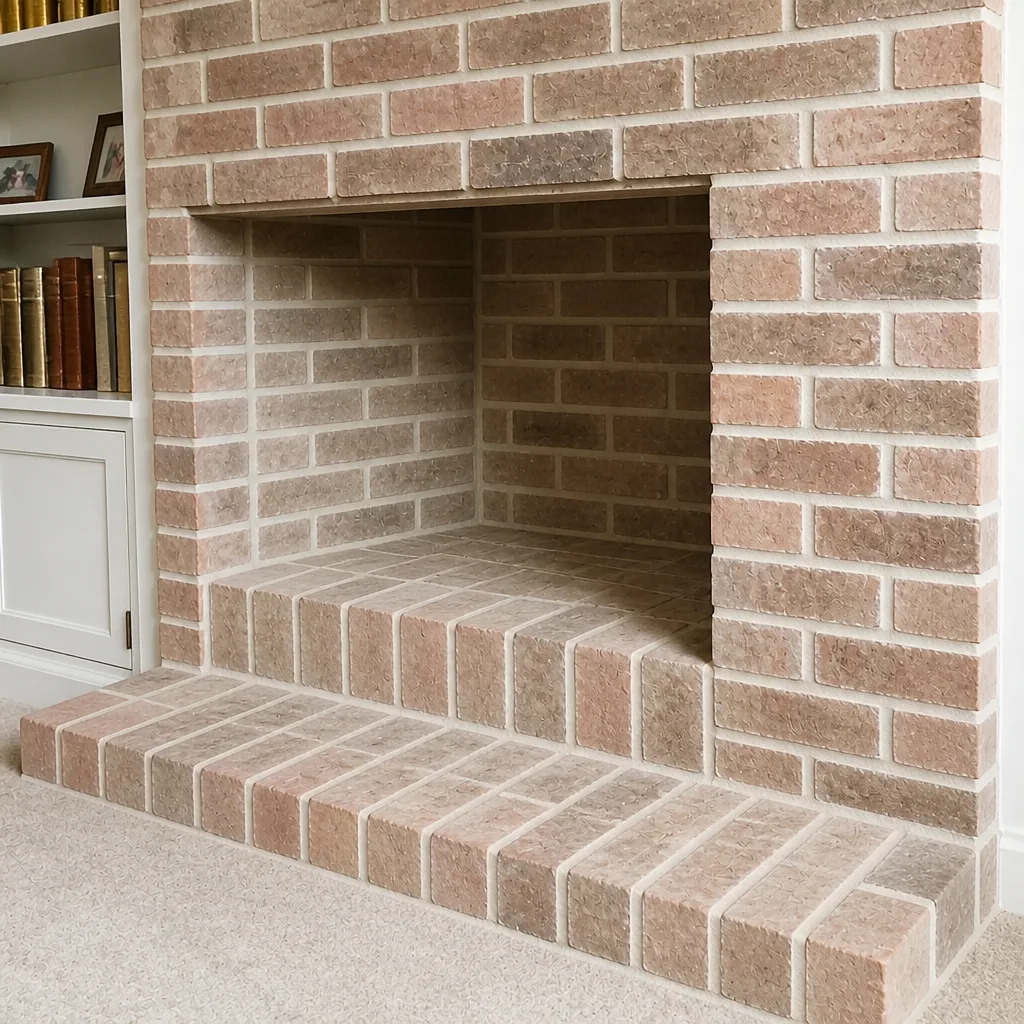 After
When to Call a Professional
Call a professional before the burn season, not after. If your fireplace hasn’t been checked in a year or more, if you’ve just bought a home in College Station and don’t know its history, if you’ve added a gas insert, or if your clothes take two dry cycles, it’s time. A strong smoke smell after the fire goes out, a cracked firebox, missing mortar on the stack, or a chimney fire of any size all deserve a prompt look. And if you’re seeing a driver for repair that another company diagnosed, get a second look. We’ll come out, inspect, show you what we find, and give you a straight answer. Saddle Chimney Sweep offers free estimates in College Station – call (844) 538-0969.
Nothing gets recommended without evidence you can see for yourself. If a repair can safely wait, we’ll tell you.
Frequently Asked Questions
Pricing is per job, and the written estimate sets the final price. A standard sweep of a wood-burning flue is one job, and gas vent cleaning or masonry repair are priced separately. Call (844) 538-0969 for a free, no-obligation estimate – the price is agreed before we book, and nothing is added on.
Once a year for most wood-burning chimneys, or after about a cord of wood, whichever comes first. In a mild climate where a fireplace gets lit a handful of times, the yearly check matters because there’s no regular use to reveal a problem. Gas appliance vents go on their own schedule, which your technician will confirm when they inspect. Call (844) 538-0969 to book a look.
Only if the inspection shows the existing liner is cracked, detached, or otherwise unable to contain heat and gases. A liner is a safety component, not an upgrade to sell. We use a camera to inspect it and show you the footage so you can decide with evidence, and if the liner is sound, we’ll say so. Call (844) 538-0969 if you want an honest read on your liner.
Creosote builds up over time and can ignite in a chimney fire, and a blocked or damaged flue can let smoke and carbon monoxide back into the house. The risk rises in a short-burn-season climate because there’s no regular use to signal the problem. A yearly inspection is the simplest way to catch it before the season. Call (844) 538-0969 to schedule one.
If you’ve just bought a home, changed fuel type, added an insert, or had a chimney fire, yes; otherwise a Level 1 is usually enough. Most College Station homeowners need a Level 1 during routine cleaning, and a Level 2 whenever the system has changed. Your technician can confirm which applies at the time of booking. Call (844) 538-0969 and we’ll explain what your situation calls for.
Yes, and it’s a good pairing with a chimney sweep since both are about keeping hot exhaust moving safely out of the house. It’s worth doing if your clothes take two cycles to dry or you see lint collected at the outside vent. Call (844) 538-0969 for a free estimate on both.
The Bottom Line
Chimney cleaning in College Station isn’t just about scrubbing a flue. It’s about the whole system, from firebox to smoke chamber to liner, cap and crown. The short, warm, humid year means low-use chimneys store creosote and masonry takes on moisture, which makes the annual inspection the important part. Gas vents need their own schedule, the dryer vent is part of the same fire-safety picture, and a cleaning should be evidence-led: you should see photos of what was found before anyone recommends a repair. Our technicians have up to 14 years of experience, and we can carry out the repair when it’s needed, with materials from suppliers like HeatShield and Copperfield, not hardware-store substitutes. Straightforward assessment, honest repair options, professional materials. Saddle Chimney Sweep handles the sweep, the repair, and the dryer vent so you’re dealing with one accountable specialist. Call (844) 538-0969 for a free estimate. We answer 24/7. Fast dispatch from 7am to 7pm, Sunday through Friday.
Written by the team at Saddle Chimney Sweep.