
Gelco Chimney Sweep in College Station: A Homeowner’s Guide
When a chimney company lists “Gelco” on your estimate, most homeowners do a quick search and come up empty. That’s because Gelco is a trade-supply product line, not a consumer brand you’ll find on a shelf. That distinction matters more than you might think. What a chimney company lists as their materials tells you whether they’re a brush-only sweep or a repair-capable specialist, and it’s one of the fastest ways to judge a quote before you sign anything. Below, we break down what Gelco products actually do inside a chimney system and what their presence on a work order means for your repair.
If you’d rather skip the research and get a straight answer about your own chimney, call (844) 538-0969. We answer 24/7, with fast dispatch from 7am to 7pm, Sunday through Friday.
What Is Gelco, and Why Does It Show Up on Chimney Estimates?
Gelco makes chimney liner systems, caps, and chase covers – the components that protect the inside and top of your chimney from weather and wear. These are trade-supply products, sold to working chimney technicians rather than directly to homeowners. That’s why you won’t find a consumer-facing website with shiny product photos and a checkout button.
When you see Gelco on a College Station estimate, it signals that the company sourcing your repair is buying from established chimney industry suppliers rather than the local hardware store. That matters because chimney components have to fit specific flue dimensions and withstand heat and moisture over a long service life. Off-the-shelf substitutes often don’t meet the same tolerances.
Gelco products typically cover three applications in Texas homes:
- Liner systems: the flexible or rigid pipe that carries exhaust up and out of the flue. A properly sized and installed liner protects the masonry from heat and corrosive byproducts.
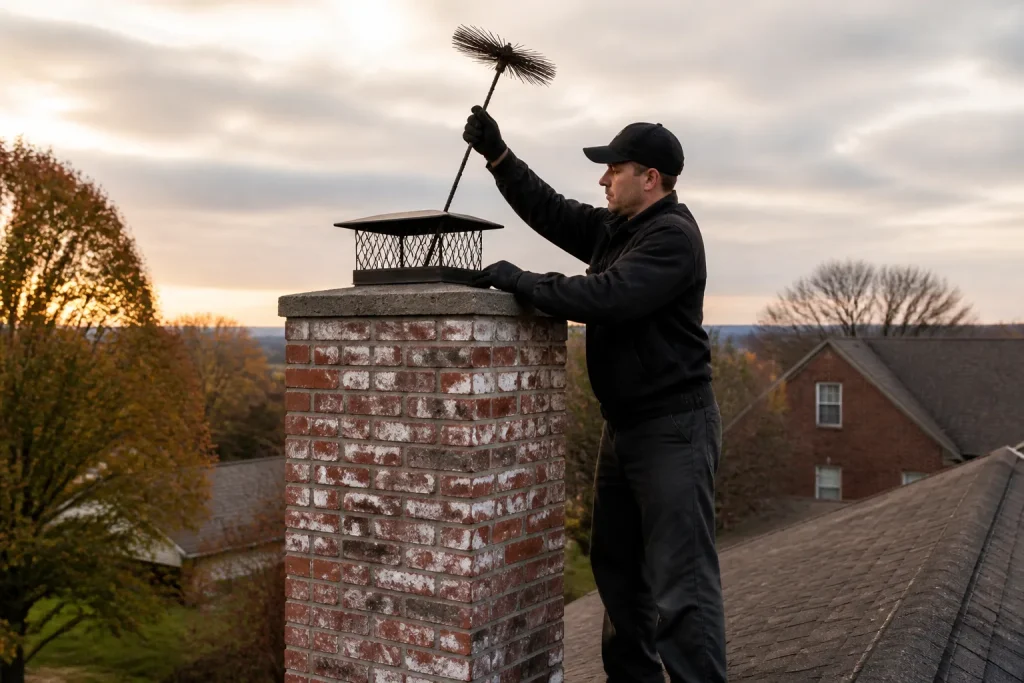
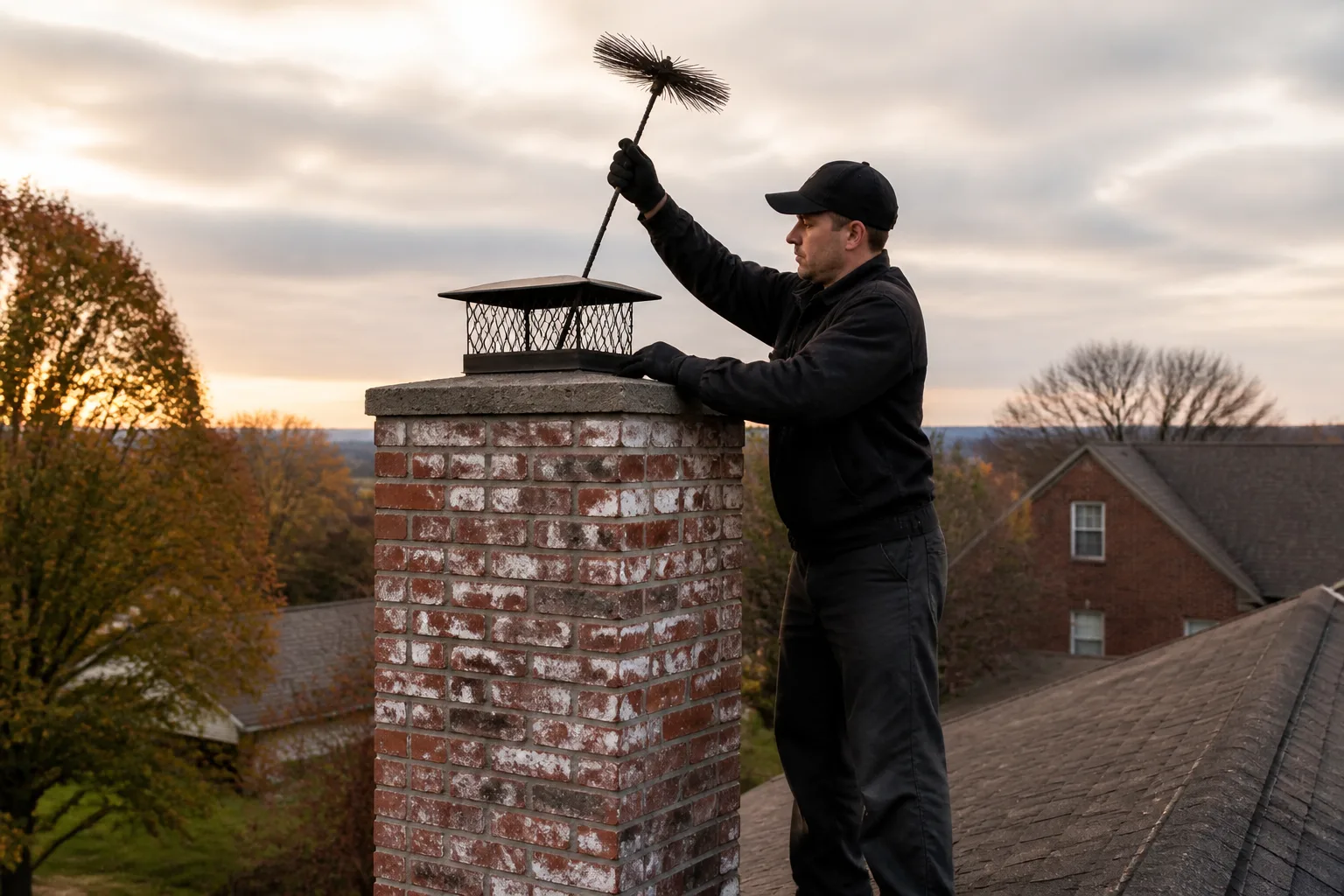
- Caps: the top-mounted cover that keeps rain, birds, and debris out of the flue while allowing exhaust to escape.
- Chase covers: the cap or shroud over the chimney chase, common on newer College Station construction where the chimney is framed rather than solid masonry.
Each of these plays a specific role in keeping your chimney safe and functional. A liner rated for the wrong fuel type or sized incorrectly can fail prematurely. A cap that doesn’t fit the flue opening lets water in and invites wildlife. These are the details a knowledgeable technician checks before quoting.
Why Trade-Supply Materials Beat Hardware-Store Chimney Products
Trade-supply chimney products differ from retail substitutes in three ways that matter for your repair: fit tolerance, material gauge, and warranty backing.
- Fit tolerance: Professional-grade components are manufactured to fit standard flue dimensions with tight tolerances. Retail products often require adapters or field modification that can compromise the seal.
- Material gauge: Thicker stainless steel and heavier-gauge construction resist heat cycling and corrosion longer. A thinner retail liner may pass inspection on day one but fail years sooner.
- Warranty backing: Manufacturer warranties on trade-supply products are typically more specific about installation requirements and service life. That’s a signal the product is expected to last.
In College Station’s mild winters and humid summers, chimney components face heat cycling from fireplace use, moisture from summer storms, and the occasional cold snap that drives more burn time than usual. A liner or cap that’s undersized or thin-walled tends to show wear faster in this climate than the manufacturer intended.
We stock and install professional-grade materials from Gelco, HeatShield, Olympia Chimney, and Famco – not hardware-store substitutes. That’s not a sales pitch. It’s the baseline for doing repair work that holds up. When we find a problem during a sweep, we can fix it with the right materials in the same service relationship. No second contractor needed.
How to Read a Chimney Repair Estimate and Spot Retail Substitutes
A trustworthy chimney estimate lists the specific products and brands being installed, not just a line item that says “liner” with a dollar figure. Here’s what to look for:
- Brand names: A professional estimate names the manufacturer – Gelco, HeatShield, Olympia Chimney, or Famco, for example. If the estimate only says “stainless liner” with no brand, ask which one and why.
- Specifications: A good estimate includes the liner diameter, length, and material gauge. These details show the technician measured your flue rather than guessing.
- Installation method: Does the estimate note whether the liner is insulated? Is the cap included? Are chase cover fasteners specified? Vague descriptions are a red flag.
- Warranty terms: Professional-grade products carry manufacturer warranties. Ask what the warranty covers and what conditions void it.
- Scope of work: Does the estimate include a camera inspection before and after? A repair-capable specialist documents what they found and what they changed.
If a College Station chimney company hands you a one-line estimate with no product names and no specifications, that’s your cue to ask questions. The materials listed on the work order are one of the clearest signals of whether the company knows their trade or is simply passing through.
Questions to Ask Any Chimney Company About Their Materials
The right questions separate a repair-capable specialist from a brush-only sweep. Ask these before you book:
- “Which brands do you install, and why those?” A company that works with professional-grade suppliers will name them without hesitation and explain the reasoning.
- “Do you carry repair materials, or do you refer that work out?” If they only sweep and refer repairs to someone else, you’ll be managing two contractors and two sets of expectations.
- “Can I see the camera inspection footage before you recommend a repair?” A specialist will show you what they found so you can see the problem yourself.
- “What’s the warranty on the products you install?” Trade-supply products carry manufacturer warranties. Retail substitutes often don’t.
- “How do you handle a problem you find mid-sweep?” A repair-capable company can diagnose and resolve in the same visit. A sweep-only operation hands you a business card and sends you elsewhere.
These questions work on any company in College Station, and the answers tell you a lot. A technician who knows their materials will talk about fit, gauge, and application without reaching for a brochure.
What a Properly Installed Gelco Component Looks Like on Inspection
When a Gelco liner, cap, or chase cover is installed correctly, it should look clean and deliberate. Here’s what a trained eye checks:
- Liner: The liner should sit flush at the top plate with no gaps, kinks, or sharp bends. Insulation should be intact. The connection at the appliance collar should be sealed and secure.
- Cap: The cap should fit the flue opening snugly with no daylight visible around the edges. Fasteners should be stainless and fully seated. The spark screen should be intact and clear.
- Chase cover: The cover should sit flat with no ponding areas. Seams and penetrations should be sealed. Fasteners should be uniform and not stripped.
In College Station’s climate, a properly installed Gelco component should reasonably last many years with routine maintenance. The liner’s service life depends on fuel type and burn frequency. Caps and chase covers generally hold up well but should be checked annually for sealant wear and fastener condition. Summer heat and humidity are harder on sealants than cold is on metal here, so resealing every few years is normal.
If an inspection turns up a Gelco component that’s failing early, the cause is usually installation error or a mismatch between the product and the flue. That’s why we document what we find with a camera inspection and photo report before recommending anything. Nothing gets replaced without evidence you can see for yourself.
When to Call a Pro (and When It Can Wait)
Some chimney issues are urgent. Others can safely wait until the next seasonal sweep. Here’s how we sort them:
- Call now: a damaged or disconnected liner, a cracked flue tile visible on camera, a cap that’s blown off and left the flue open, or signs of a chimney fire. These affect safety directly, and a professional should assess before you burn again.
- Book a seasonal sweep: annual cleaning and inspection, a cap that’s weathered but intact, or a chase cover with sealant that needs refreshing before the burning season.
- Can wait with a plan: cosmetic wear on a cap, a liner approaching the end of its service life but still intact, or a minor sealant issue on a chase cover. These need a plan, not a panic repair.
We’d rather tell you something can safely wait than sell you work you don’t need. That’s the whole reason we include a camera inspection and photo report: so you can verify the recommendation yourself. Our technicians have up to 14 years of experience, and they’ve seen enough to know the difference between urgent and routine.
A chimney fire and carbon monoxide are real risks when a liner is compromised or a flue is blocked. That’s why we don’t minimize a genuine hazard, and why we don’t manufacture one to close a sale. If you’re not sure which category your chimney falls into, call (844) 538-0969. Estimates are free, and we’ll tell you plainly what we find.
The Bottom Line
Gelco is one of the professional-grade product lines a qualified chimney technician brings to a job, not a brand you shop for directly. Its presence on a work order tells you the company sources from established chimney industry suppliers and is set up to repair, not just sweep. The same goes for HeatShield, Olympia Chimney, and Famco – these are the materials that hold up over time in College Station’s climate.
If you’re comparing chimney quotes, ask about brands, specifications, warranties, and whether the company can handle repairs in the same visit. The answers will separate a specialist from a sweep-only operation faster than any review score.
If you’re in College Station and need help, Saddle Chimney Sweep offers free estimates – call (844) 538-0969. We answer 24/7, with fast dispatch from 7am to 7pm, Sunday through Friday.
Frequently Asked Questions
Gelco is a trade-supply brand of chimney liner systems, caps, and chase covers. You don’t buy it directly – your chimney technician does. Whether your chimney needs a Gelco component depends on what an inspection finds. If your liner is damaged or your cap is missing, a professional-grade replacement is the right fix. Call (844) 538-0969 for a free estimate.
A professional estimate names the manufacturer and lists specifications like liner diameter, length, and material gauge. Retail substitutes tend to appear on vague, one-line estimates with no brand and no specs. If you see a brand name like Gelco, HeatShield, Olympia Chimney, or Famco on the quote, that’s a good sign. Call (844) 538-0969 and we’ll walk you through any estimate you’ve received.
A properly installed Gelco liner, cap, or chase cover should reasonably last many years with routine maintenance. Service life depends on fuel type, burn frequency, and installation quality. College Station’s summer humidity is harder on sealants than cold is on metal, so periodic resealing is normal. Call (844) 538-0969 to schedule an inspection.
We can repair your chimney during a sweep. Because we’re a repair-capable specialist rather than a brush-only operation, we diagnose and resolve problems in the same service relationship. When we find an issue with your liner, cap, or chase cover, we can fix it with professional-grade materials. Call (844) 538-0969 for a free estimate.
Written by the team at Saddle Chimney Sweep.
Need Chimney Cleaning Help?
Call Saddle Chimney Sweep - licensed & insured, here with fast help in College Station.
(844) 538-0969